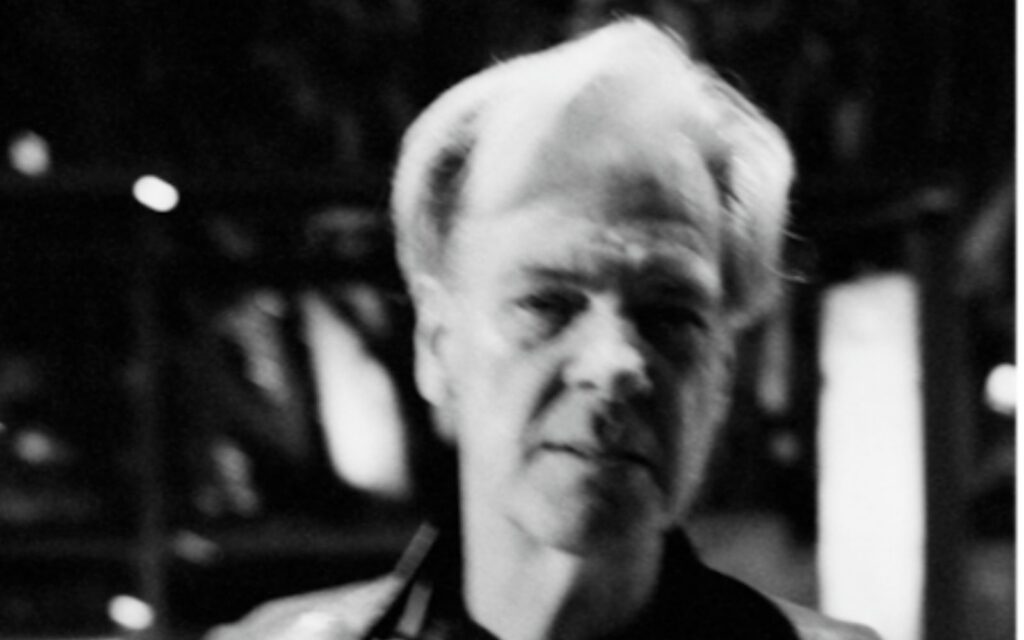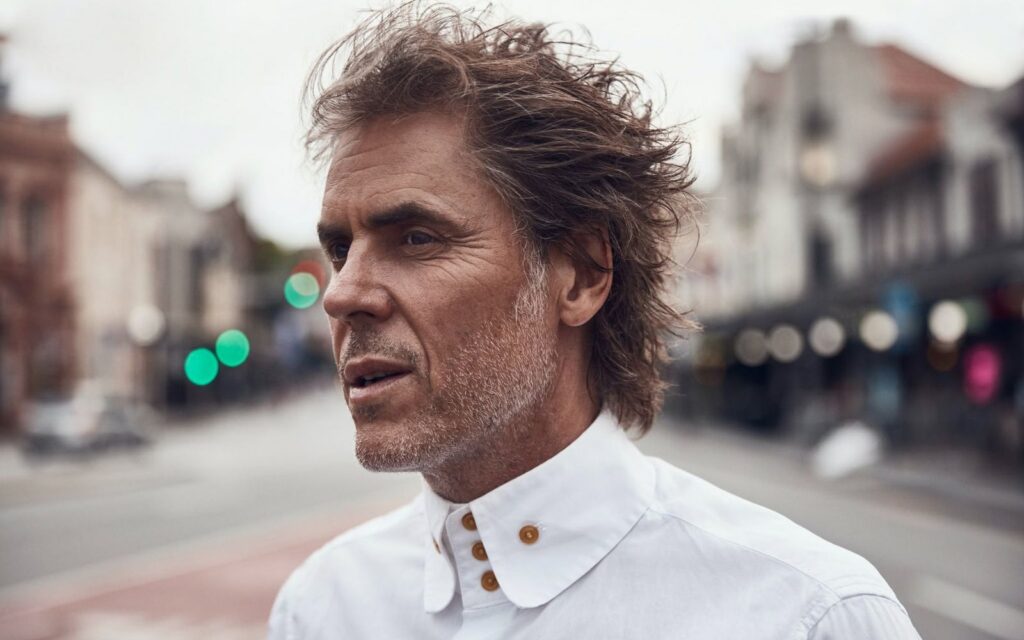
“I might not have been a prodigy,” Adebimpe laughs, thinking back to his early days growing up in Hampton near Pittsburgh, PA. “But I’ve been told that I was imaginative, almost to a fault. If anything seemed in the tiniest bit boring, then it just wasn’t going to happen. I actually spent a lot of time not talking. I could just sit there and draw all day. I remember as soon as I realised I could disappear that way, it was all I wanted to do.”
Stumbling across something that forever alters your perception of the world is, arguably, one of the key distinctions between great art and everyday entertainment. Adebimpe’s influences are many and varied, and discussing them takes some time.
“As far as thinking of influences who are like, ‘You can do this, you can find a space for yourself by creating the things that you want to see in the world, the things you want to hear,’ a lot of who you hear as a teenager is going to be important. For me it was a lot of punk rock. Bad Brains, Minor Threat. Bands that made me realise you don’t have to be quote unquote ‘cool’, and in fact it’s probably going to turn out to be a huge asset if you’re not. You just have to make the things you need to make.”
Adebimpe has recently packed up and shifted coastlines, from New York to LA. Given he has called NYC home for 22 years, it’s no stretch to suppose the city has played a vital role in TV On The Radio’s development, and it’s likely we can anticipate LA having a similar effect. One of the procrastinating upsides of moving, of course, is the chance to pore over old memories stuffed away in forgotten corners.
“I opened one box and here are all these four-tracks,” Adebimpe says. “I ended up finding demos for TV On The Radio songs that sound so different from the way they ended up, all these songs I’d written and completely forgotten about. In one way it feels like, it’s strange to go back and not recognise that person, but in another way it’s also really nice in some fashion to be able to see a lot of the steps that brought you where you are now. And on some level, also you realise that in another ten years you’re not going to know anything about this person here today at all, either.”
It leads us, somewhat inevitably, to talk of legacy; how Adebimpe’s past self has shaped the man he is today, and what kind of memory of him might be assembled from the work once he has gone.
“If you can keep going,” he says, “if you can keep going with a creative endeavour, it’s one of the most terrifying things, because you can pick up a thing that you did a long time ago, and just stare at it … I mean terrifying because sometimes you’re embarrassed by it, but it can also be terrifying because you don’t recognise it at all. You like it, but you don’t know it. You see your handwriting, you hear your voice, but you have no idea who that person was. Not remembering them at all. But I think that can be a great feeling. You’re making a time capsule for your future self.”
BY ADAM NORRIS