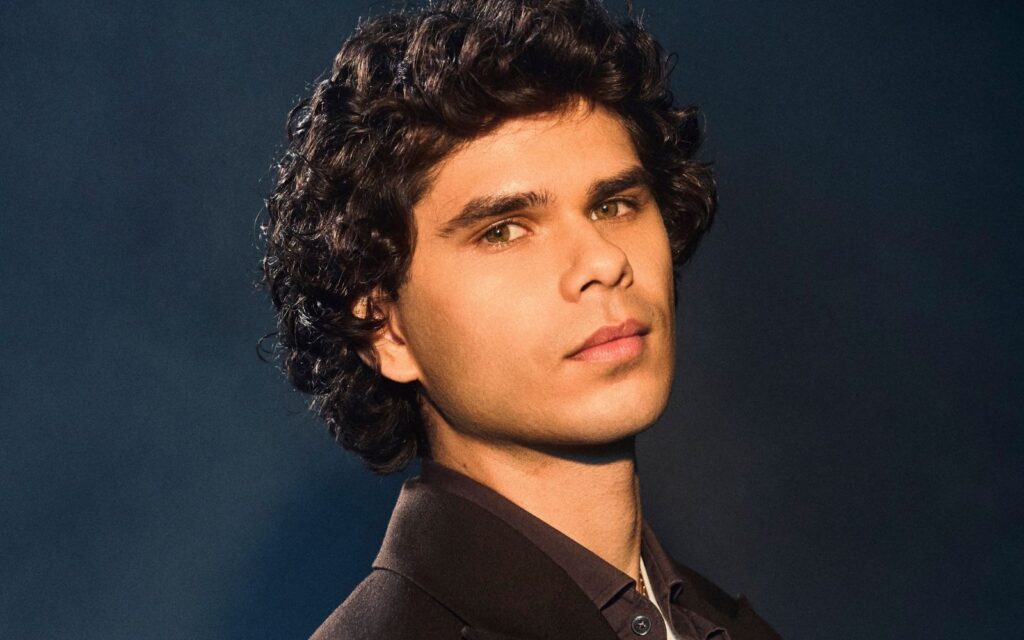
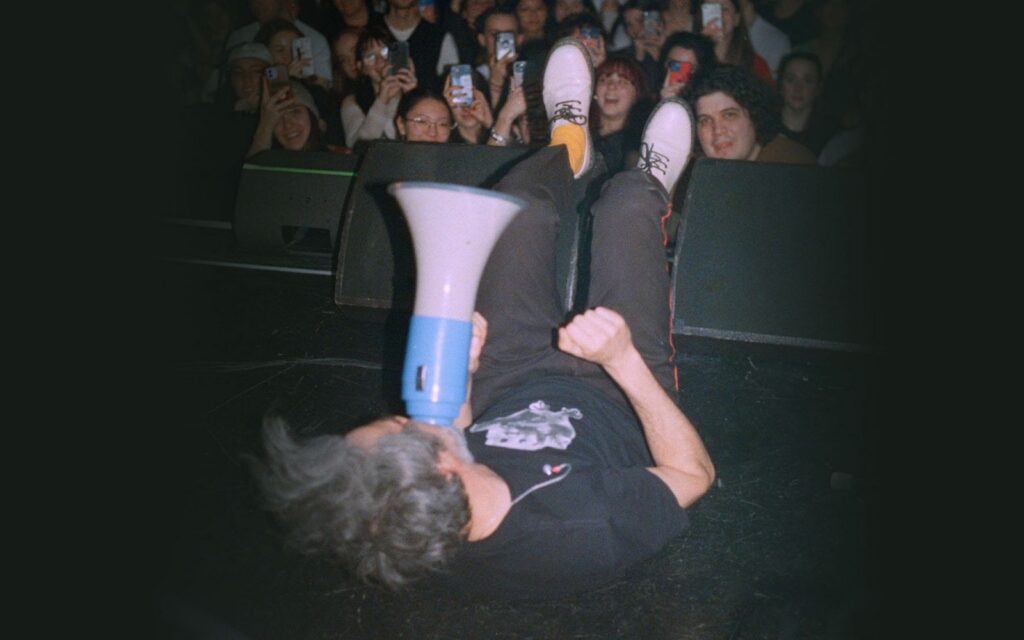
“Everybody that plays there, or goes there to listen to music, becomes a continuation,” says Martini. “It’s like going back 100 years to when someone came to the town and played you a song. The same thing happens at Bennetts, where you’ve got a jazz quartet playing some music – and you’ve always got 30 per cent of the crowd as musicians – it’s an ongoing conversation.”
It’s a conversation that has included a multitude of viewpoints, styles, innovations and explorations since Bennetts Lane’s inception in 1992. Chick Corea, Herbie Hancock, Wynton Marsalis and Prince have all performed at the club, alongside local legends Allan Browne, James Sherlock and Jex Saarelaht. As Martini states, all of these performances have contributed to the long running tapestry that enriches every Bennetts Lane gig.
“If you believe that space has an energy, a brain, or a memory, then every note that has ever been played in that room is still sitting in that room,” he says. “Every time you get on stage, there is a feeling of continuum. There is a contribution to the world that has been made in that room.” In this way, the room itself becomes an extra member of every band that takes to the Bennetts Lane stage. Martini agrees. “Venues that have had a lot of music in them, the spaces change what you play because of what has gone on before. That’s the beautiful thing about that venue.”
Sadly, Bennetts Lane will close before the month’s end. Yet, in spite of the venue’s pulsing energy, Martini accepts that it cannot exist forever. Like the countless improvised solos it has housed, the ephemeral nature is part of what makes it inspiring. “If you’re in the audience, when a song is finished, it’s finished,” he says. “You just have a memory of it, or you just have a feeling. That’s really good. I was thinking about that on a larger scale with the club, and I have this theory that if it could be here forever, no one would go to it. If we knew we were going to live forever, I doubt I’d even tell a story, pick up an instrument or do anything with my life. The thing that our body knows is that something is going to finish at some point; we’re going to die. So every time you go into that club, you know you’re going into a place that is like no other and that isn’t going to be there forever. That makes it even more special.”
For this reason, Martini’s hosting a celebratory gig at Bennetts Lane next Sunday, featuring kindred spirits and label-mates on his own Pound Records. Proceedings will kick off with The Largerphones joining the dots between traditional jazz history and contemporary Australian life. “It’s this ongoing tradition of Australians hearing American trad or New Orleans music and making it their own,” Martini says. “You can hear the Australian sound in that music.”
For the last 22 years, Bennetts Lane has been a club like no other. It will be missed. However, Martini isn’t worried about the future of Melbourne’s jazz culture. “Music will always find the place it needs to be,” he says. “The death of something is beautiful. It all moves somewhere else and something else will grow from it.”
BY JAMES DI FABRIZIO