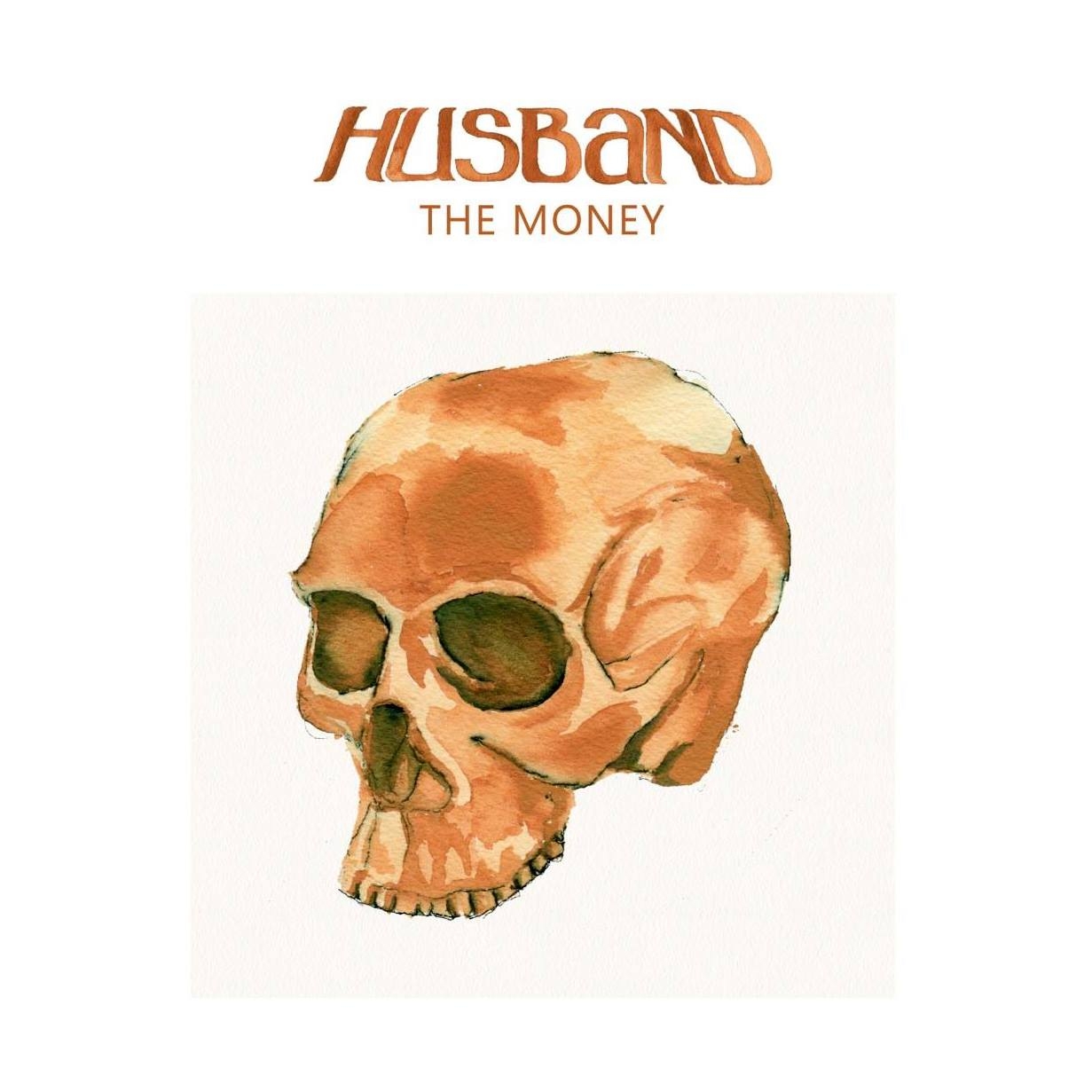
Michael Paolino is Perth-based singer/songwriter Husband, and on the cusp of release is his debut album, The Money. At ten tracks long, the album is swimming with echoes of country/blues legend, Johnny Cash, and one of his many descendants, American singer/songwriter Willy Mason.
Husband has also been likened to The National, labelled “a much more southern version” of the band by WSYC radio in Pennsylvania, and this parallel is particularly clear in the title track and Ordinary, which was the recipient of the Best Rock Song prize at the Western Australian Music (WAM) Awards in 2012. These tracks are patient, weighted, and deeply moving, in the vein of a Matt Berninger classic such as Terrible Love, or Fake Empire.
Produced in LA with Rick Parker, who’s well known for his work with Black Rebel Motorcycle Club, Husband’s swelling sound quickly rouses imagery of both American and Australian open roads, swirling dust, and vast, desolate landscapes.
The songs are clearly loaded with honesty and raw emotion, and Paolino said the album was written over a two-year period when he was coming to terms with the idea of becoming – you guessed it – a husband. Each song seems to speak to the challenge of embarking on this new phase of life, and the internal conflicts that often plague the mind and heart in times of change.
To this point, themes of love, family and even insecurity are addressed throughout The Money. In Invitation, the line, “When did you get home? And who did you come home with?” is repeated, and questions of this nature are raised again in the penultimate track, Coming Home.This time, the apprehensive sentiment is captured by the lines “I was scared to take more than a step,” and, “No baby, you’re not coming with me now…no baby, you’re not coming home with me.”
It’s an album in which no track should be skipped over, as each one is immensely powerful, yet delicate, and unitedly they tell one helluva tale.
BY IZZY TOLHURST