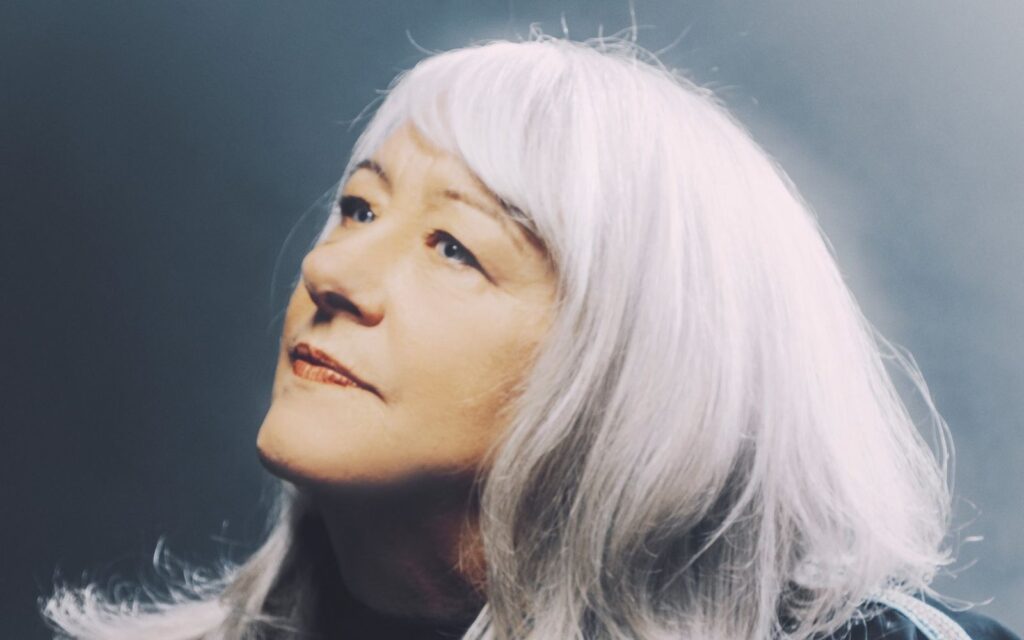
Emma Louise has peeled back the thin veneer between herself and her audience on sophomore album, Supercry, her heart thumping off her sleeve in what can only be dubbed her most authentic record yet. The Brisbane artist takes listeners down a woman-made rabbit hole of hauntingly beautiful vocals and electro-pop melodies.
Produced with absolute precision, Supercry’s delicately constructed soundscapes are as captivating as the exposed psychological strain of broken relationships. The eleven-track record reflects on where things took a turn for the worse. Drenched in nostalgia, Louise’s vulnerable vocal tone is harrowing, yet sprinkled with hope through uplifting key melodies. Supercry fuses the freedom of indie-pop with sincere and incredibly relatable undertones.
Diving into All We Ask Is Time will have you saturated in melodic magic. An ethereal performance of “two hands tangled under pillows”, Louise outdoes herself on her opening track. Evocative of what you’ll hear throughout the record, it hands you a beautiful melody backed by a feather-light vocal. Talk Baby Talk backs it up with a catchy clap.
West End Kids pulls on adolescent heartstrings, tangling the question “will it stay the same?” with driving percussion and an echoed chorus. Touching on the ease of young love, the song reminds us that it’s not easy to remain in an ideal moment for too long. Everything Will Be Fine places an emphasis on electronic riffs, deep-rooted keystrokes and the brass nature of a bass guitar.
Inspiring the records artwork must be Colours. “I want to drip in colour/ Baby don’t paint me beige/ My heart is a wildfire” brings us back to the thick haze of Jungle. An effortless ability to slip natural imagery into her music, Emma Louise’s symbolism thrives here. Shut The Door is as devastating as a last waltz with a nearing end. Hoping for reassurance, the singer-songwriter shares the heartbreak of an out-of-reach happy ending.
Like all great love stories, the closing of Supercry hurts most. I Thought I Was A Ship circles around infidelity and disbelief. Twinkling piano chords trickle over Louise’s soulful, gliding vocal. Precise and particular, each element accentuates her performance, punctured by heartache. Asking “but how does it stop? Swish to turn it off”, Supercry sees Louise bare her soul as if she were at a poetry showcase with her first love sitting in the audience.
BY PHOEBE ROBERTSON