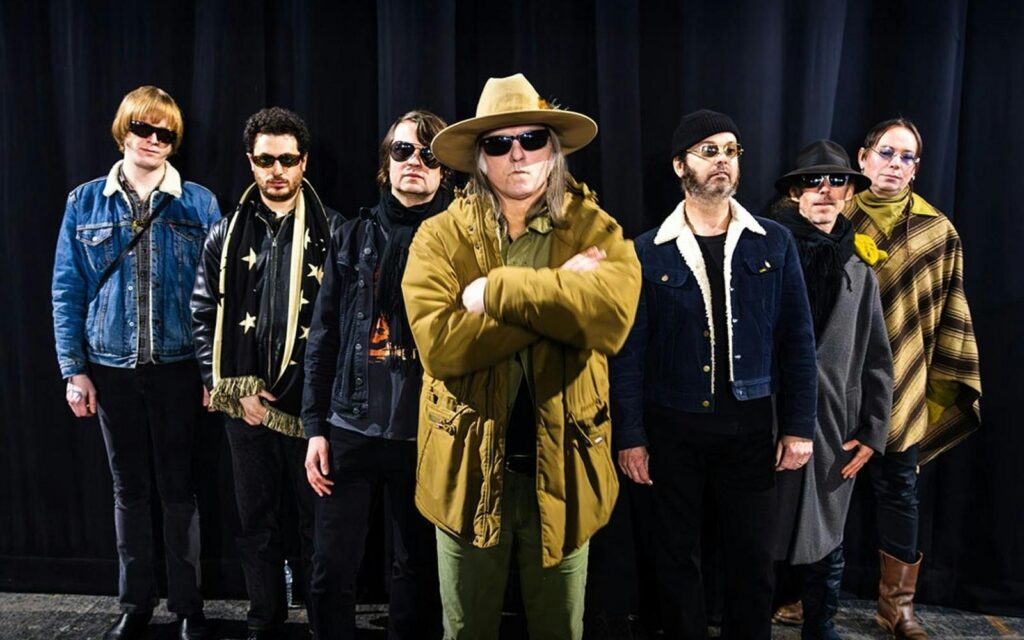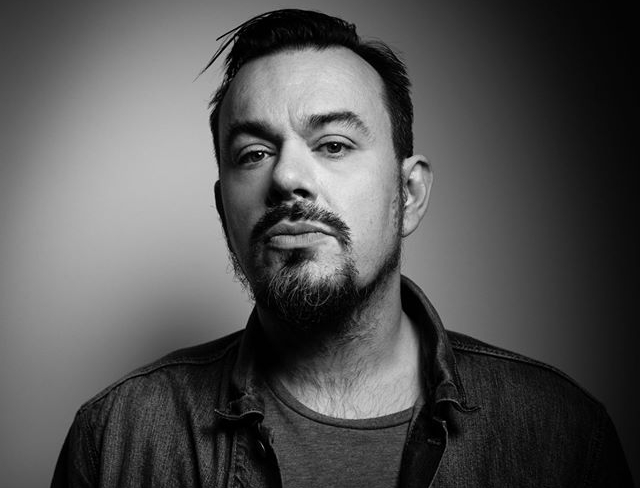
As both the founding member of New Zealand rock band Shihad and trans-Tasman artist development group Signal Agency, he understands what it takes to have a successful long-term career as an artist. Larkin will be sharing that insight in a workshop titled Breakups, Breakdowns and Breakthroughs – a Survival Guide for the Modern Music Industry at the Face The Music conference this November.
“I began writing a book about what’s needed to have a career that lasts for a substantial amount of time in the music industry,” says Larkin. “Instead of revolving around a unicorn event or a lotto event where someone becomes massively successful and then rides that wave, this was much more about how someone can live a musical lifestyle. How can someone be a musician and round out their life so they can participate as a musician for the rest of their life?”
Through the early years of Shihad, Larkin also managed the band and their touring schedule, and realised that there was next to no support to help artists navigate the musical lifestyle. “It led me to start talking to people,” says Larkin. “How do you do this? How do you manage that? What are your building blocks for realistic, sustainable careers? I started putting all these together.”
Larkin quickly learned that mental health and its maintenance is paramount for artists seeking a long-term career in the industry. “There’s a different mindset, a different way of operating mentally that artists tend to have. It means that they’re more sensitive, more intuitively insightful in multiple situations, but the capacity for them to be overwhelmed by things is also much higher. You take people who are predisposed to coping with the kind of mental and emotional input that is required to create great art but who must also sustain that within a business environment, there needs to be a series of skills and coping mechanisms they need to have.
“There becomes a traditional story where the artist is this self-destructive, iconic figure. A lot of artists feel that this is something to live up to and a lot of corners of the industry also support the fostering of that kind of mentality. The bottom line is we’ve seen disasters out of that. We’ve lost lives at a rate that where if any other industry had mental health and suicide outcomes like it we would see a national enquiry.”
Larkin knows firsthand the toll a long career in the music industry can have on an individual. “I come from a band where we’ve been through a lot. One of our team died of an overdose. We’ve had divorces, we’ve had nervous breakdowns, we’ve had albums which were outright failures and some which were outright successes. Living up to the rock’n’roll ideal, I think it’s the equivalent of seeing masculinity as something whereby you express that by drinking 12 beers and driving your family home. There are still a lot of people that want to buy into that. It’s unsustainable. You have people that can’t cope with life.”
Larkin wants to help people enter the music industry with a realistic understanding of what it means to live as an artist. “When you want to become a career musician, you are selling your art. A lot of people have a massive talent for generating the art, but not necessarily for selling it. If they choose to ignore the skills that are required to sell that art then they are not really participating in the music industry and they shouldn’t expect positive career outcomes for themselves. A lot of people are really good at making music and they’re not interested in that – and that’s fine. But you’ve got to make the decision.”
By Josh Fergeus