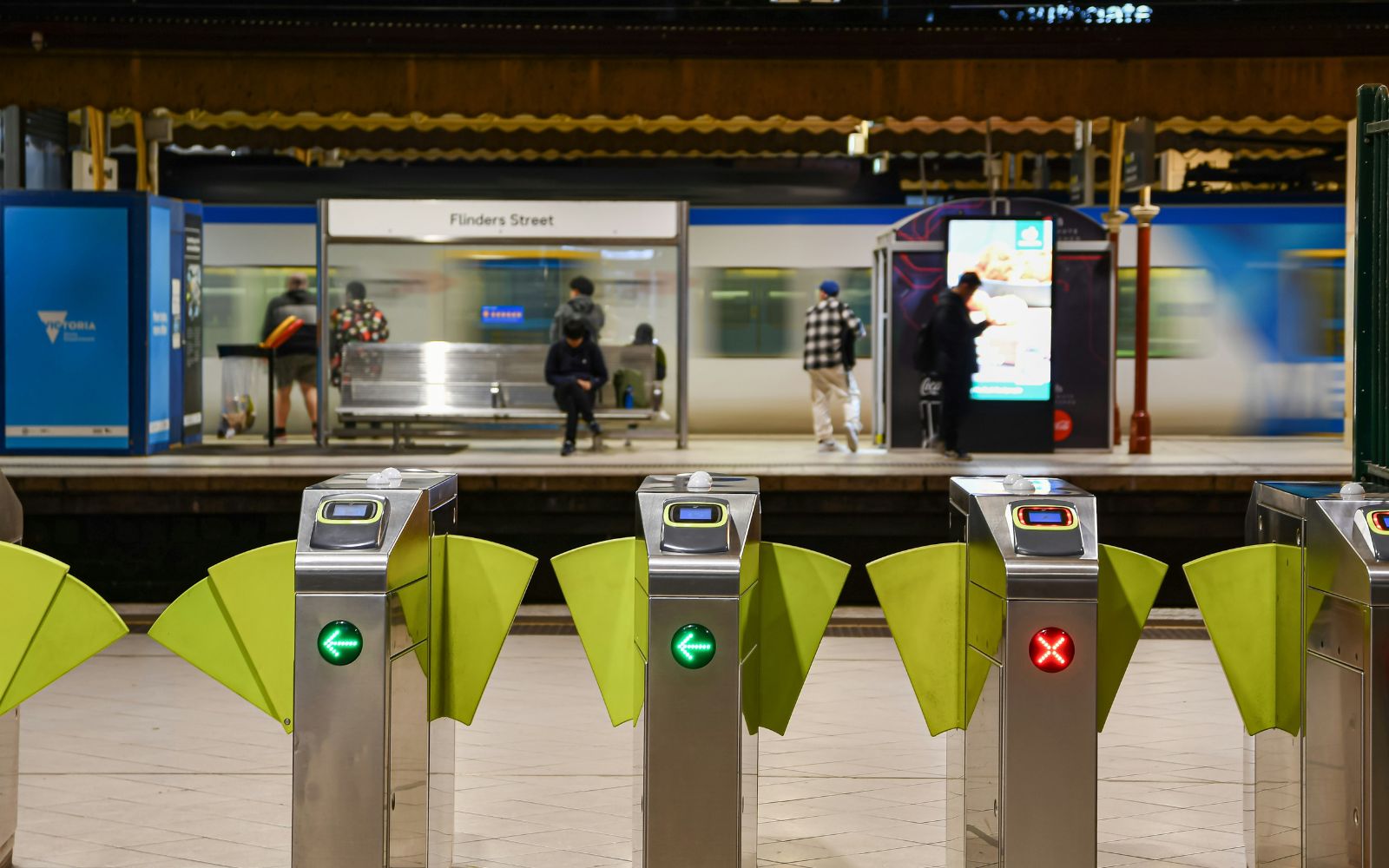
The paper ticket's days are numbered and myki may be next, with tap and go readers coming to every regional train station in Victoria.
Myki tap and go – the new readers designed to facilitate payments from cards and phones as well as myki cards – is expanding to every regional train station in Victoria, with new readers arriving at V/Line stops.
The state government has confirmed 108 new myki readers will be installed across 37 V/Line stations that still rely on a paper ticket or eTicket. The readers switch on later this year. Once they are live, passengers at stations including Bairnsdale, Wangaratta, Albury, Shepparton, Echuca, Swan Hill, Maryborough, Ararat and Warrnambool will be able to tap on with a bank card, phone or smartwatch. Or, of course, a myki.
Where myki tap and go is coming
Stations named in the rollout include:
- Bairnsdale
- Wangaratta
- Albury
- Shepparton
- Echuca
- Swan Hill
- Maryborough
- Ararat
- Warrnambool
How V/Line ticketing has worked until now

Contactless is not entirely new to V/Line. For years, tap-on travel has covered the commuter-belt services inside the myki zone, on lines running out to Seymour, Ballarat, Geelong, Bendigo and the Latrobe Valley, where passengers tap on and off just like metropolitan commuters.
The catch has always been distance. Stops beyond that zone – the long-distance stations named above – sat outside the network, so travellers there bought paper tickets and, more recently, eTickets loaded onto a phone or printed at home.
Useful as that was, it kept the state’s furthest lines a step apart from the simple tap on everyone closer to Melbourne takes for granted. That is the divide the new readers close, bringing the long-distance stations onto the same system as the rest of the network.
For regional communities, the shift is practical. At stations such as Maryborough and Ararat – both in the Ripon electorate held by Martha Haylett – travellers have watched contactless spread across Melbourne while their own platforms stayed on paper.
How the rollout reached this point
The groundwork has been laid over several years. New readers, screens and gates have been progressively installed across the metropolitan and V/Line network since late 2023, at first accepting myki only.
To shape the design, Transport Victoria ran a six-month trial of tap and go on local buses in Wangaratta, wrapping up in May 2025. Feedback from that trial fed into the wider system before its final round of testing.
Contactless then switched on in stages across the metropolitan rail network, moving line by line rather than all at once, after the trial that first went live on metropolitan trains. By the time the readers reach the 37 remaining V/Line stations, the hardware will already be familiar from services closer to the city.
Buses next, then the full switch
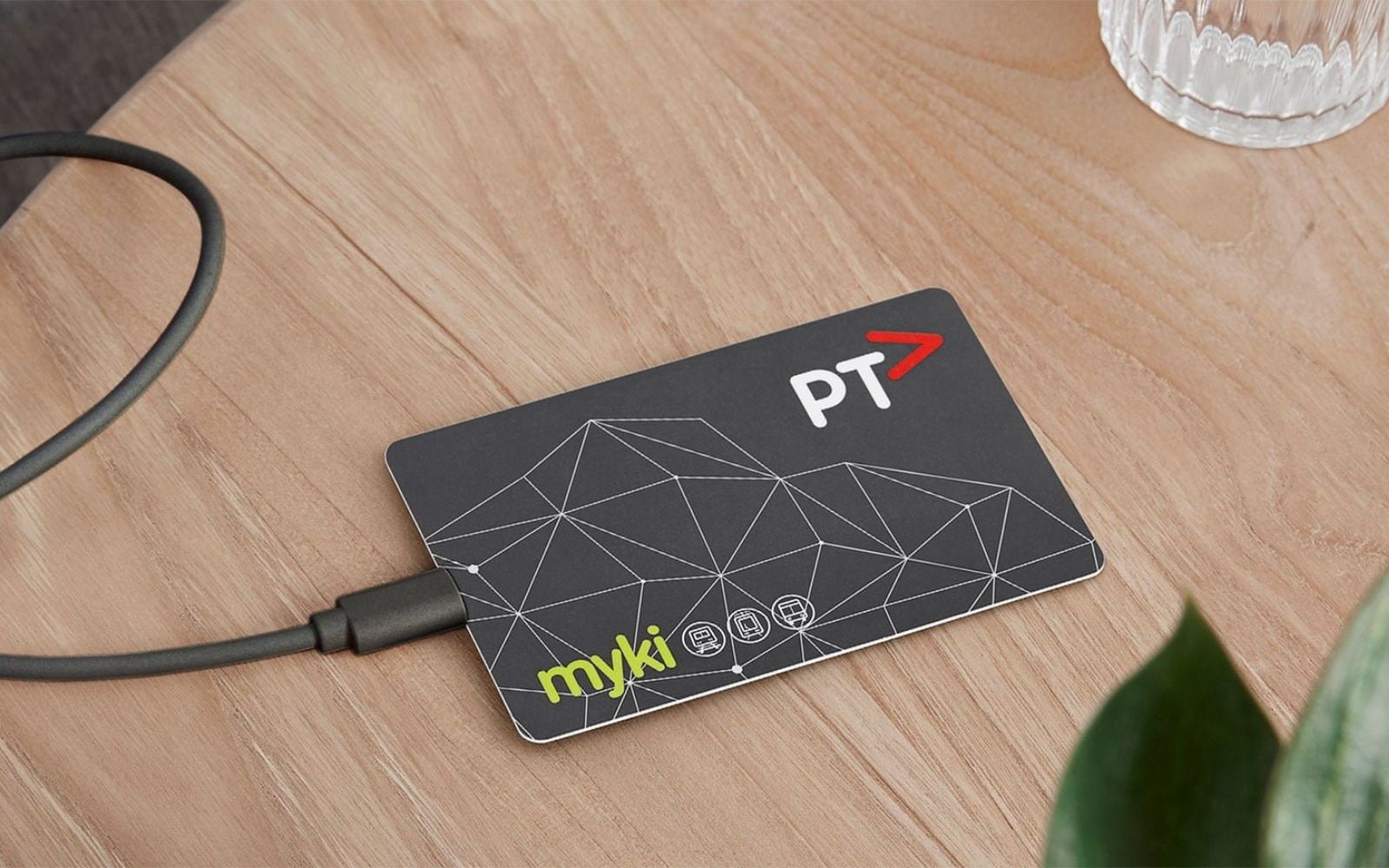
The physical myki card isn’t actually going anywhere – it stays an option at every station, alongside the new contactless readers. Whether anyone will still use them is another question.
Uptake has been fast since the wider launch. More than one million trips have been made with a bank card or smart device since tap and go went live last month across the myki-enabled rail network and trams.
Four in five of those trips used a phone or smartwatch. Trams were folded into contactless earlier in the rollout, leaving buses as the final major piece – tap and go reaches myki-enabled buses later this month.
The expansion sits within a broader stretch of change for the network, from new lines reshaping how Melbourne moves through to half-price fares tied to a wider overhaul, in place until 1 January 2027. The government says regular commuters stand to save more than $850 over that period.
What stays the same for V/Line passengers
V/Line passengers keep their existing options. Seat reservations remain where they apply, unreserved fares can be bought at the station with tap and go, and anyone who prefers a physical myki card can keep using one.
Concession passengers, seniors and travellers under 18 should keep using their concession or Youth myki – the same cards behind free travel for everyone under 18. The change adds a payment method at regional stations rather than removing the ones already there.
For now, keep tapping on with myki as usual.
The readers arriving at regional stations will accept contactless payments once they are switched on later this year, with full details available here.