Victoria’s music industry wants $6 million a year for school music, paid traineeships, regional touring and community radio – the third of four commitments it’s put to every party before the 28 November election.
In August, more than 150 artists, venue operators and label executives filled Melbourne Town Hall for the Victorian Music Assembly and launched Vote Victorian Music, a four-part platform Music Victoria has put to every party contesting the state election, with Briggs, Cash Savage and Nina Las Vegas among the speakers.
All up it comes to $28.5 million a year, or $114 million across four. The first ask is a legislated 1% levy on stadium and arena tickets to bankroll a permanent Victorian Music Trust. The second is $9 million a year going straight to artists. Labor and The Greens have answered some of it already.
Today, we’re looking at the third ask. It’s about the route in and the reasons to stay – who teaches music to kids, who trains the crew, who books the regional run, who puts the thing on air. Music Victoria wants $6 million a year across the lot.
Its argument is that the path is broken at both ends. Not enough young Victorians can see a way in, and too many people with a decade in the industry walk out because the work never gets less irregular. What you can get at either end depends a lot on where you live.
Vote Victorian Music: what ask three wants
- More classroom and instrumental music, with real support for the teachers delivering it, starting with regional and outer urban schools
- Careers material that shows the technical, production, business and rights jobs, plus regular all-ages gigs people can afford
- Paid traineeships in live production and technical roles, tied to placements rather than a standalone grant round
- Help for venues, festivals and businesses to train and keep staff, and better standards on hours, rest and safety
- Money for connected regional touring routes and the promoters who book them
- Community radio treated as infrastructure
- Backing for recorded music, rights, screen, games, tech and export
Stay up to date with what’s happening in and around Melbourne here.
The jobs nobody gets trained for
View this post on Instagram
Every gig you’ve been to ran on people you didn’t see. Someone built the stage, someone mixed it, someone drove the van at 2am. Ask three wants paid traineeships in those roles, attached to actual placements and a way up, not a grant round that stops when the money does.
The last time the state put cash straight into that pipeline it was $190,000 to CrewCare in 2022, for a scholarship that trained production students and crew coming back to work in time to staff that summer’s festivals.
Community radio is doing it for free
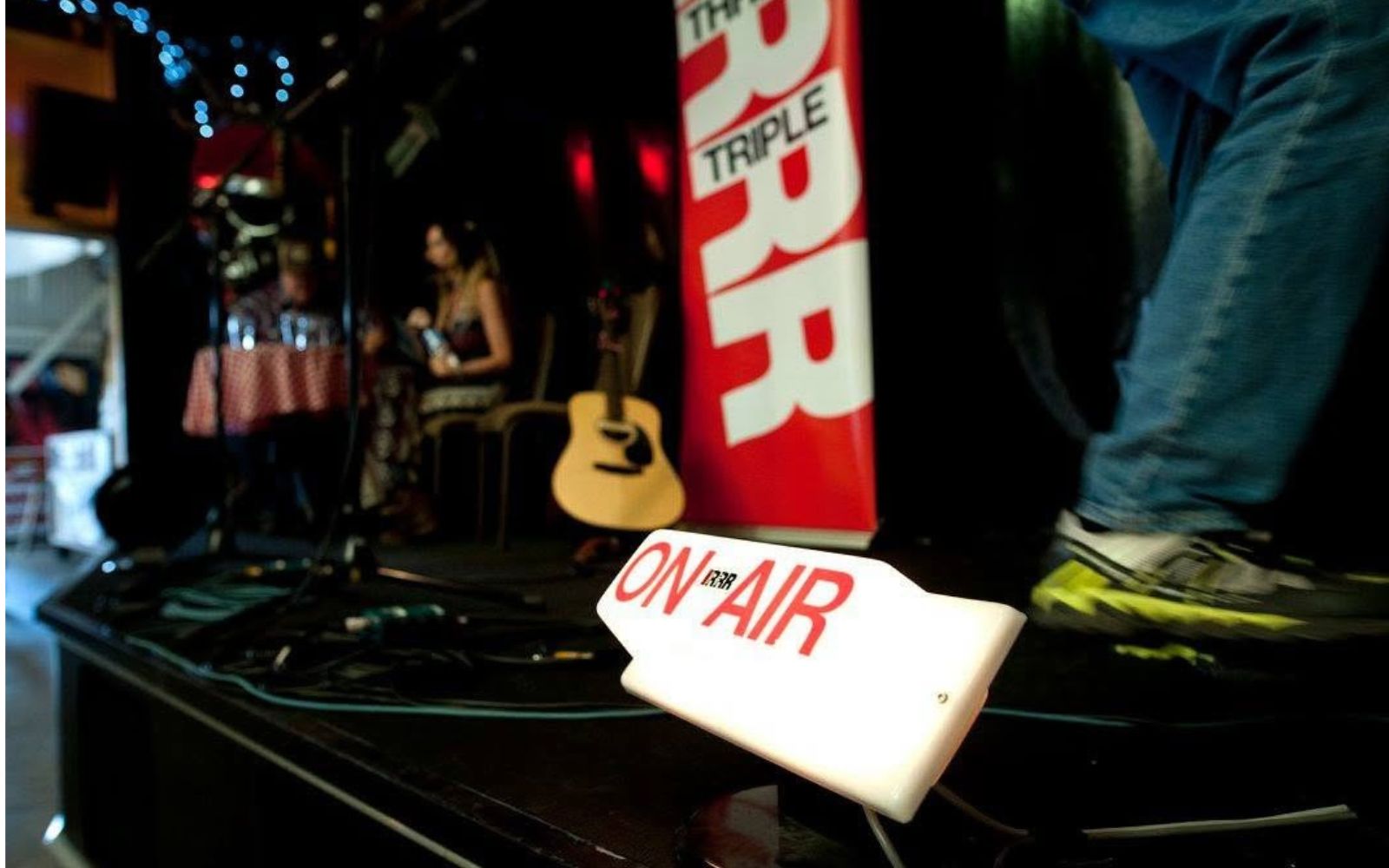
Triple R has 17,000 subscribers and more than a million listeners a month, and apart from Breakfasters every show on it is presented by a volunteer. PBS reaches about 295,000 people a week across 80-odd specialist programs, run by more than 400 volunteers. SYN gets named alongside them.
If you first heard a Melbourne band on the radio, it was almost certainly one of those three. Ask three says fund them like the infrastructure they already are.
The money nobody is chasing
Seven out of every ten people writing music for Australian video games live in Victoria. Four out of ten of the people scoring film and TV. There’s almost nothing from the state aimed at either of them.
Ask three would put money into screen and game composition, music tech, digital distribution, licensing, rights and export, with practical rights advice on AI tools thrown in.
Then there’s school
View this post on Instagram
Music in Schools is the department program that mentors teachers who’ve been handed music without being trained for it. It takes 40 government primary schools a year. Victoria has more than 1,100. Schools that get a spot get $4,000 for instruments and gear, four days of relief teacher cover, and a mentor for ten days.
Applications for next year close 13 November. Fifteen days after that, everyone votes.
The good bits do exist. Music is in the curriculum, and the 2023/24 budget put $2 million into SongMakers, which sends working songwriters and producers into high schools. Nobody is arguing those don’t work. The argument is that whether your kid gets any of it comes down to their postcode and whether the teacher taking music can read a chord chart.
The Push has been running youth music in Victoria for decades, and its national plan calls for curriculum reform, a proper map of career pathways and genuine deals between schools, training providers and employers. Ask three wants Victoria to go first instead of waiting for everyone else.
Who has actually said anything
Labor’s 23 September package put money into all-ages events, and a separate regional announcement added $4 million for touring grants to local promoters and $1 million for regional festivals. That’s one corner of ask three. Schools, traineeships, community radio and the screen and games money were left alone.
The Greens have some of it on paper. Their arts policy backs more funding for community radio, schools running proper arts programs taught by qualified teachers, and mentorships through training institutions with working artists, plus an income support scheme for emerging artists.
The Coalition and One Nation haven’t released any music platforms.
None of this would need building from scratch. Amplify, which took over from FReeZA in 2025, funds 61 organisations at between $45,000 and $120,000 each over three years, and across the past decade its recipients have put on more than 8,200 events for 2.3 million young people.
The machinery works. There just isn’t much of it.
To see the full policy paper, head here. To add your voice, head here.