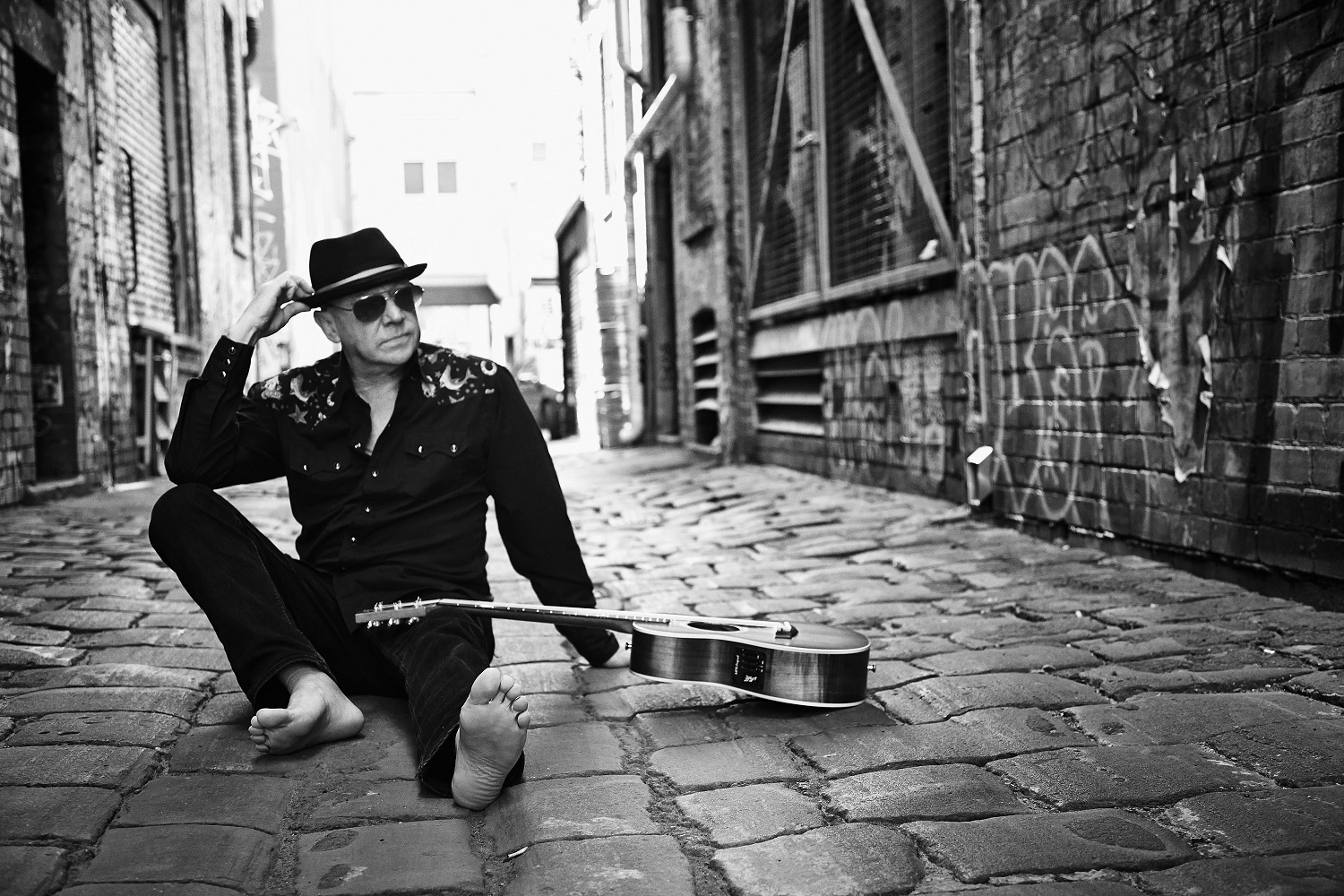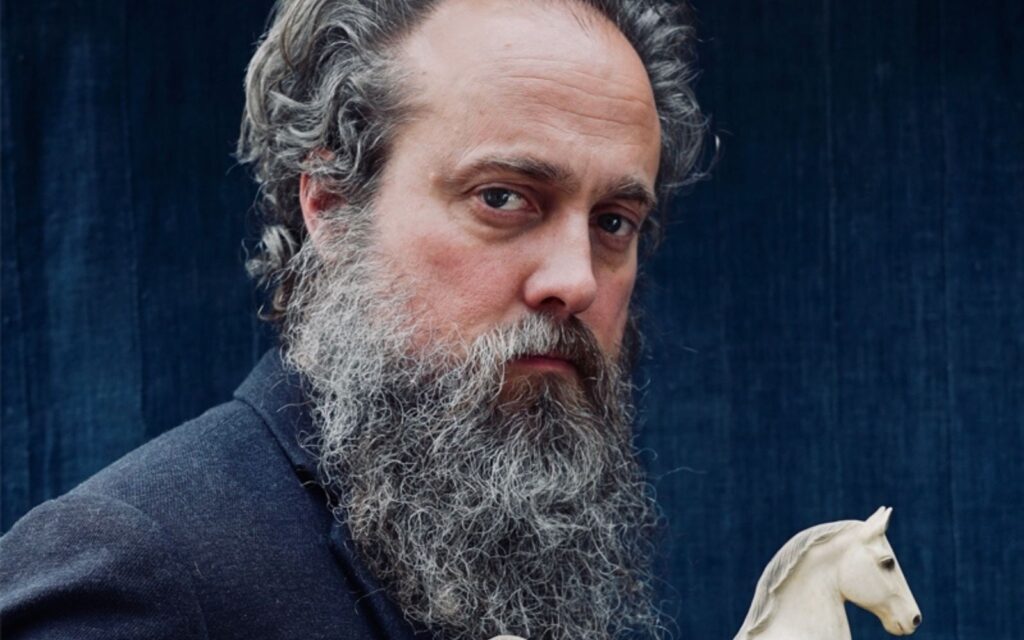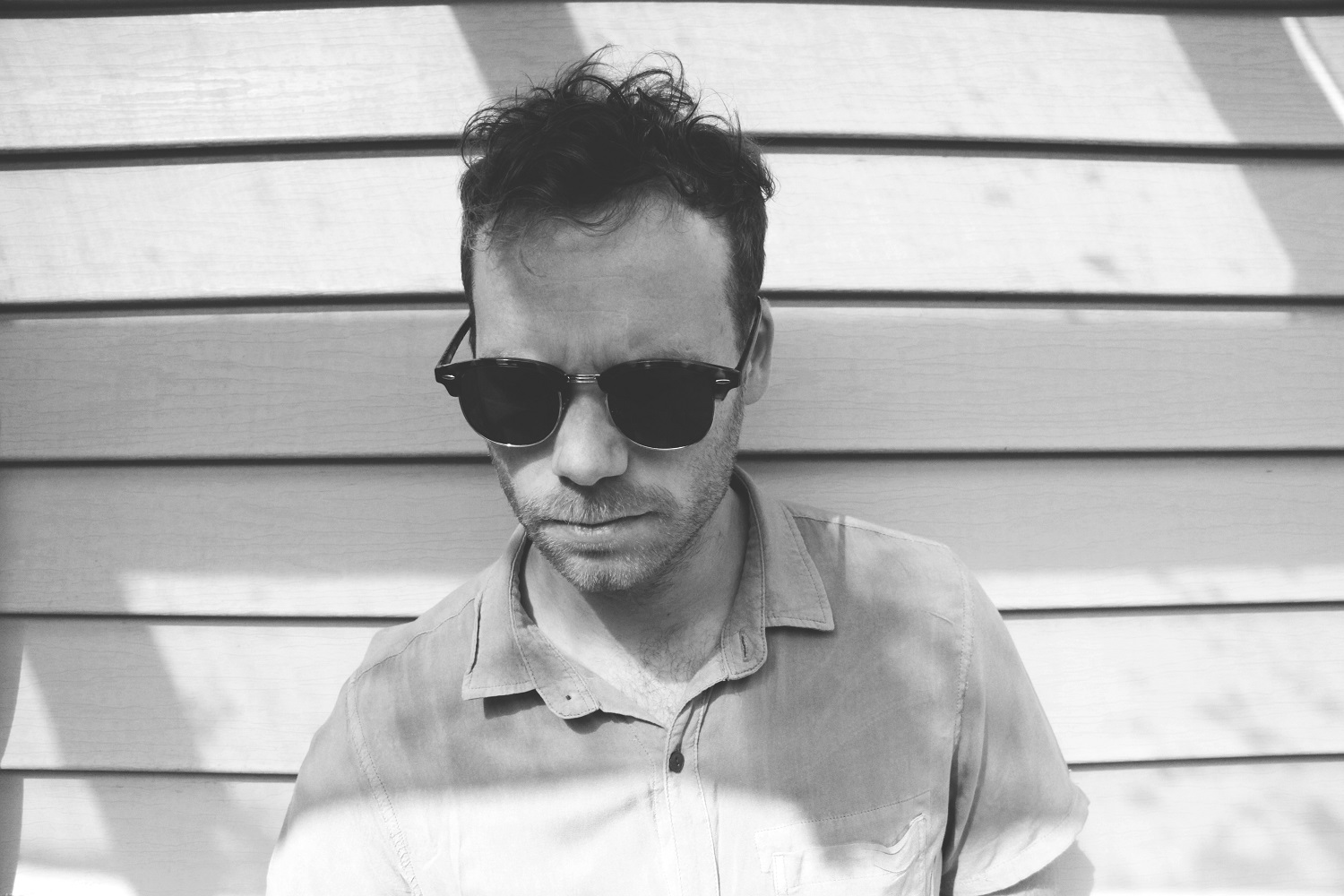
For Brad Ellis, the man behind the lyrically-rich, indie-folk that is The Hunter Express, 2017 has been a memorable year. Following on from the release of his EP Bluestone Lane, last year the Melbourne-based singer/songwriter began work on his debut album, during which he experienced creative highs, followed by personal lows and everything in between. Ellis however, is the first to admit he has made some wonderful friends along the way.
“I’m wrapped that people are embracing the music, it’s pretty humbling actually. I’m feeling a lot more confident in the studio. I think that’s coming from having good people around me.”
Recorded at Newmarket Studios with Callum Barter (British India, Courtney Barnett and Kurt Vile), The Hunter Express’ ten-track LP features collaborations with some of the city’s most well-respected musicians including Olaf Scott from Saskwatch, Dorsal Fins’ Jarrad Brown, Matt Dixon, Fraser A. Gorman and others. “Being able to work with people that are quite established in the Melbourne scene was amazing but it also gave me a sense of nervousness as well. I remember thinking ‘Aww gee, I can’t stuff this up,’” he laughs.
Ellis has a quiet charm that draws you in. He is honest and open, a natural storyteller, and that comes through in his songwriting. He has no interest in being a rock star, in fact, right now he’s a stay-at-home dad. “The Hunter Express is named for my son Hunter, who is five. About four years ago, my wife wanted to pursue her career in dance and I decided to leave my full-time job as a youth worker, so we exchanged roles,” he says.
“It’s been one of the most amazing experiences for me. I was able to spend more time with my family – my son and daughter – and out of that came the idea of starting to write music. I’d use the little time while Hunter was at kinder and it began to evolve from there,” Ellis says.
“Although parenthood has come with the obvious pressures and challenges of raising children, it’s allowed me to develop an openness to new ways of listening to and creating music – and somehow I’ve managed to find the time to get out to friends’ gigs from time to time as well.”
Inspired and encouraged by his family, Ellis forced himself out of his comfort zone when he began work on his EP last year. “I took a risk when I booked to record Bluestone Lane with Cal Barter, but I had done my research and knew of the great work he had produced with other musicians around the city.
“When I went to North Melbourne to meet with him he showed me his studio and explained the space, and how he worked by recording multiple musicians all at the same time, which was really interesting to me. I hadn’t done anything like that before,” he says. “I’d always recorded in layers, but now I feel like that was what I was meant to do and the way I always want to create music.
“Putting together this LP I took the same approach. Some of the songs are a completely live vocal and live guitar as well, and because of that I feel like I’ve developed a connection with creating music in the studio. I definitely feel more at home there now.”
Sadly, while in the midst of an artistic reinvention, Ellis lost his father after a battle with cancer. “My dad passed away in June this year, so it was right in the middle of making this album,” he says. “2017 has been one of the toughest years but at the same time I realised how important music was to me, and finishing this album has allowed me to try to start to heal from that.
“Although there was a time when I thought it was going to be another EP, but I kept writing songs right up until the last day of the final recording, just in case a better one came along.”
With Callum Barter at the helm and Saskwatch’s Jarrad Brown on bass once again, Ellis felt he was free to explore what was possible. “I worked with Jarrad on Bluestone Lane and through the sessions we developed quite a good friendship so I wanted him to be a part of the album. This time around everything was open to debate and it was fantastic having someone like Jarrad suggest his point of view. There was a sense of freedom and that is definitely found within these songs.”
At one point, Fraser A. Gorman even dropped in to play a few bars. “I really wanted harmonica on one of the songs so Cal got in touch with Fraser. He came in and played, but his harmonica was in the wrong key or something, so we drove down to the music shop to buy a different one and we got to chatting and he said ‘You know I play guitar as well?’
“Of course I know Fraser’s work really well,” he laughs. “So he ended up playing guitar on one of the songs too, and it was quite funny at the end I said ‘What do you want for this session?’ I mean, he was there for almost more than half a day but he just said ‘50 bucks and I’m keeping the harmonica.’”