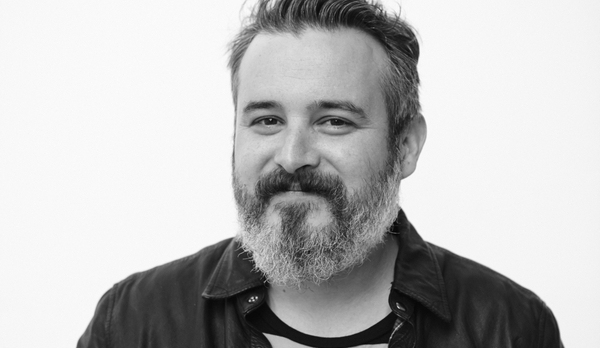
So music criticism clearly matters to some of us, even if a favourable review in Rolling Stone doesn’t hold the same weight it did in decades past. While there are far more people writing about the same records, Matthew Coyte – the editor-in-chief and publisher of Rolling Stone Australia, who’ll be appearing at Face the Music this weekend – argues there’s actually a shortage of thoughtful criticism.
“I still think that well written reviews are thin on the ground,” says Coyte. “People feel like the market’s saturated at the moment because bloggers and people just decide to write from personal experience and opinions, but I feel like there’s a difference between a well crafted review and something that’s being compared to everything else in one person’s CD collection.”
Yet music criticism and our media consumption patterns at large seem to be moving in the opposite direction. We’re becoming more niche, our tastes more curated, our preferences more personally tailored. Pitchfork give as much attention to a doom metal band from Arkansas as they do an arena-filling indie rock outfit. But Coyte argues that critics – especially young writers – would be better off bucking the niche-interest trend, and instead assessing all genres on their merit.
“A really good reviewer, I think, will absorb and listen to things that your average punter wouldn’t, just to have a different frame of reference on anything,” he says. “I’ll rarely listen to anything I don’t choose to listen to during my working day, but I feel like it’s my job to listen to everything and take it on face value. I feel like there aren’t a lot of people out there who are well rounded in terms of their reviews. Someone like Bernard Zuel [of The Age and Sydney Morning Herald] is listening to a lot of different musical styles and he’s taking everything on face value. Whereas someone who’s writing for a blog might have a preference for Chicago noise rock or whatever – I’m not necessarily sure that they should call themselves a professional reviewer.
“There are a lot of great writers who can write really well about one thing, but music itself, it’s seen as such a niche practice these days. Writing about music is such a niche thing. You don’t want to limit it even further by genre-fying yourself.”
One of the biggest talking points around music journalism in the last few years has been the pervasive boys-club mentality. The press release announcing Conde Nast’s acquisition of Pitchfork raised eyebrows when it highlighted the publication’s, “passionate audience of Millennial male.” While Pitchfork and the music press in general have always been centred on white dudes, Coyte’s experience at Rolling Stone suggests the tide is slowly turning, both in terms of readers and writers.
“I feel like men are going to move away from magazines and entertainment journalism more than women will,” he says. “I feel like women are not going to let magazines go lightly. As the numbers shrink, I don’t feel like they’re shrinking at all on the female side of things. I know we’ve had a lot more female writers contacting us in the last couple of years than we’ve ever had.
“I used to get up at talks five years ago, say at BIGSOUND, and the question would be about not having enough female voices in the magazine,” he adds. “I really didn’t have a good answer to that. Today I’d say we’ve probably got 50/50 female/male writers.”
Coyte’s personal rule for music writing aligns with the old adage to never meet your idols. While writing a story on Zakk Wylde for Australian Guitar, Coyte landed a dream interview with Ozzy Osbourne. All he had to do was wait for Ozzy to finish a signing session. Problem was, the signing was such a marathon that once Osbourne was done, he promptly passed out and the interview never happened. When the opportunity to interview Ozzy came up again, this time for Black Sabbath’s 2013 Australian tour, he passed.
“I was so gutted and kind of bummed out that first time that if he does anything shitty to me this time, I’ll just burn my Black Sabbath records and I don’t really want to do that. I’ve seen enough reality shows with Ozzy that I feel like he’d be a pretty all-round amusing and decent dude. I’m just not willing to take that risk. There are just some artists out there that’d just crush me if they gave me any reason not to enjoy their albums as much.”
BY MATTHEW TOMICH