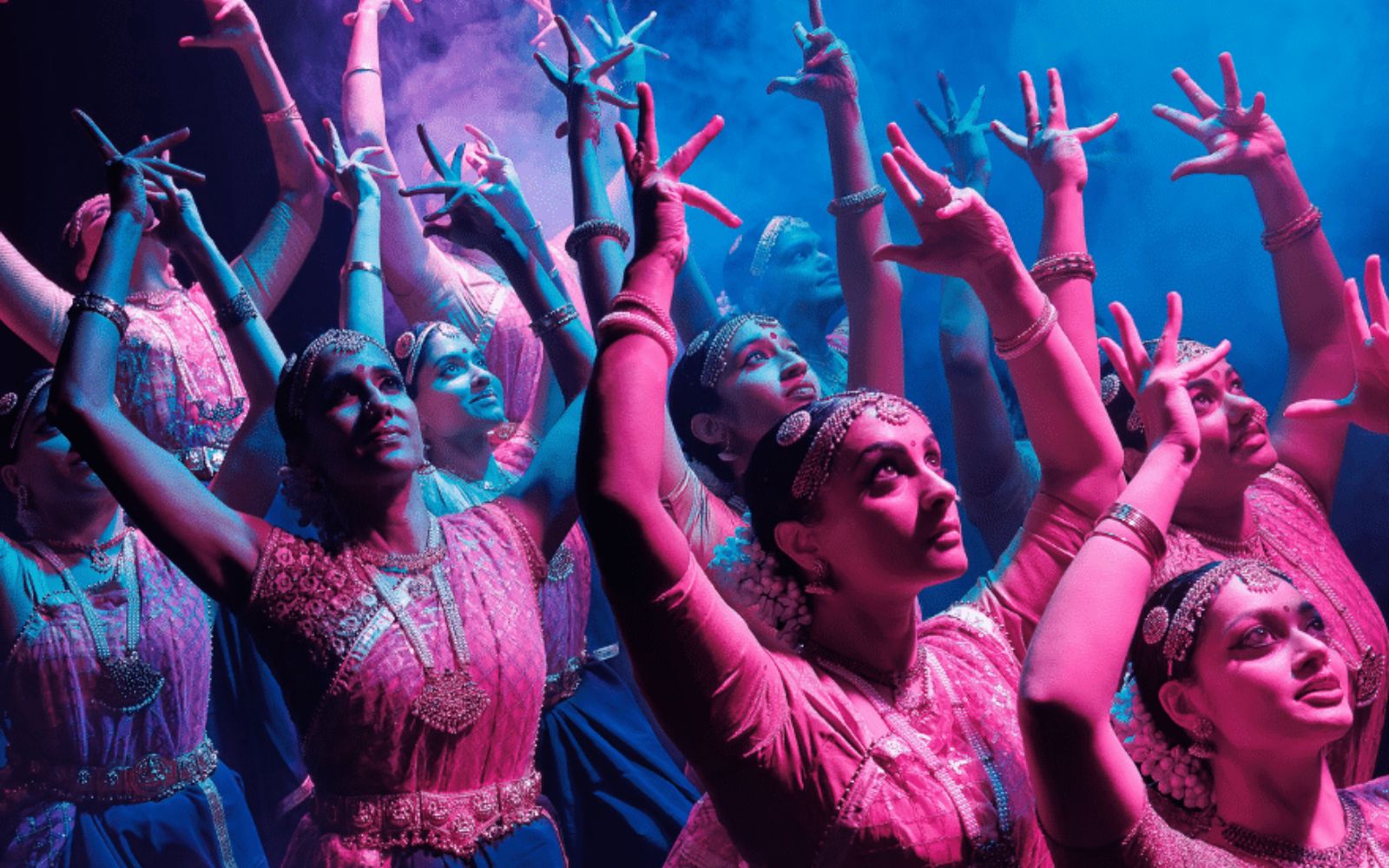
A sacred, sexy celebration of queer South Asian identity comes to the Clocktower Centre.
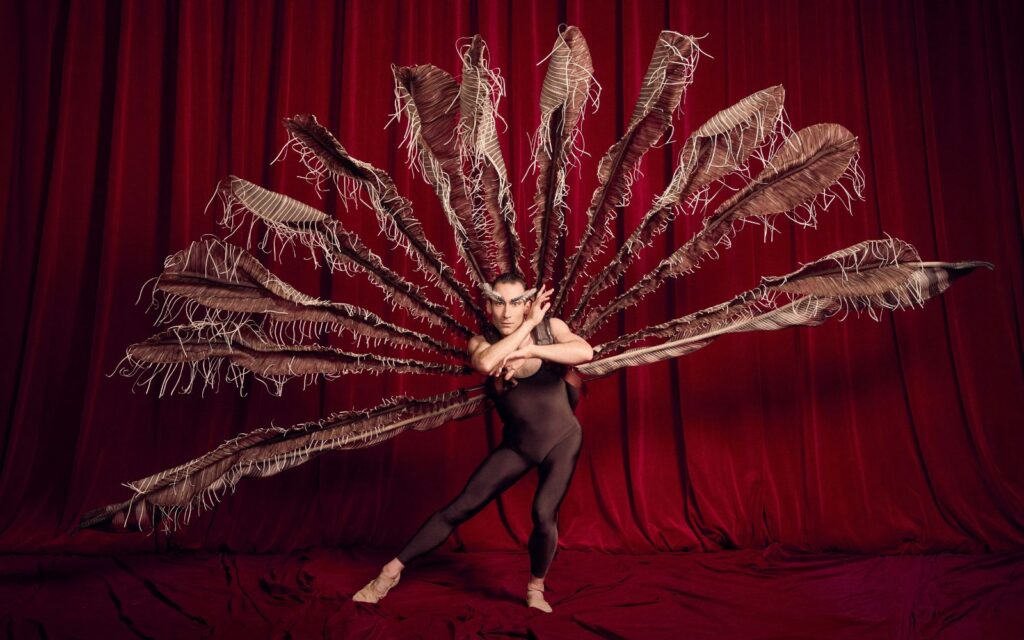
Joyful and sexual, Temple of Desire queers expectations. Coming to the Clocktower Centre in Moonee Ponds for one night only (6 November), this award-winning show opens with dancing for divine eyes and transforms into a vibrant celebration of sensuality and gender subversion, with glimpses into history and a bold future of diasporic belonging.
“It’s sacred and sexy,” producer Manjusha Manjusha says. “Even if you don’t understand any of it, it just looks fabulous.”
This work from Indian dance company Karma Dance Inc., by director and choreographer Govind Pillai, is a celebration of queer South Asian identities, a revival of old stories and a distinctly diaspora-led expression.
Temple of Desire – the Clocktower Centre
- When: Friday 6 November
- Where: The Clocktower Centre, Moonee Ponds
- Tickets here
Stay up to date with what’s happening in and around Melbourne here.
View this post on Instagram
“For people who it does really resonate to, it’s quite powerful,” Manjusha says. “It might represent parts of them that they have never seen represented on stage.”
While this ensemble performance is rooted in the classical Indian dance form Bharatanatyam, it takes artists and audiences on a postcolonial queer exploration – complete with disco lights and a touch of Bollywood.
Manjusha doesn’t give much away ahead of the performance.
“I’m trying to keep the mystery alive because one of the beautiful things about Temple of Desire is people don’t know what to expect,” she says.
Pillai is one of the few male practitioners of Bharatanatyam in Australia, and has explored gender and sexuality through South Asian classical dance, performing Australia-wide and serving as board member of the National Theatre (St Kilda) and dance adviser to the Federation of Indian Music and Dance Inc. (Victoria).
Manjusha has worked with Karma Dance for over 10 years.
She’s a classically trained Mohiniyattam dancer and a singer of both Carnatic and Western music, and an independent producer working within heritage, performing arts and events management.
Pillai first approached Manjusha with the idea for Temple of Desire as a Melbourne Fringe show. It debuted at the Malthouse Theatre for the 2024 festival, selling out three performances and winning the Melbourne Fringe Director’s Choice Award.
It’s been performed at the Sydney Opera House, Toronto Fringe Festival and the Woodford Folk Festival.
“I always remind Govind… we’re literally making history,” she says.
Bharatanatyam has its origins in South India and is now performed across India and elsewhere in South Asia.
It has a long history, but Manjusha says the meaning of this once-devotional Hindu dance changed during colonisation. It moved from temples to courtly entertainment, and at one point was banned by the British, who considered it “barbaric” and associated dancers with sex work.
Manjusha says what dancers perform today is a revival taking cues from contemporary ballet to create a “structured” theatre practice.
“That was one way of safeguarding the practice, but the problem is through that process we lost a lot of the original spirituality and sensuality,” she says.
The dancers in Temple of Desire also undergo “a process of decolonisation and unlearning”, questioning the strict, “top-down” teaching, freeing them to explore sexuality and queerness and subvert lingering colonial biases.
“It’s sad, because if we unpack that and go back to our original roots, our culture has always had a strong queer presence,” she says.
“Most of our Gods are trans… there are so many different versions of our God.”
Manjusha points to a current movement in India to translate old, suppressed texts.
Temple of Desire is partly based on newly translated work. The opening scene draws from Bharatanatyam’s origins.
View this post on Instagram
Dancers face the back of the stage, not the audience, and a deity is revealed, splendidly queer and genderfluid. The dancers perform directly to God.
Each segment within the 40-minute performance is another facet of gender and sexuality, from a solo dancer “seductively” exploring themselves onstage to a goddess locked in demonic battle. After her victory, the momentum of her preparations and power gives way to “the unravelling”, as she is drawn into the realm of womanhood.
“We worship a lot of feminine deities and goddesses,” she says. “But at the same time, how do we treat women in our lives?”
Manjusha calls these “diasporic interpretations” of mythology.
“You couldn’t get a work like this in India, it’s very different,” she says.
Music mingles contemporary works by South Asian diaspora artists with some Bollywood, and a set designed as an “out of this world” temple from a magical land.
“We’re existing in this weird third culture narrative, and we really wanted to embody the lived experience,” she says.
Karma Dance created a unique training model that can transport this show into new cities with fresh casts of local talent (and custom-made costumes from India).
“Thanks to the revival process and the standardisation… we could go anywhere in the world,” she says.
In Toronto, dancers auditioned online and Karma Dance sent choreography and workshopped segments months ahead, then arrived for intensive in-person rehearsals and the show run during Pride.
Manjusha is proud to be working with the Clocktower Centre, whose programming, run by Moonee Valley City Council, creates a dialogue with local communities and makes the work accessible. And when the curtain falls, the after-party kicks off with DJ Goddess Naavikaran for a rare night of liberation and celebration.
“Like, how many queer South Asian parties are there in Melbourne?” Manjusha says.
She says being an independent dance company with queer South Asian intersectional work comes with a responsibility to third-culture kids.
“We’re very small scale comparatively,” she says. “But… we have very big themes to deliver. It shows the younger generation that it’s possible… There is a place for you to belong.”
For more information, head here.
This article was made in partnership with Moonee Valley City Council’s Clocktower Centre.