A joint state and federal investment will progress planning and development works for electrifying the V/Line Melton Line, paving the way for metro-style electric trains across Melbourne's booming west.
A $152.7 million investment will progress development works for the future electrification of Melbourne’s V/Line Melton corridor.
The funding — split equally between the state and federal governments — will cover site investigations, environmental assessments, planning approvals, detailed design and securing power supply for a future electrified line. For the tens of thousands of V/Line passengers who travel the Melton Line each day, the announcement marks a concrete step toward a long-awaited transformation of rail services across Melbourne’s western growth corridor.
Development works are expected to begin this year and wrap up by mid-2027. This planning phase will also inform future funding decisions around construction of the full electrification project, with the investment to be reflected in the 2026–27 federal budget.
Stay up to date with what’s happening in and around Melbourne here.
What V/Line electrification would actually mean for Melton commuters
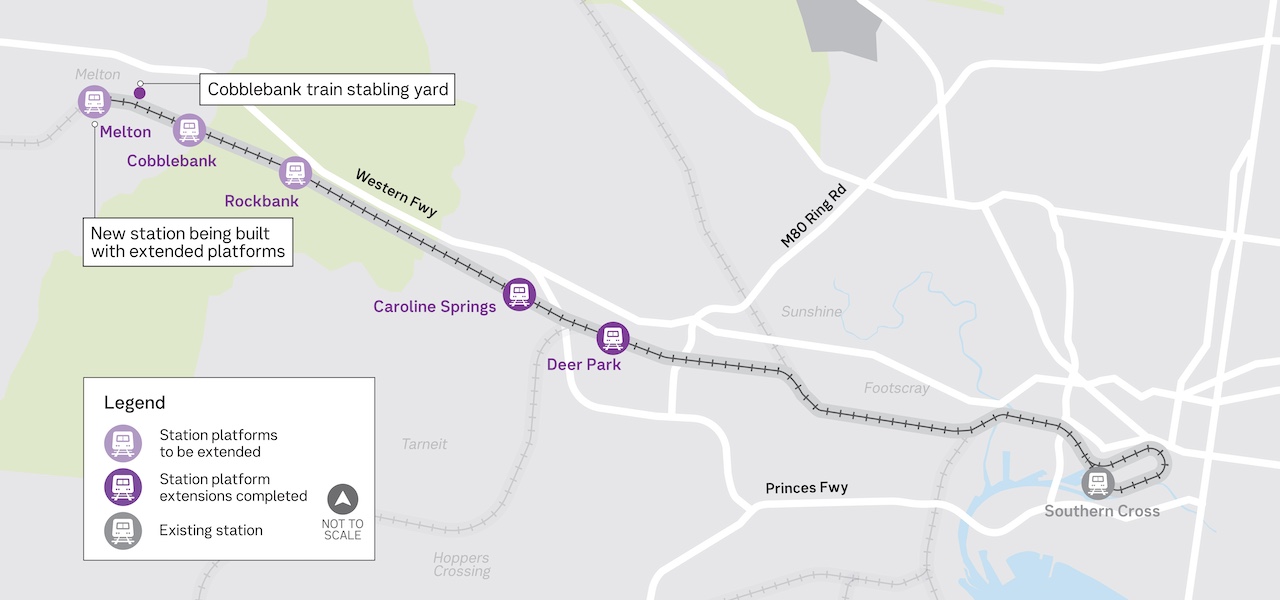
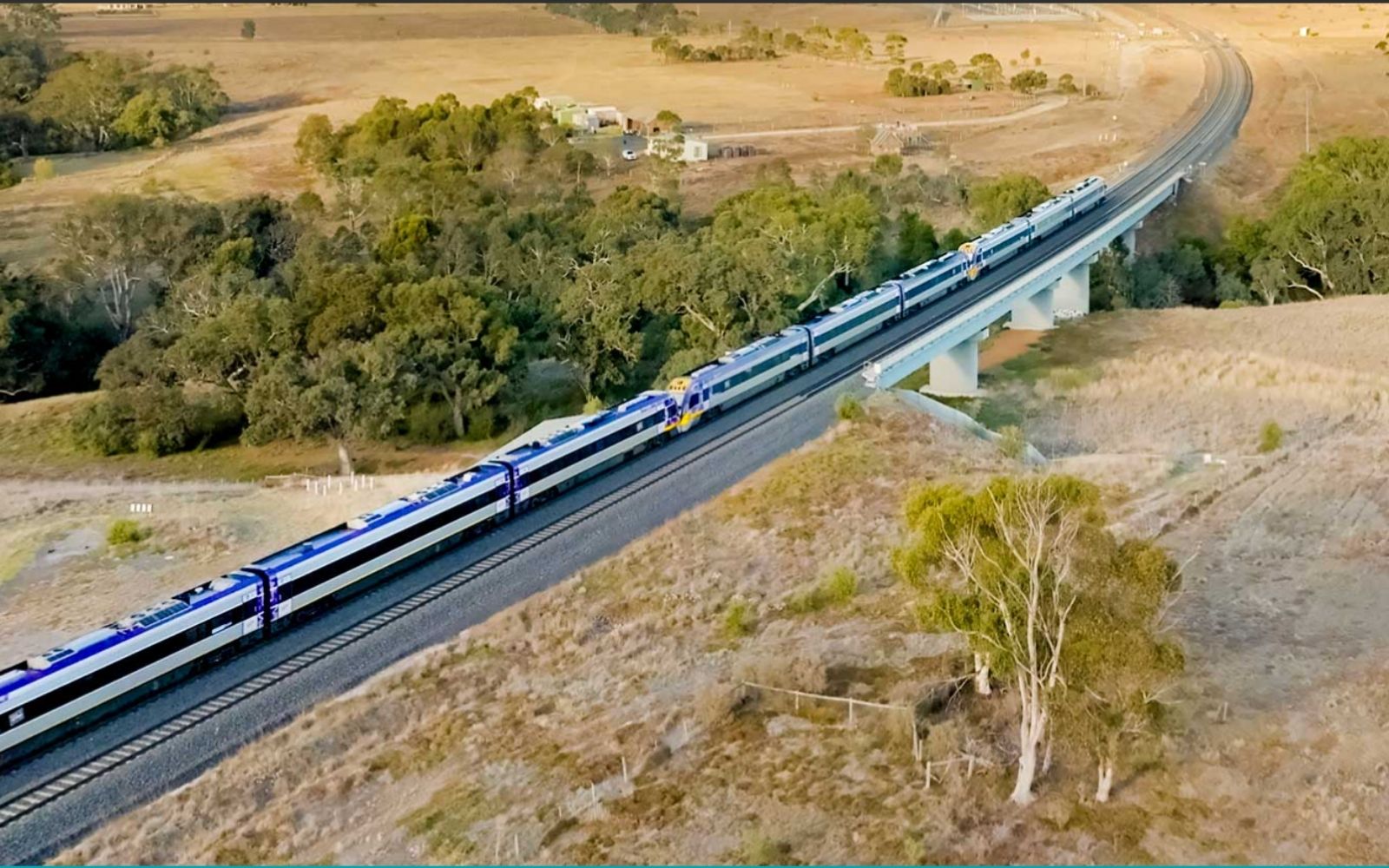
Right now, passengers travelling from Melton, Cobblebank, Rockbank and Caroline Springs ride regional diesel trains that share the corridor with long-distance Ballarat services. That means limited frequency, overcrowding during peak hours and no separation between metro and regional passengers. If you have ever been left standing on a packed platform at Cobblebank watching a full service roll past without stopping, this is why.
Electrification would convert the Melton Line from a regional corridor to a metropolitan one — the same type of network that runs through Craigieburn, Frankston and other suburban lines. According to the City of Melton’s Moving Melton transport advocacy, extending the electrified network from Sunshine to Melton could triple passenger carrying capacity on the line. Metropolitan electric trains can carry up to 1,500 passengers per service and run at significantly higher frequencies than the current diesel fleet.
In practical terms, that means shorter wait times, less crowding and a more reliable turn-up-and-go service for stations that are currently served by trains running every 20 to 40 minutes during off-peak periods. Separating Melton services from the Ballarat line would also free up regional VLocity trains to be redeployed to other high-demand corridors across Victoria.
Why Melbourne’s west needs this upgrade now
The City of Melton is the fastest-growing local government area in Australia, adding more than 12,600 people in 2024–25 alone according to the latest ABS regional population data. Its population is projected to more than double to over 470,000 by 2046, with six new suburbs and an estimated 65,900 new dwellings planned directly along the rail corridor over the next 30 years.
Patronage on the Melton Line has been growing at 9.9 per cent per year between 2019–20 and 2023–24. Without electrification, the corridor is projected to be the only rail line in Melbourne’s network without sufficient capacity for commuters to turn up and catch the next available train — a situation that would effectively strand one of the country’s fastest-growing communities without a viable public transport alternative.
What’s already underway on the Melton Line
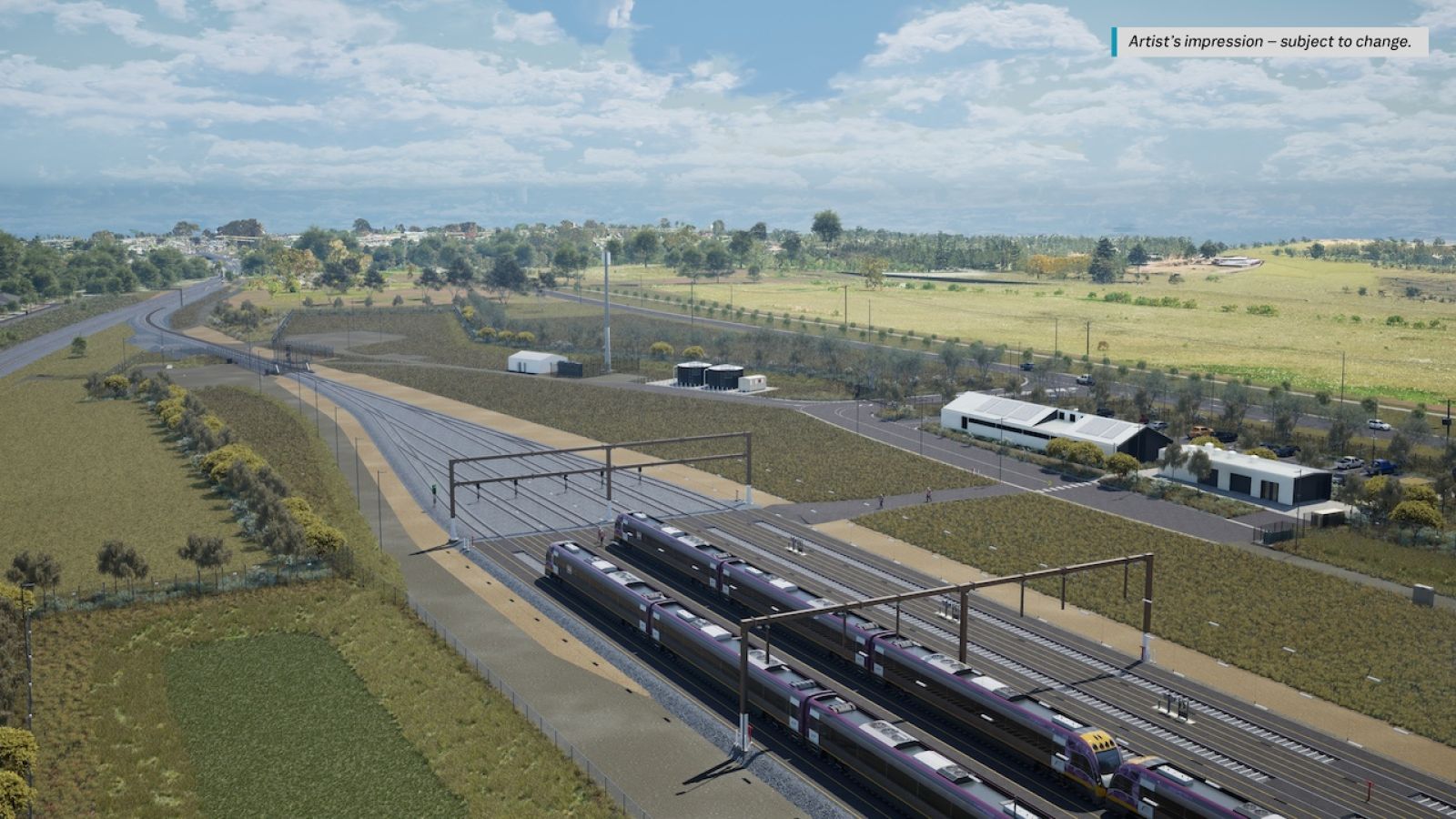
The broader $650 million Melton Line upgrade is already progressing, with nine-car VLocity trains set to begin running from 2027 — one year ahead of schedule — boosting peak capacity by 50 per cent. Platform extensions are being delivered at Cobblebank, Rockbank, Caroline Springs and Deer Park stations, and a new train stabling yard at Cobblebank will house the longer fleet. That stabling yard is also being future-proofed for metro electric trains when electrification arrives.
Meanwhile, the $4.1 billion Sunshine Superhub — the first stage of Melbourne Airport Rail — is creating the infrastructure at Sunshine Station needed for future electrified Melton services to run through the Metro Tunnel into the CBD. Once complete, Sunshine will support more than 1,000 train services per day and act as the junction point where the electrified Melton Line connects into the broader metropolitan network.
This $152.7 million commitment is a planning and design phase, not a construction green light. But for commuters across Melton, Cobblebank, Rockbank and Caroline Springs who have watched their suburbs grow at record pace while train services struggle to keep up, active development of electrification represents a meaningful shift from advocacy to action on the ground.
For more information, head here.