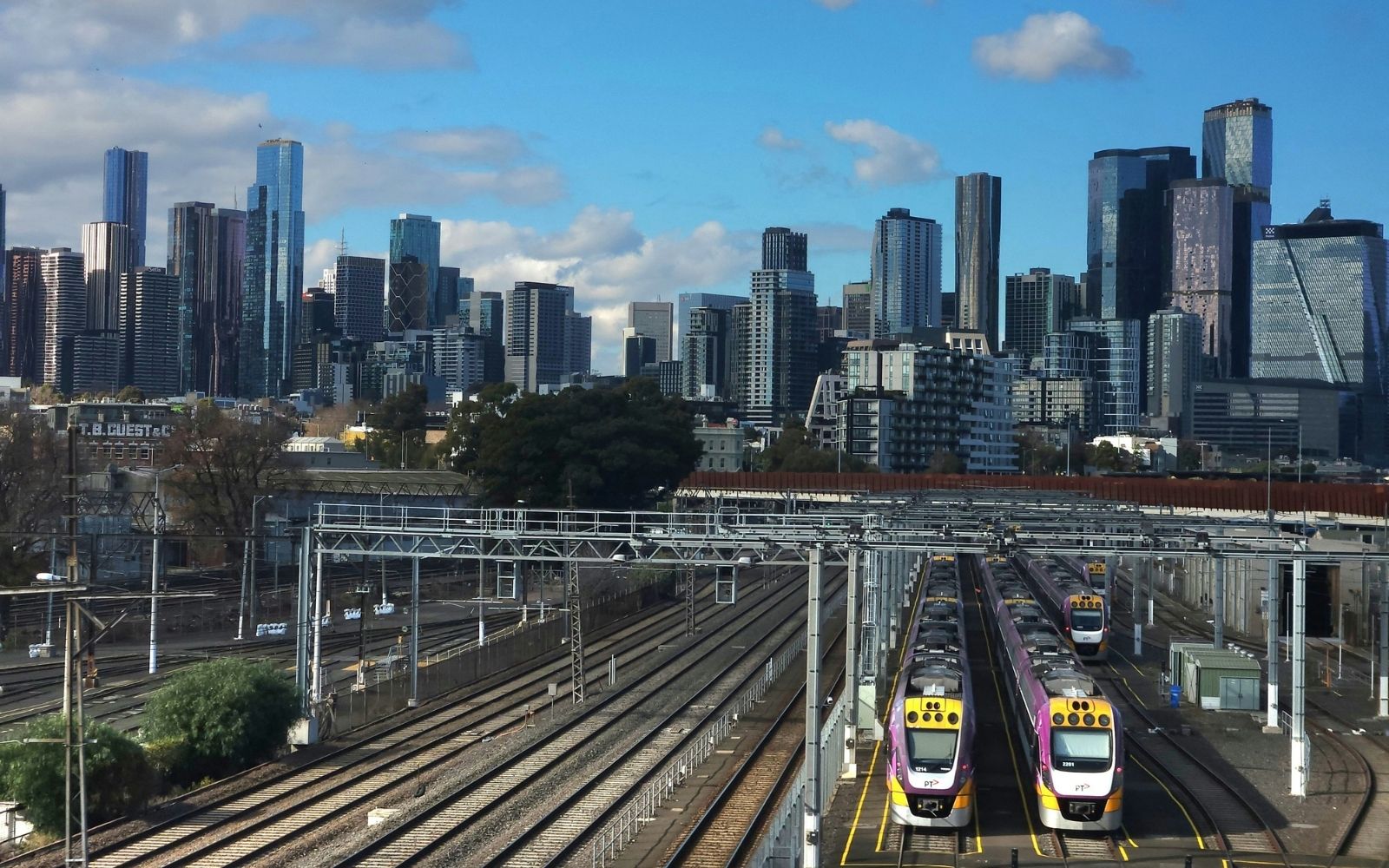
The Victorian government has released draft maps showing where new homes could be built near Melbourne train station and tram stops.
The Victorian government has just unveiled plans to allow much taller buildings – some up to 16 storeys – within walking distance of 25 transport hubs across the city, aiming to house Melbourne’s growing population while keeping them close to Melbourne train stations and tram stops.
These 25 new zones are part of a bigger plan to create 50 activity centres that will help deliver more than 300,000 additional homes close to jobs, services and transport by 2051.
Draft maps show proposed building heights and boundaries around some of Melbourne’s most connected suburbs. These Melbourne train station zones include stations benefiting from the new Metro Tunnel, upgraded train lines, and busy tram routes with thousands of weekly services.
Melbourne train station and tram zone activity centres
- Seven Metro Tunnel stations: Carnegie, Hughesdale, Murrumbeena, Oakleigh, Middle Footscray, West Footscray, Tottenham
- Three Belgrave/Lilydale stations with five-minute peak services: Hawthorn, Glenferrie, Auburn
- Four Sandringham stations with eight peak trains hourly: North Brighton, Middle Brighton, Hampton, Sandringham
- Five Glen Waverley stations with up to nine peak trains hourly: Tooronga, Darling, East Malvern, Holmesglen, Gardiner-Glen Iris
- Two Upfield stations with increased off-peak services: Brunswick, Coburg
- One upgraded Hurstbridge station: Heidelberg
- Two tram corridors with 3,000+ weekly services: High St Thornbury, St Georges Rd
- One tram junction with 2,800+ weekly services: Kew Junction (routes 109, 48)
Stay up to date with what’s happening in and around Melbourne here.
View this post on Instagram
More services, new trains
Seven Melbourne train stations connected to the new Metro Tunnel will gain more services with new trains, including Carnegie, Hughesdale, Murrumbeena, Oakleigh, Middle Footscray, West Footscray, and Tottenham. Three stations on the Belgrave/Lilydale Line benefit from five-minute peak services between Ringwood and the city at Hawthorn, Glenferrie, and Auburn. Four stations on the Sandringham Line run eight trains per hour during peak times at North Brighton, Middle Brighton, Hampton, and Sandringham.
Five stations on the Glen Waverley Line operate up to nine trains per hour during peak times, covering Tooronga, Darling, East Malvern, Holmesglen, and Gardiner-Glen Iris. Brunswick and Coburg stations on the Upfield line will benefit from increased off-peak services from next year. Heidelberg station on the upgraded Hurstbridge Line now has improved peak and off-peak services following the line’s duplication. High St Thornbury and St Georges Rd are supported by more than 3,000 weekly services on tram routes, while Kew Junction has more than 2,800 weekly services on routes 109 and 48.
Building heights vary depending on the location around each Melbourne train station. Core areas right next to stations could see apartment buildings up to 16 storeys, while some cores allow six storeys. Inner catchments within a five-minute walk would have four-storey limits, and outer catchments up to 10 minutes away would allow three storeys.
Community consultation for the Melbourne train station and tram housing plans runs through September and October, following strong interest in the first round where nearly 2,000 people attended sessions and more than 3,000 submissions were received.
For more information, head here.