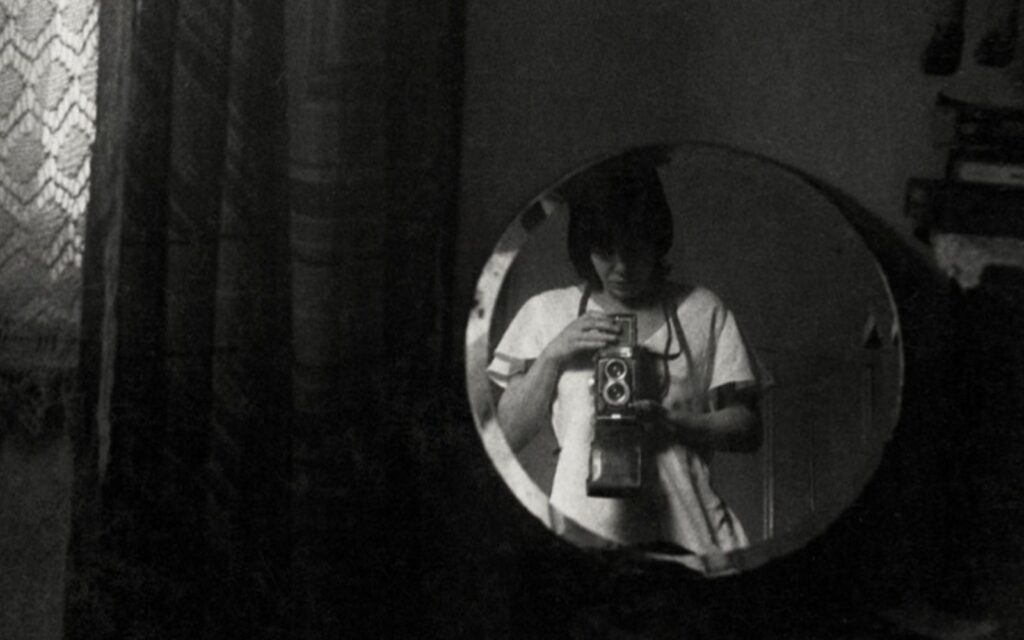
Benjamin Law’s theatrical adaptation of Dying: A Memoir, Australian author Cory Taylor’s final work, highlights the need for open and honest discussions surrounding death and dying.
When Taylor was diagnosed with stage four melanoma in 2005, she only told her husband, Shin, deciding to shield their children – and the rest of her immediate family and friends – from the pain. Since Taylor strived to maintain dignity right up until her last breath, her story also makes a convincing case for voluntary assisted dying.
Genevieve Morris, this one-hander’s star, enters the performance space as herself – which is fabulously unexpected – and immediately endears us to her. Like Taylor, Morris was diagnosed with cancer around her 50th birthday. Unlike Taylor, she didn’t run out of treatment options.
Stay up to date with what’s happening in and around Melbourne here.
View this post on Instagram
Morris is a comedic actor par excellence with impeccable timing. Throughout Dying: A Memoir, she also effortlessly embodies additional characters – such as an officious doctor spouting alienating medical jargon, Taylor’s dementia-riddled mother and fuckwit brother. Thanks to her elastic facial expressions and limber physicality, Morris leaves no doubt as to which supporting role she’s portraying at any given time. During a scene where Taylor converses with her two siblings, she switches between all three characters – no mean feat.
James Lew’s sparse set comprises red moveable chairs on castors, which Morris rearranges – while delivering monologues – to represent doctors’ waiting rooms, Taylor’s second home in Arita, Japan and her mother’s nursing home amongst other locations.
At one point we flash back to Taylor’s childhood, during which she weathered a Fijian cyclone alongside her mother and siblings. Lighting Designer Rachel Lee artfully depicts lighting as jagged slashes appear in the backlit black backdrop. In this scene we see Taylor frantically handing hurricane blinds to her mother – a eureka moment for audience members that makes sense of an earlier scene, during which Taylor visits her mother in a nursing home. After struggling to recognise her – going so far as to say she never had children – Taylor’s mother, in an agitated state, repeatedly asked whether she found the blinds.
Towards the end of the play, Morris breaks the fourth wall to conduct some audience polls. We’re asked various questions about our views on/fear of death and respond with a show of hands before a couple of individuals are gently asked to elaborate on their stance.
Although it’s recommended that audience members pack tissues, hilarious one-liners (eg. “If cancer doesn’t kill me, two-factor authentication will”) regularly cut through Dying: A Memoir’s bleak subject matter.
Postcards scattered around the venue pose questions that encourage us to think more deeply about death, the places that have shaped us and how we’d prefer to end our days. We will definitely broach these subjects with ageing relatives and start thinking about our own end-of-life plan. Dying: A Memoir is life-changing.
Dying: A Memoir runs at Fairfax Studio, Arts Centre Melbourne until 29 November.