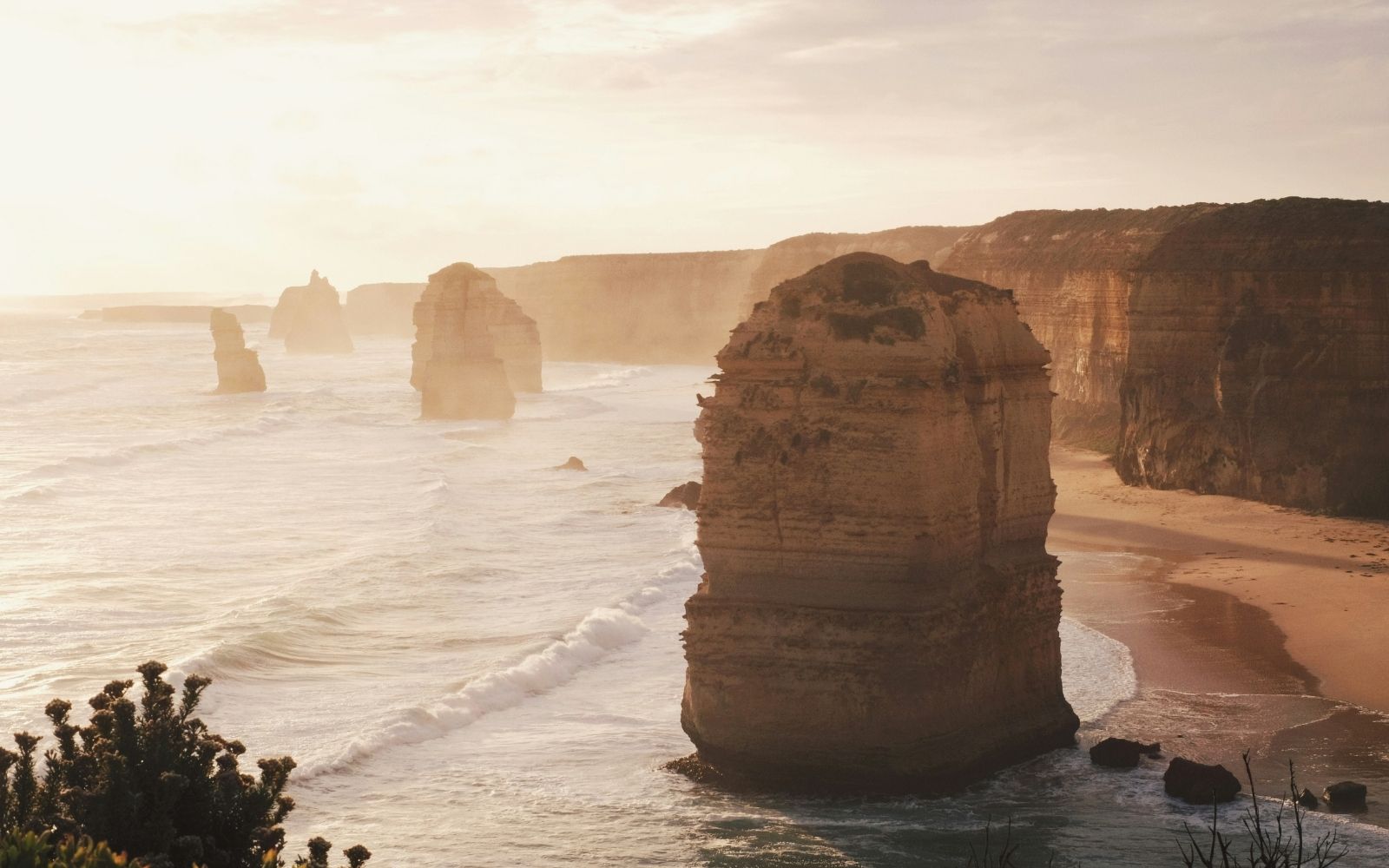
Most people assume the Twelve Apostles were carved purely by wind and waves eating away at coastal cliffs.
A landmark University of Melbourne study has upended that picture entirely, revealing that the Twelve Apostles formation actually began deep beneath the ocean, where tectonic plate movements spent millions of years lifting an enormous slab of ancient limestone skyward.
The research, published in the Australian Journal of Earth Sciences, is the first major geological study of the Twelve Apostles formation since 1944 — meaning the rock stacks have drawn millions of visitors over eight decades without anyone fully understanding how they got there.
Stay up to date with what’s happening in and around Melbourne here.
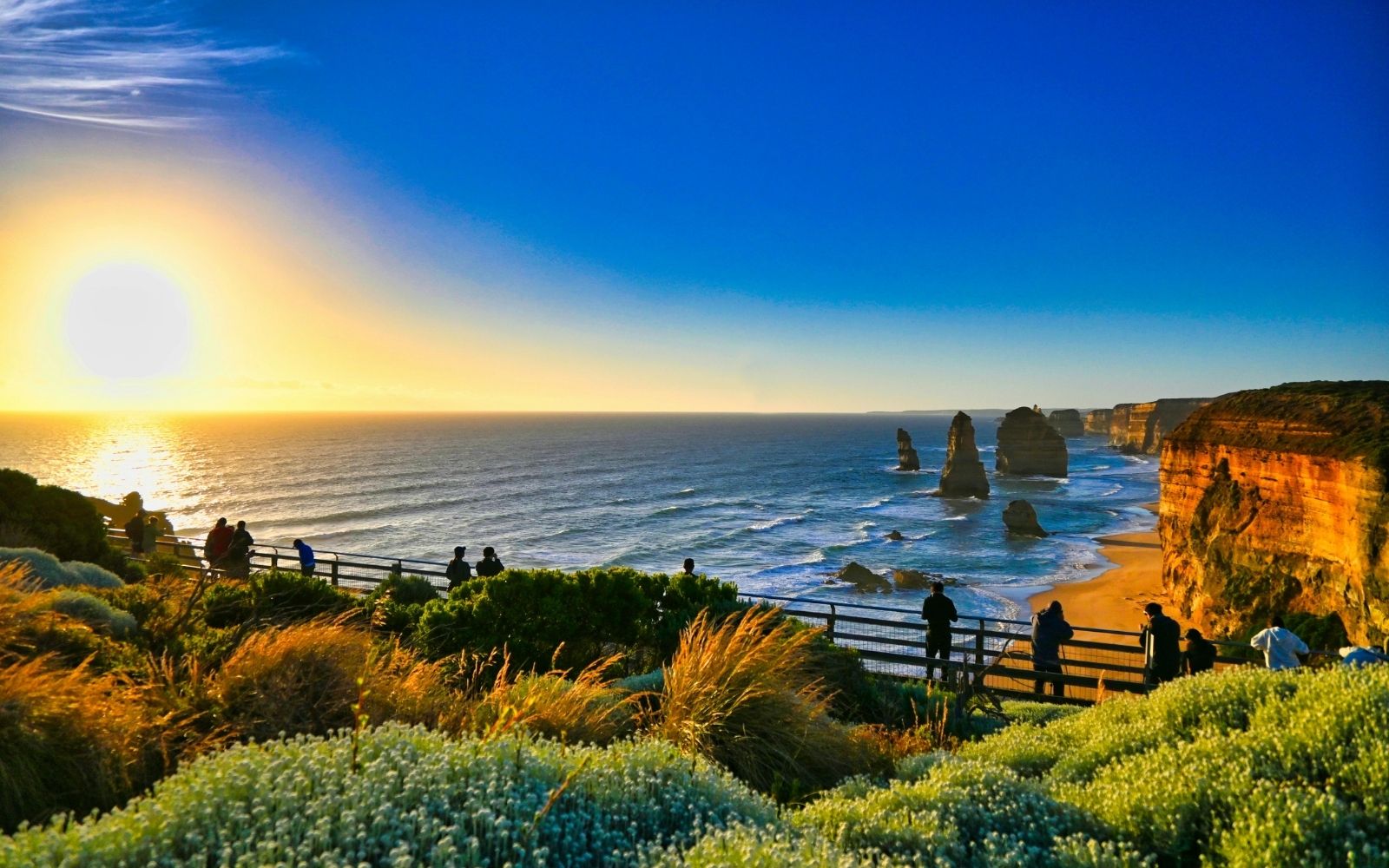
Led by Associate Professor Stephen Gallagher from the University of Melbourne’s School of Geography, Earth and Atmospheric Sciences, the team used microscopic fossils buried within the rock layers to date the structures between 8.6 and 14 million years old. Previous estimates had placed them anywhere between seven and 15 million years old, so the formation is both narrower in age range and younger than geologists had assumed.
The coastal erosion that most visitors associate with the Twelve Apostles only entered the story in the last few thousand years, after the most recent Ice Age, when rising seas and relentless Southern Ocean swells began sculpting the already-elevated limestone into the isolated pillars standing today. Without the tectonic event pushing the rock above sea level in the first place, there would be nothing for the waves to carve.
How tectonic plates shaped the Twelve Apostles formation
The study found that massive tectonic plate movements lifted and tilted the limestone out of the surrounding ocean over an extended geological period. Those movements didn’t push the structures up evenly. The rock layers are visibly tilted by several degrees, and small fault lines — records of ancient earthquakes — can be observed in the cliffs around the Great Ocean Road site.
It was only in the last few thousand years, following the most recent Ice Age, that coastal erosion exposed and carved the towering pillars visible from Port Campbell National Park today.
A 14-million-year climate record along the Great Ocean Road
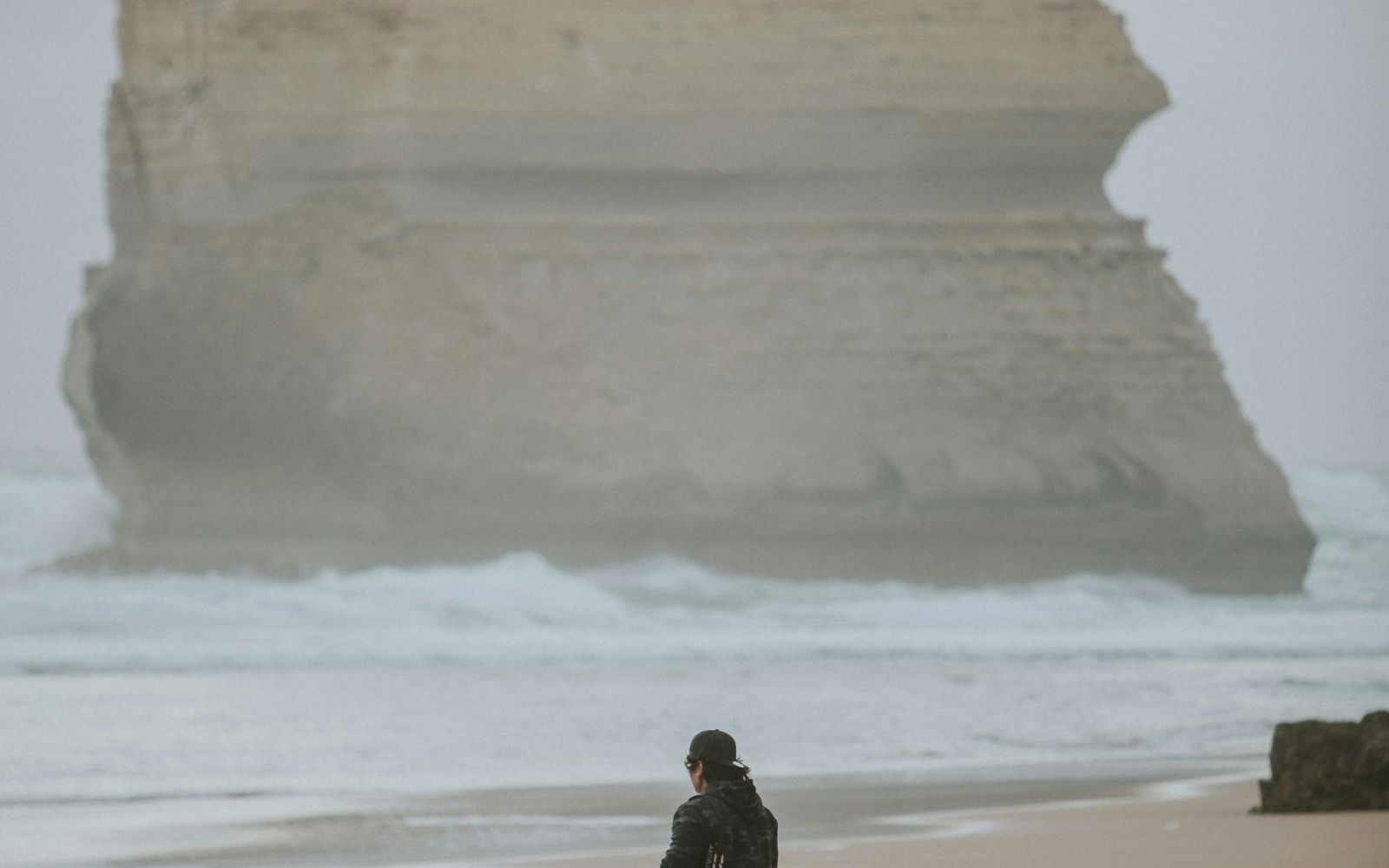
The researchers describe the Twelve Apostles as functioning like an environmental time capsule, with each layer preserving data about Earth’s climate, tectonic activity, plant life and animals across millions of years. One key period captured in the rock is around 13.8 million years ago, when global temperatures were significantly warmer than current levels.
With only eight of the original stacks still standing, the team is working to examine individual rock layers and reconstruct historical changes in climate, ocean conditions and sea levels. The goal is to understand how those ancient processes continue to drive modern coastal erosion along Victoria’s southwest coastline.
The Twelve Apostles formation findings offer a window into where temperatures and sea levels may be heading, making the research relevant well beyond geology circles.
For more information, head here.