The oldest known meteor shower returns to Melbourne's night sky this month
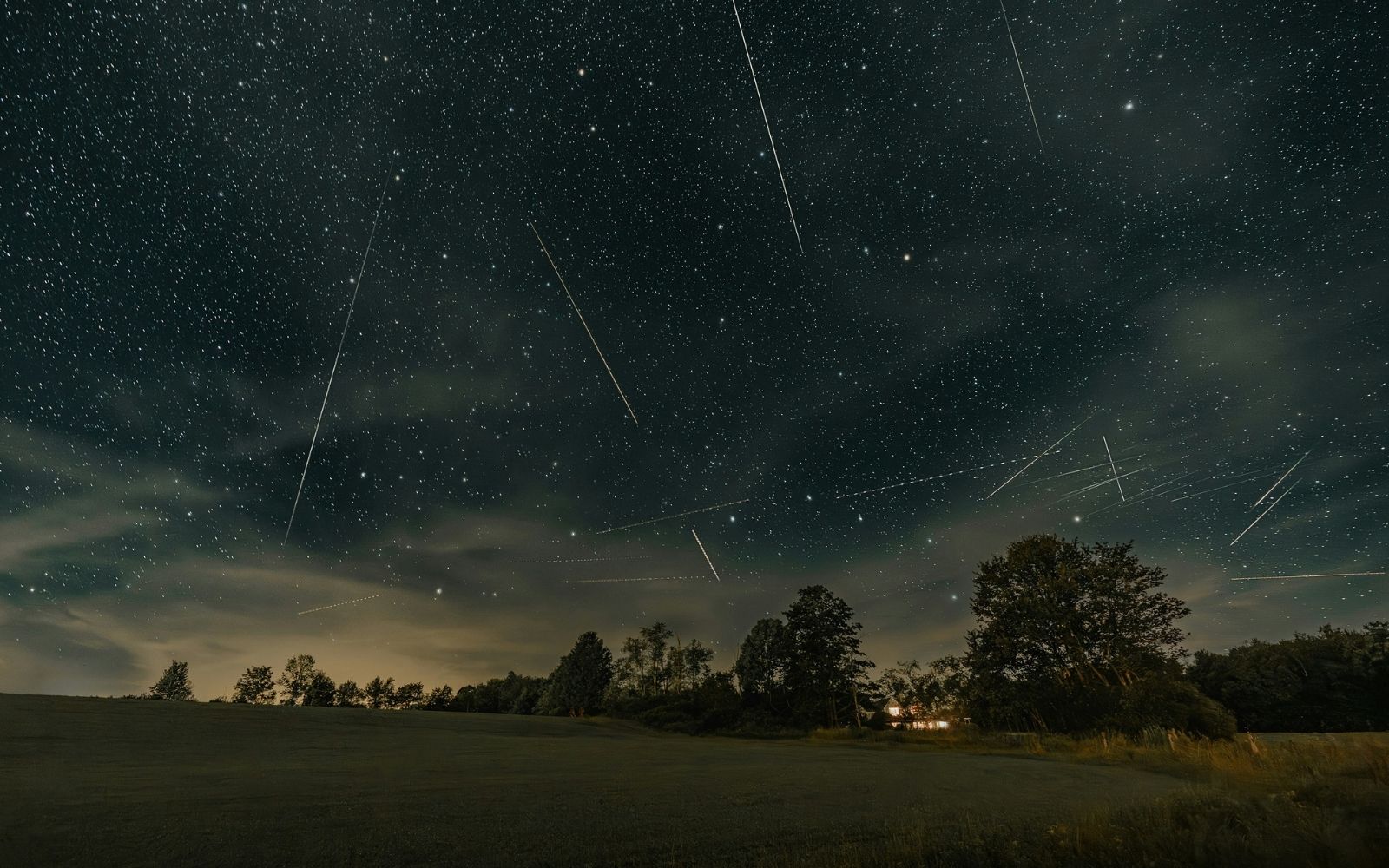
The Lyrid meteor shower peaks over Melbourne on 22 April 2026, offering a chance to catch fast, bright shooting stars streaking across the autumn sky. It is one of the most anticipated annual stargazing events on the calendar.
The Lyrid meteor shower Melbourne event this year arrives under favourable conditions. The moon will be just 27 per cent illuminated in a waxing crescent phase, according to the American Meteor Society, meaning minimal lunar interference for observers willing to rug up and head out before dawn. The predicted peak falls near 20:00 UTC on 22 April, which translates to the early morning hours of 23 April in AEST — making the window between midnight and dawn on that date the sweet spot for Melbourne viewers.
What makes the Lyrid meteor shower special
According to NASA, the Lyrids have been observed for 2,700 years, with the first recorded sighting dating back to 687 BC by Chinese astronomers. That makes them the oldest documented meteor shower still active today. The shower is created by debris left behind by Comet C/1861 G1 (Thatcher), a long-period comet that orbits the Sun roughly every 415 years. Comet Thatcher was last visible from Earth in 1861 and will not return until approximately 2276 — but the trail of icy debris it leaves behind intercepts Earth’s orbit every April.
Under ideal dark-sky conditions, the Lyrids can produce 10 to 20 meteors per hour at peak, with occasional rare surges pushing that figure significantly higher. NASA notes that notable outbursts were recorded in 1803, 1922, 1945 and 1982. No outburst is predicted for 2026.
How to see the Lyrid meteor shower from Melbourne
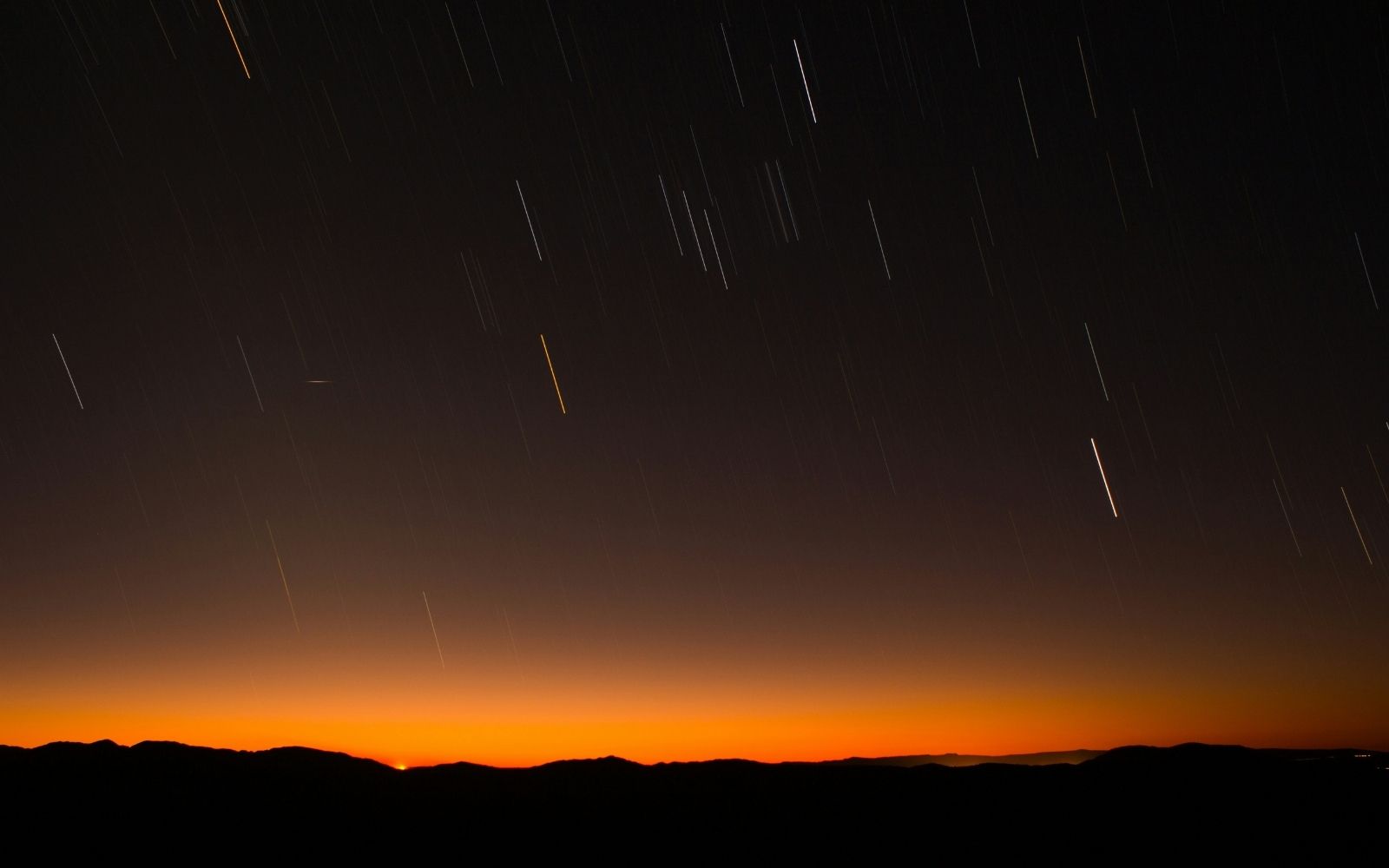
The Lyrids radiate from near the star Vega — the fifth-brightest star in the night sky — in the constellation Lyra. From Melbourne’s latitude in the southern hemisphere, the radiant rises late and stays low on the northeastern horizon, meaning fewer meteors will be visible than from locations further north. The American Meteor Society confirms the shower is visible from the southern hemisphere but at a reduced rate, so patience and genuinely dark skies are essential.
NASA recommends lying flat on your back with your feet facing east, giving your eyes at least 30 minutes to adjust to the darkness. No telescope or special equipment is needed. The meteors are fast and bright and can produce fireballs — exceptionally bright flashes that outshine the planet Venus — though they do not typically leave long glowing dust trains.
Best dark sky spots in Victoria for the Lyrid meteor shower
Melbourne’s light pollution makes inner-city viewing difficult, but Victoria has some excellent dark sky locations within a few hours’ drive. Parks Victoria recommends the Grampians (Gariwerd) National Park for remote, wide-open skies with virtually no artificial light. Wilsons Promontory National Park is another strong option, combining some of the most pristine night skies in the state with dramatic coastal surroundings.
Visit Victoria lists the Leon Mow Dark Sky Site near Heathcote — approximately 1.5 hours north of Melbourne — as the state’s premier astronomical facility, though access is restricted to Astronomical Society of Victoria members. Phillip Island offers uninterrupted dark sky conditions and is well suited to autumn stargazing, when cold, dry air produces clearer skies than the hazier summer months. Snake Valley near Ballarat holds gold-level accreditation on the Australian Dark Sky Register, making it one of the darkest accessible sites in the region.
What comes next for Melbourne stargazers
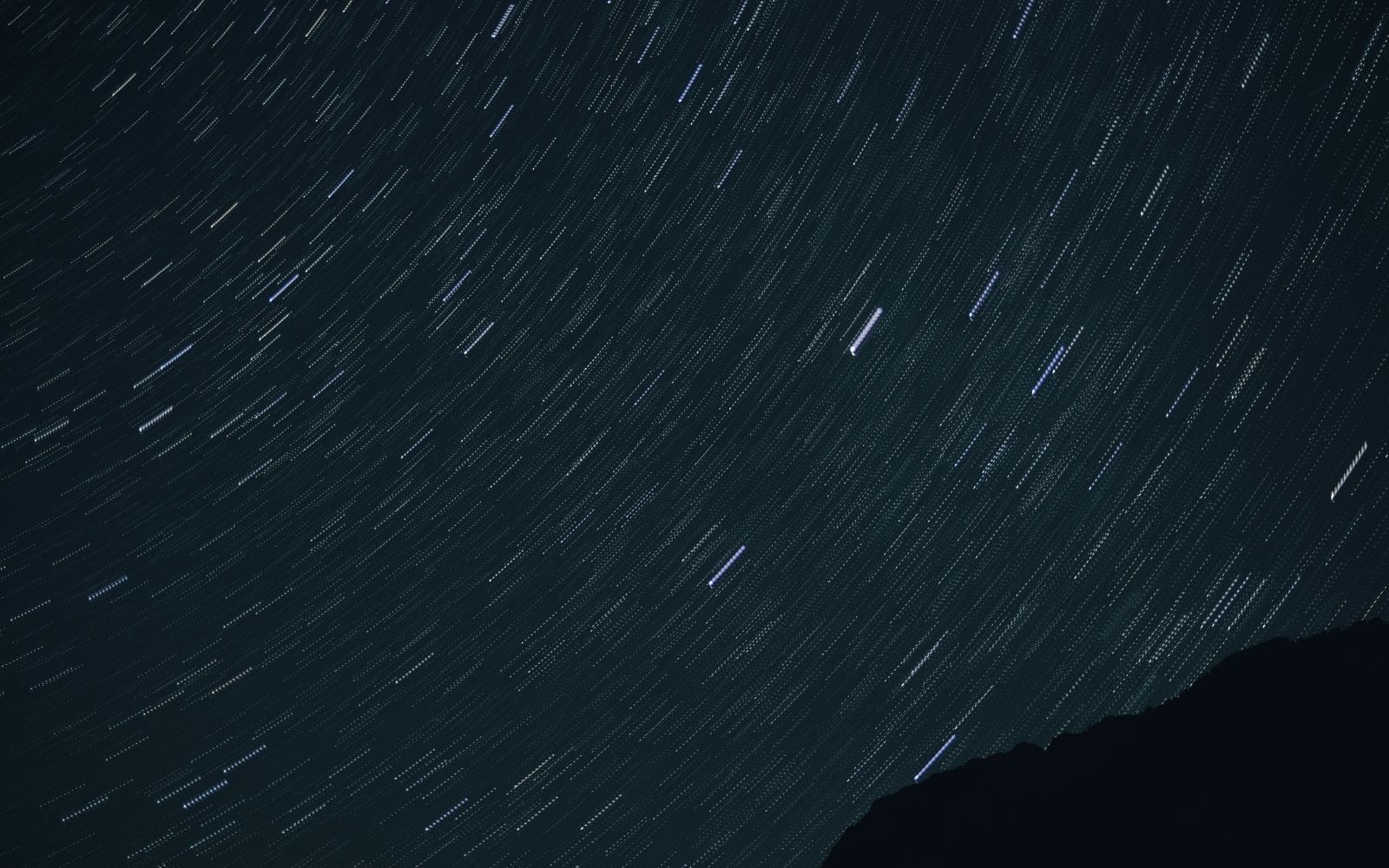
The Lyrids overlap with the early stages of the Eta Aquariids, another meteor shower created by debris from Halley’s Comet. That shower builds through late April and peaks on 5–6 May, though the 2026 edition will be heavily compromised by a near-full moon at 84 per cent illumination.
For the biggest meteor shower of the year from Melbourne, the Geminids in mid-December are the ones to bookmark. The American Meteor Society lists their zenithal hourly rate at 150 — and 2026 conditions are shaping up as excellent, with a waxing crescent moon clearing the way for dark skies.
For more information on the Lyrid meteor shower, head here.