Perhaps it was to do with the extenuating circumstances that affected the tour – in particular, the death of guitarist Omar Rodriguez-Lopez’s mother – but in any case, the band fell silent for another four years. The idea of At the Drive-In making another album was floated, but it had to come at the right time and in the right place. “It was never going to happen overnight,” says Cedric Bixler-Zavala, the band’s lead vocalist and founding member.
“The obvious perspective would be to grow some thick skin and get on with it, but it’s really not that easy. After we had a few therapy-type sessions together, we committed to living together through a whole campaign. We had to put our money where our mouths were.
“We kept writing. Some of it made the album, some of it didn’t, but the ideas were always generating. The only thing that delayed it were those growing pains – for a lot of us, we were getting to know one another all over again. The shows in 2012 were baby steps. We knew that if we got through that minimal amount at that time, we’d be able to make this work.”
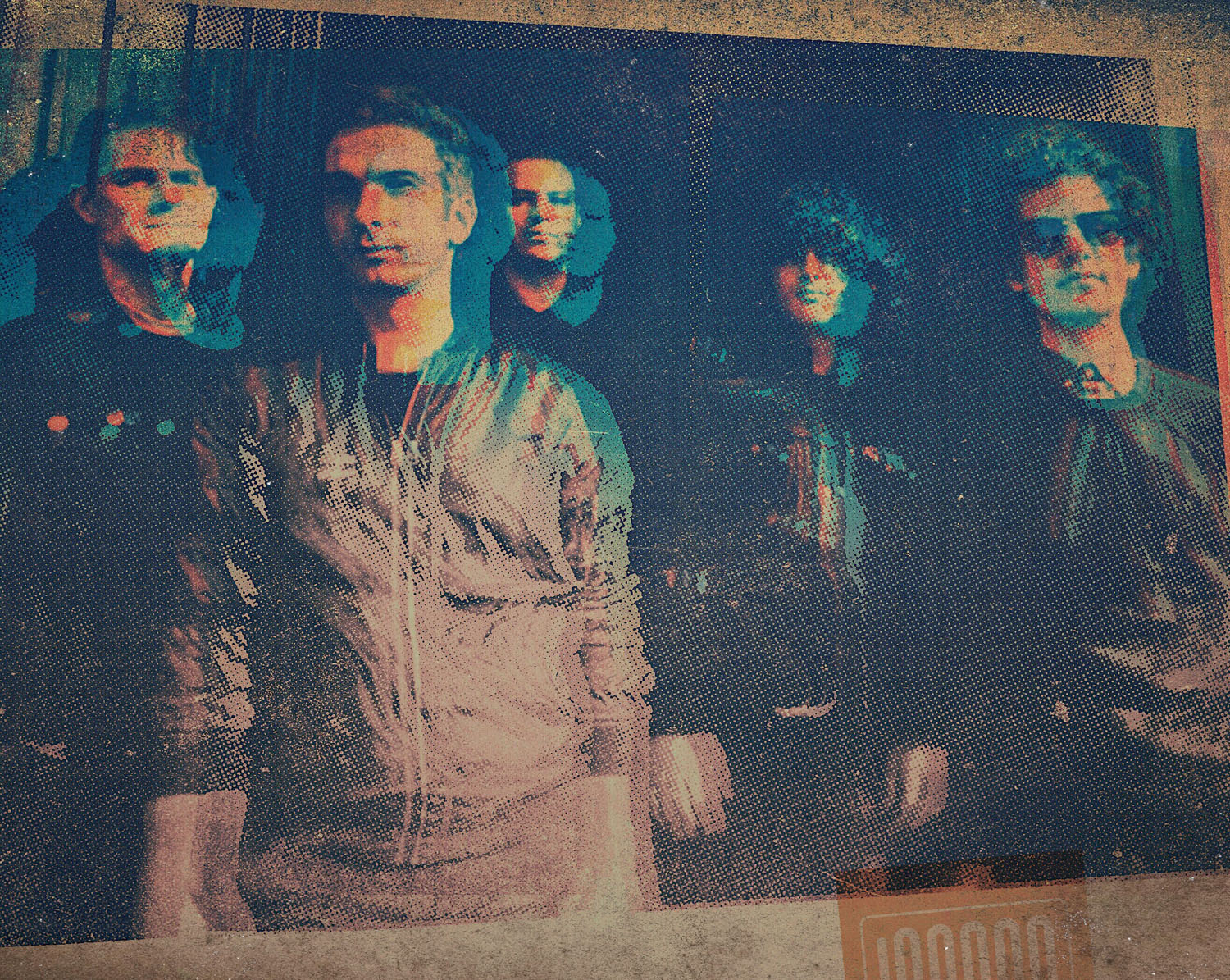
When At the Drive-In returned in 2016, there was a key difference – guitarist/vocalist Jim Ward was not a part of the lineup. Naturally, Ward being out of the picture caused even greater backlash from longtime fans. Bixler-Zavala, however, is quick to point out that not only is this not the first time Ward has left the band; but if he still wanted to be playing in the band, he would be.
“An important thing that a lot of people don’t understand is that, from the first album onward, there were only four of us that stayed through the whole thing,” he says. “There were lots of stretches of time and effort and touring where people like Jim weren’t even there. That’s all through ’97, ’98, ’99… we’d go on tour for six months and he wouldn’t participate. He would come and go.
“The bulk of the work and the chemistry of the band was the four of us, but the bulk of what people know is when he was in the band. When it came to doing this band again, it wasn’t something that he wanted to do. We have the greatest respect for all past members of this band, and there are no hard feelings. With that said, everyone who raised their hand and committed to being in At the Drive-In is what you hear on the record.”
The aforementioned record is in•ter a•li•a, the band’s fourth studio album and first in 17 years. Co-produced by Rodriguez-Lopez and acclaimed engineer Rich Costey, in•ter a•li•a is a rebirth by fire – a boldly-conceptual, energetic album that goes about its business of reclaiming the At the Drive-In name with both force and tact.
For Bixler-Zavala, it’s an album that is both dystopic and deeply personal – a reflection on both fatherhood and the future. “I wanted this album to reflect the point of view of a child stuck in what people like to call the parallel universe coming to fruition,” he says.
“This child has learned that things like language are illegal, as well as equality and free-flowing thoughts that make us cohabitate with each other. They’re living in a war-torn time, in a place they never thought war would come. The child is sifting through the rubble, trying to make sense of it.
“It’s a reflection on the times that we’re living in, but set ahead a few generations where the consequences are truly felt. It’s about our children’s children. I was thinking about it when I was waking up every morning and spending time with my kids. I was reminded of what it was like to colour outside of the lines – that freedom of child’s play before you’re told where the boundaries are.”