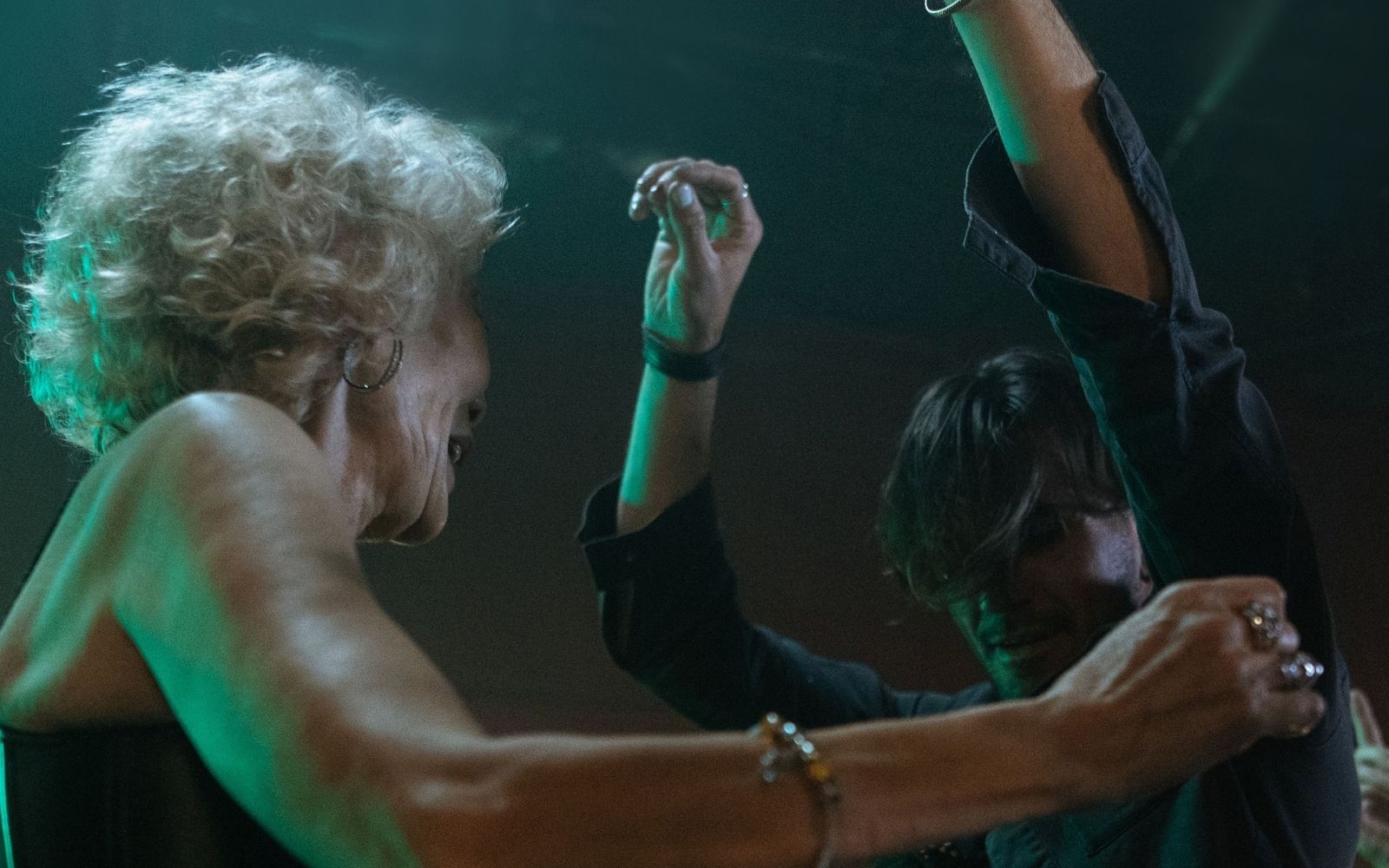
Nobody announces the night they stop going out, which is exactly what Smells Like Ageism wants to know.
Smells Like Ageism is an anonymous international survey from Age Bombs, a Berlin agency and initiative that works on age diversity. It opened on 9 July, costs nothing to complete, and runs in English and German. The survey covers club culture, live music, raves and festivals, and is open to anyone who attends music events as well as anyone who works them, including artists, promoters, technicians, curators and door staff.
Questions cover belonging, exclusion and age stereotypes, along with how age intersects with gender, background, body, health, networks, scene codes and money. Robert Eysoldt, who founded Age Bombs, developed the survey with Dr Tim Kuball, a geropsychologist at Chemnitz University of Technology whose published research covers ageism, intergenerational contact and how people perceive their own ageing. One of Kuball’s earlier studies tracked whether older adults would use free vouchers at cafes dominated by younger customers.
Smells Like Ageism
- Open now, anonymous and free to complete
- Available in English and German
- Open to audiences and to people working across music
- Short one-on-one interviews running alongside the survey
- Findings feed a study due in the northern autumn
Stay up to date with what’s happening in and around Melbourne here.
View this post on Instagram
The broader evidence is thin but pointed. The World Health Organization surveyed 83,034 people across 57 countries and found one in every two holds moderately or highly ageist attitudes. Australian Human Rights Commission research found 90% of Australians agree ageism exists here and 83% call it a problem, while 64% of older Australians say ageism has affected them in the past five years.
Club culture itself has barely been examined. A study published in Psychology of Music in May surveyed 136 women aged 40 to 65 who still attend electronic dance music events. Most reported positives, with 92% saying they felt at home and 91% saying clubbing was good for their wellbeing. Alongside that, 21% said they sometimes felt they should not be there because of their age. Open hostility was rare, with 7% reporting a negative comment, and respondents described feeling less welcome at mainstream clubs and moving towards festivals, raves and free parties instead.
Melbourne has more room to test the question than most cities. The Victorian government counts one live music venue for every 8,915 residents, ahead of Berlin, New York and Austin. Australian Bureau of Statistics figures for 2021-22 show 34.7% of Australians aged 18 to 24 attended a performing arts event, compared with 21.8% of those aged 65 to 75. Age Bombs will publish the results as a study in the northern autumn and present it at conferences and festivals.
For more information, head here.