“Bangarra exists to nurture the transmission of stories, knowledge, histories and experiences of the First Nations people in this country in ways that create understanding, connection and lasting impact”
– Louise Ingram, Bangarra Dance Theatre’s Executive Director and Co-CEO.
Sheltering, Bangarra’s latest triple bill, celebrates the company’s past while also investing in the next generation of First Nations artists by showcasing the work of emerging creatives alongside an established voice. All three works are connected by a common thread: the importance of returning to Country to find yourself.
Stay up to date with what’s happening in and around Melbourne here.
View this post on Instagram
Keeping Grounded – which was choreographed by Bangarra alumni Glory Tuohy-Daniell, an Indjalandji Dhidhanu and Alyewarre woman from North West Queensland and Northern Territory – was first created for Dance Clan 2023.
During her post-show speech, Tuohy-Daniell revealed Keeping Grounded is about “our mental and physical health, and how the energy from the earth is able to keep our bodies at a steady level”. She also revealed that all of the members of her creative team are independent freelance artists.
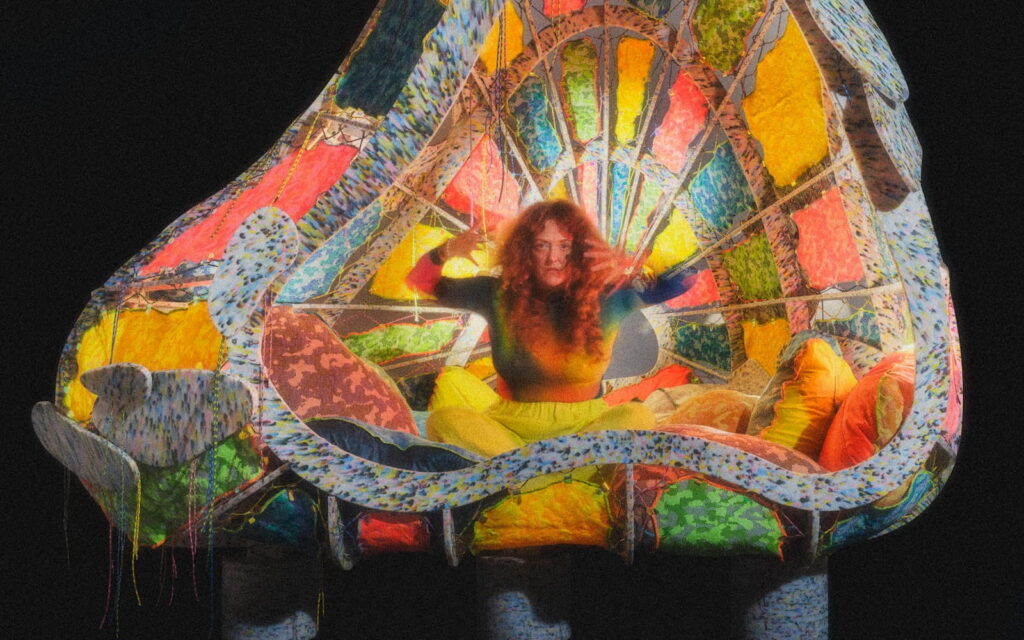
Dyarubbin woman Shana O’Brien’s rope net installation is integral to this work, which depicts a natural landscape, trap or shelter as required. As lights fade in, the giant net is spread out across the stage. We can barely make out the dancers blanketed beneath, who roll and twitch like an evolving landscape.
Once this netting is raised in the air by ceiling pulleys in the fly system, dancers enter and exit through clearly defined holes. They effortlessly move across the net’s raised surface, form shapes using it as leverage and dangle from sections like aerial artists. We can just imagine the daring experimentation that went into choreographing this work. The company’s athleticism, versatility and groundedness is wonderfully showcased throughout.
View this post on Instagram
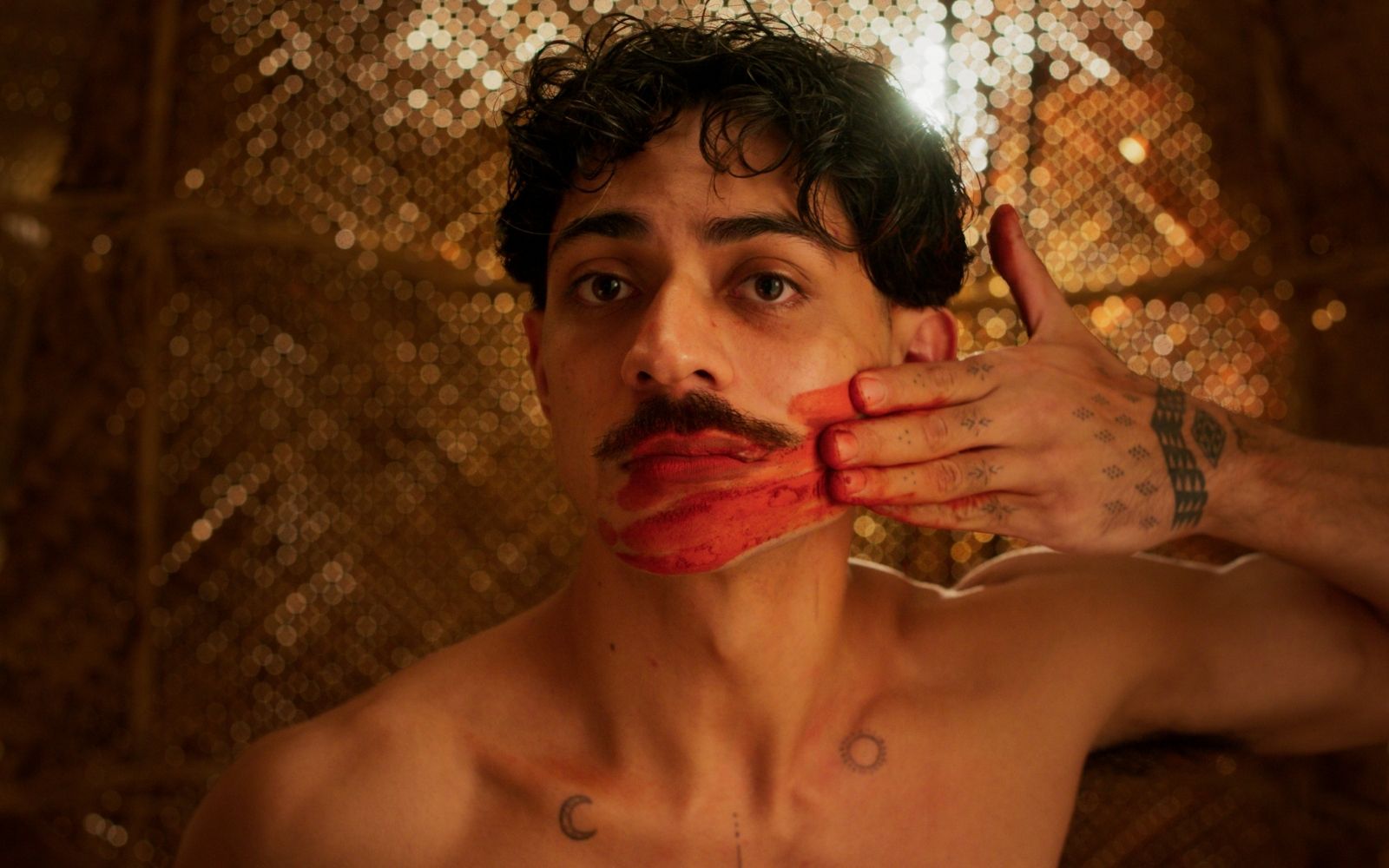
Brown Boys is a short film around six minutes duration, which was first presented as part of Dance Clan 2024. Written, choreographed, performed and co-directed by Daniel Mateo (alongside Cass Mortimer Eipper), Brown Boys blends Mateo’s own poetry, dance and film to create a powerful multi-disciplinary work.
Mateo’s film delves into the experiences of young Indigenous men, exploring identity, belonging and cultural connection. In Tongan culture, the word fonua translates to both placenta (connection to body) and land (connection to country), which inspired Mateo to explore the relationship between human and place.
A Gamilaroi and Tongan man, Mateo is one of nine children – seven boys and two girls. He grew up questioning the statistics stacked against him due to his bloodlines (eg. one in five boys translated to one of his own brothers). According to Mateo, this knowledge made him grow up faster. “It is good to know what is defined for us before we can apply it to ourselves,” he pointed out during his post-show speech.
Director of Photography Liam Brennan uses wide shots to capture Mateo’s long, elegant frame in motion, also utilising closeups – zooming in on just one eye – to heighten intimacy. The final image of Mateo emerging from a mound of dirt, which surrounds him like a floor-length skirt, is both striking and steeped in meaning.
View this post on Instagram
Mateo is a magnetic presence on both stage and screen. He has described Brown Boys as “an offering for brown and black men navigating this space to understand where they come from – their bodies, their truth – and use that as a beacon to come to their future and bring fruition to their body.”
Choreographed by Mirning woman Frances Rings in 2015 (as part of the Lore double bill), Sheoak explores themes of cultural identity, resilience and connection to Country.
In creating Sheoak, Rings has said she was responding to “a time that was very traumatising for our people. The closing of communities, the ignorance of leadership and also the statistics and the numbers that were coming out of our communities that were affecting people.”
The endangered sheoak tree acts as a central metaphor: connection to ancestors. Sheoak branches hang from the flies, are carried by dancers and used as props throughout.
Jennifer Irwin’s stunning black-and-white costumes transform groups of dancers into sculptures as they form human towers to depict Scar Trees.
Frenetic, combative movement represents the fight to protect First Nations culture and Country as restrictions to cultural practices create a cycle of dysfunction.
Sheoak was the final score that the late Roy David ‘Dubboo’ Page composed for Bangarra. He collaborated with Justin Harrington Briggs to create electronic sound beds for each section within this piece: Place, Body and Spirit. Raw, textured and nuanced, these pulsing compositions mix contemporary electronic elements with traditional chanting. Page’s compositions reflect the power and resilience of Indigenous communities. His soundscapes remain the beating heart of Bangarra’s storytelling.
By restaging Sheoak, Rings affords this generation of Bangarra dancers an opportunity to express the ongoing struggles of Aboriginal and Torres Strait Islander peoples. Telling these stories is part of the healing process for dancers and communities alike. Bangarra gives artists, creatives and cultural leaders a platform to create change.
Bangarra Dance Theatre is headed to Venice in July, where they will receive the Golden Lion for Lifetime Achievement In Dance by the Biennale Danza 2026. This honour is a massive milestone since Bangarra is both the first Australian recipient and the first dance company to ever win this award, which is normally presented to individual dancers or choreographers.
Find out more here.