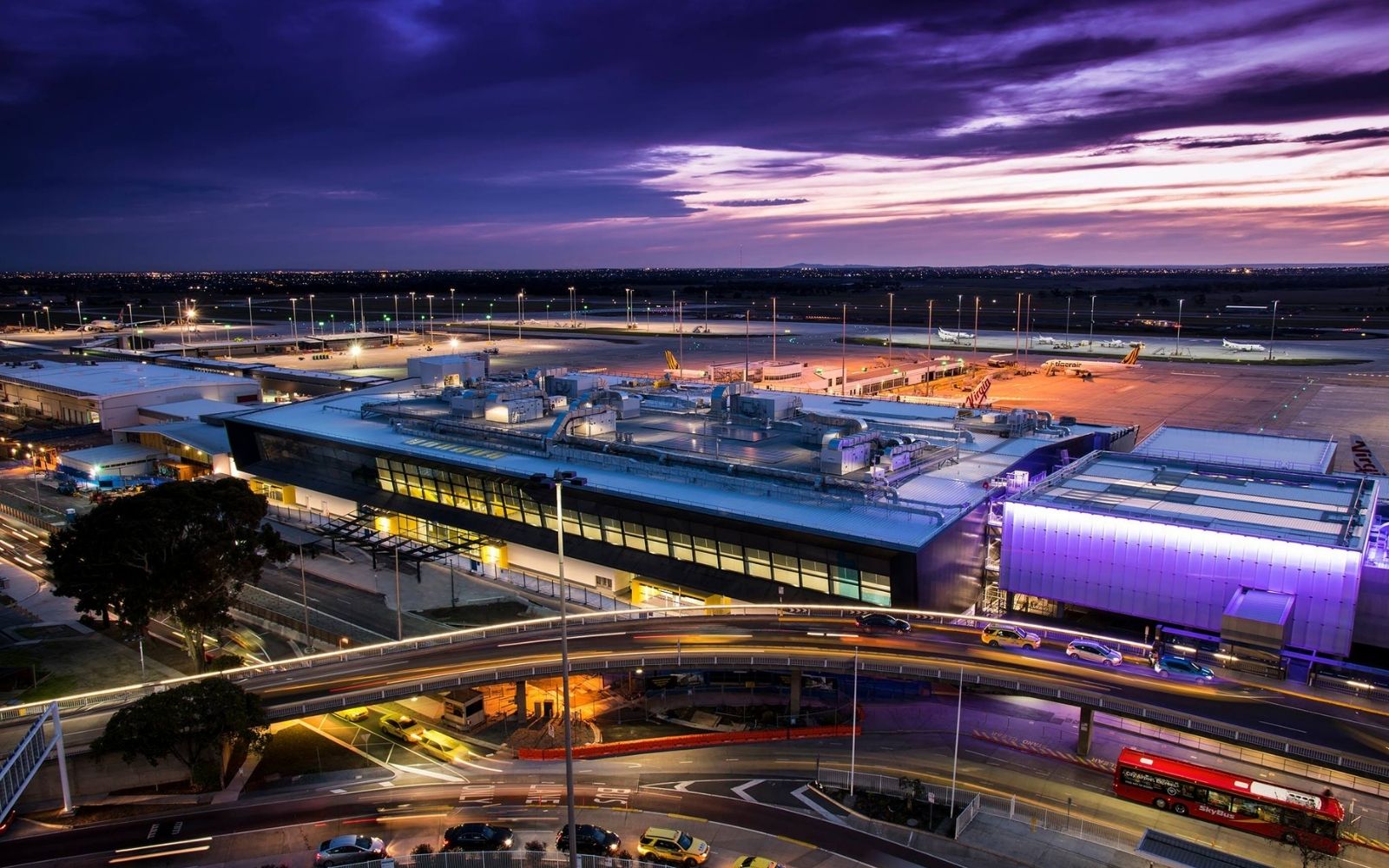
Melbourne Airport has revealed a $4.5 billion international terminal expansion following its busiest summer on record.
Melbourne Airport is tipping $4.5 billion into a sweeping overhaul of its international terminal over the coming years.
The privately funded Melbourne Airport expansion follows a record-smashing summer for international travel. January alone saw more than 1.26 million international passengers pass through the hub — a new all-time high — and existing facilities have been copping the pressure. The staged build will roll out over several years, given the challenges of constructing within a 24-hour operating environment.
Five new gates are being added to the international pier, with room for five widebody or eight narrowbody aircraft. The terminal footprint is also growing, bringing larger check-in halls, extra baggage carousels, more space for border agencies and expanded waiting areas for anyone doing the time-honoured arrivals gate loiter.
Melbourne Airport International Terminal Expansion
- Expanded check-in hall with high-tech, common-use baggage facilities
- Five new aircraft stands for widebody and narrowbody planes
- Larger terminal with improved waiting areas, lounge facilities and retail
- Expanded baggage reclaim with extra carousels and more space for border processing
- Bigger waiting area for meeters and greeters
Stay up to date with what’s happening in and around Melbourne here.
Works are set to kick off once the airport’s new road network and pick-up and drop-off zones in the T123 Transport Hub open in September 2026. That road infrastructure is what allows the terminal to physically push out into the current forecourt, so one project essentially unlocks the other.
The expansion also complements Melbourne Airport’s third runway, due to open in 2031. Together, the two projects are designed to give airlines the capacity to run more flights to more destinations at the times travellers actually want to fly. It’s not the only shift in Melbourne’s aviation landscape either, with Avalon Airport recently launching international flights to Bali via Jetstar.
Melbourne Airport is also calling on the federal government to upgrade border processing technology and facilities, arguing that terminal growth alone won’t fully ease congestion for international arrivals. On the transport front, construction is already underway on the Melbourne Airport Rail Link, with the Sunshine Superhub forming a key piece of the puzzle. The airport estimates that a single average daily international flight contributes roughly $190 million to the Victorian economy each year, with the broader expansion expected to support thousands of jobs across the state.
Melbourne airport calls on federal funding
“As Melbourne grows, demand for air travel is growing too and we are investing billions of dollars to deliver the infrastructure we need to accommodate that,” Melbourne Airport CEO Lorie Argus said. “Increased capacity on our airfield and terminals will allow airlines to schedule more flights to more places, which will give consumers and exporters more choice.
“We’ve spent several months working collaboratively with the airlines to ensure these plans meet their needs, while also delivering an improved experience for our travellers in both arrivals and departures. Our investment in new infrastructure will deliver much needed extra capacity, but it is only part of the puzzle.
“We’re keen to work with the federal government on upgrades to border processing technology and facilities to help further improve the arrivals experience for international travellers.
“With just one average daily international flight worth $190 million to the Victorian economy every year, these investments will help facilitate more services and secure thousands of jobs around the state.”
For more information, head here.