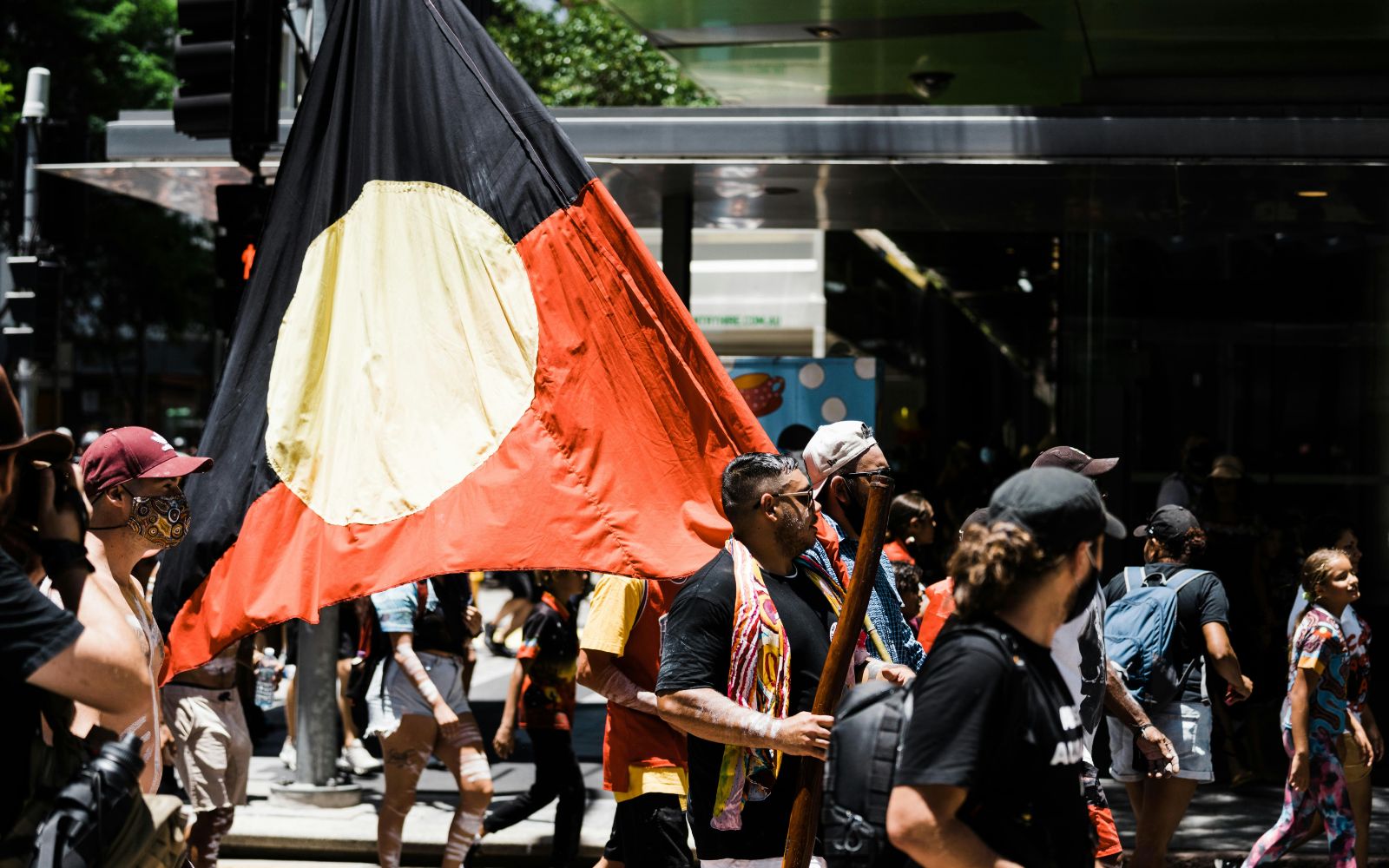
Victoria's Treaty process has hit a significant milestone with finalised negotiations between government and First Peoples.
Australia’s first statewide Treaty Agreement represents a decade of careful groundwork between the Victorian government and First Peoples’ Assembly of Victoria. Built on principles of ‘respect, trust and integrity’, the agreement acknowledges the past while creating pathways for all Victorians to move forward together.
Victorian Parliament will today receive the Statewide Treaty Bill, designed to make the First Peoples’ Assembly of Victoria permanent while expanding its decision-making powers. The negotiated Treaty Agreement awaits parliamentary passage before official signing by both parties.
Under the proposed legislation, the expanded Assembly would gain significant new responsibilities and permanent status. The treaty bill aims to ensure policies and programs work better by giving affected communities direct input into how they’re delivered.
Treaty Agreement – First Peoples’ Assembly of Victoria
Key provisions under the expanded Assembly include:
- Democratic representation through elected First Peoples members
- Decision-making authority on matters directly impacting First Peoples communities
- Independent accountability mechanisms aligned with National Agreement to Close the Gap requirements
- Mandatory government consultation on laws and policies affecting First Peoples
- Leadership of truth-telling and healing initiatives across Victorian communities
- Archive maintenance for educational purposes and public awareness
- Statutory appointment responsibilities for designated First Peoples positions
- Management of Aboriginal Community Infrastructure Fund and Victorian Aboriginal Honour Roll
- NAIDOC Week coordination and leadership
- Development of First Peoples’ Institute for sector leadership enhancement
Stay up to date with what’s happening in and around Melbourne here.
View this post on Instagram
The expanded Assembly would take on democratically elected representation, making decisions about matters directly impacting First Peoples. It would also form an independent accountability mechanism meeting National Agreement to Close the Gap requirements.
Under the treaty, government departments would need to consult the Assembly on laws and policies affecting First Peoples. The Assembly would lead ongoing truth-telling and healing initiatives across Victorian towns and regions, capturing stories and maintaining archives for public education.
Additional responsibilities include making statutory appointments for designated First Peoples’ seats, leading the Aboriginal Community Infrastructure Fund, Victorian Aboriginal Honour Roll and NAIDOC Week celebrations. The Assembly would also develop a First Peoples’ Institute to enhance leadership capability across the sector.
Victoria’s journey toward Treaty spans nearly a decade of legislative development, policy creation and government commitments. Strong foundational work has prepared the state for this historic agreement, representing genuine partnership between First Peoples and government structures.
Community-led decision making forms the treaty agreement’s core philosophy, ensuring those affected by policies have meaningful input into service delivery and program development. This approach recognises First Peoples’ expertise in addressing challenges within their own communities.
For more information, head here.