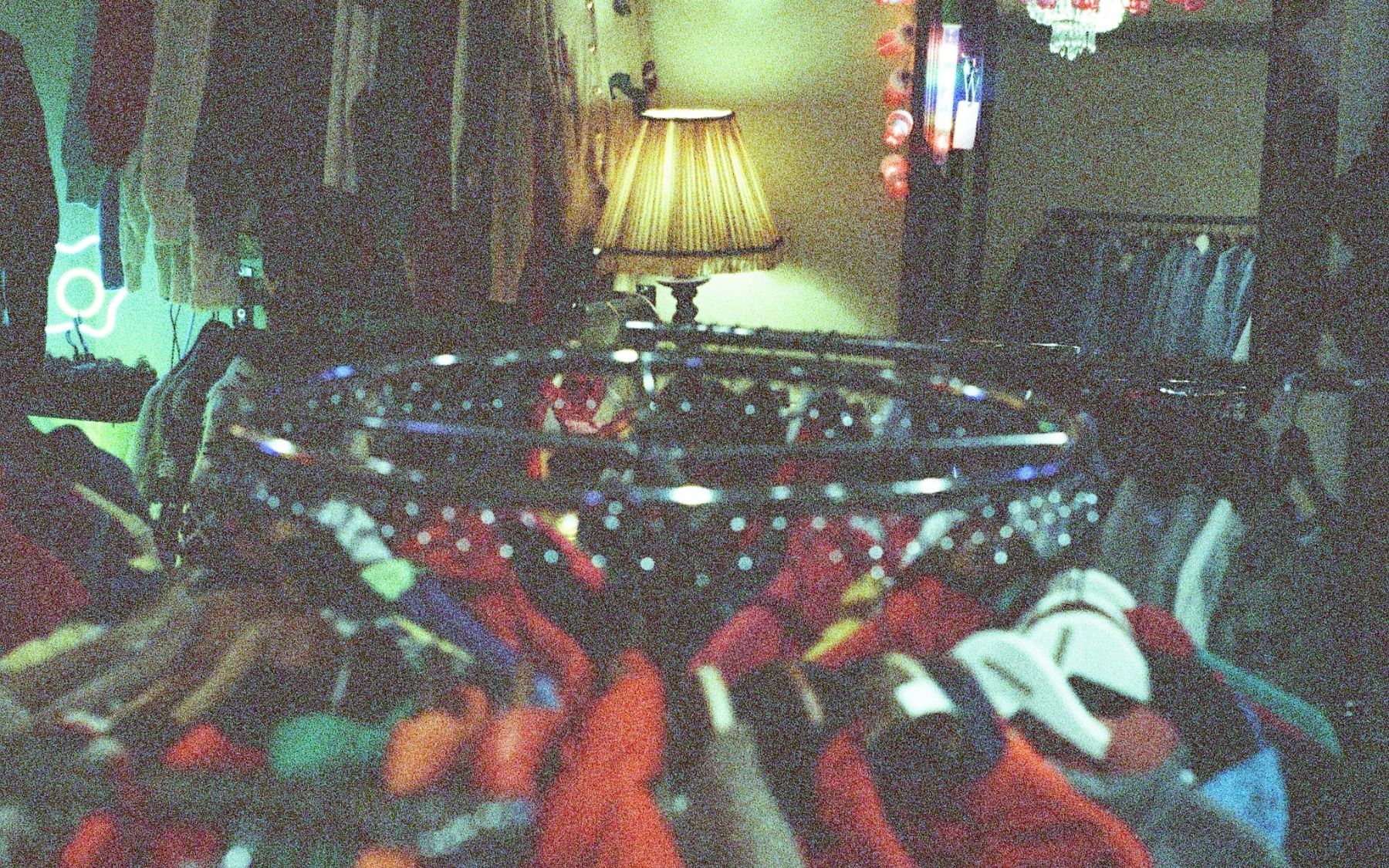
The City of Darebin has launched a Preloved Clothing Trail mapping op shops across five northern suburbs in Melbourne.
Australians send around $500 million worth of fashion clothing to landfill each year, with more than 95 per cent able to be recycled or reused. City of Darebin’s new Preloved Clothing Trail offers a solution by guiding residents to local op shops and pre-loved stores across Melbourne in Reservoir, Preston, Thornbury, Northcote and Fairfield.
Fashion contributes to around 10 per cent of global greenhouse gas emissions through long supply chains and energy-intensive production. Textiles rank as the most carbon-intensive material per tonne, meaning small changes in shopping habits can create significant environmental impact.
Melbourne – Preloved Clothing Trail
- Available now across Darebin suburbs
- Covers Reservoir, Preston, Thornbury, Northcote and Fairfield
- Free guide to local op shops and pre-loved stores
- Find the map here
Where to donate, sell and recycle
- Facebook Marketplace
- eBay
- Depop
- Mutual Muse – consignment store for second-hand clothing
- Use-Ta – consignment store for pre-loved items
- Good Karma Network – online platform for giving away unwanted clothes
- Dress For Success – program helping women experiencing disadvantage find and keep work
- Fitted For Work – program supporting women experiencing disadvantage with employment
- Shoes For Planet Earth – non-profit providing reused running shoes to those in need globally
- Upparel – service that reuses, upcycles or recycles unwanted textiles
- Tread Lightly Footwear Recycling Initiative – accepts pre-loved sports shoes at participating retail stores
- Darebin Repair Cafe – workshops for mending and repairing clothing
Stay up to date with what’s happening in and around Melbourne here.
View this post on Instagram
Before buying new clothes, Darebin suggests asking whether you really need the item, if you can rent or borrow instead, and how often you’ll actually wear it. Renting works particularly well for one-off events like weddings, with online platforms connecting people to lenders for special occasions.
Cost matters too, according to Darebin. A $10 shirt probably signals low quality fast fashion that won’t last long before heading to landfill. One useful quality test is considering how much you’d want to be paid to make the item yourself.
For those still buying new, the council recommends checking ethical and environmental considerations to reduce impact. Questions worth asking include whether makers were paid and treated fairly, where the clothing was manufactured, and whether it uses natural fibres like cotton, bamboo, wool or denim versus fossil fuel-based options like polyester and nylon.
Darebin outlines multiple pathways for unwanted clothes beyond landfill. Online platforms like Facebook Marketplace, eBay and Depop enable selling, while consignment stores such as Mutual Muse and Use-Ta offer alternatives. Donations can go to friends, family or local Darebin op shops, with programs like Dress For Success and Fitted For Work helping women experiencing disadvantage find employment.
The council suggests upcycling to transform old clothes into new items or alternative uses. Services like Upparel accept unwanted textiles for reuse, upcycling or recycling, while the Tread Lightly Footwear Recycling Initiative takes pre-loved sports shoes at participating retail stores. Natural fibre clothes at end of life can go in home compost, with everything else belonging in general waste.
For more information, head here.