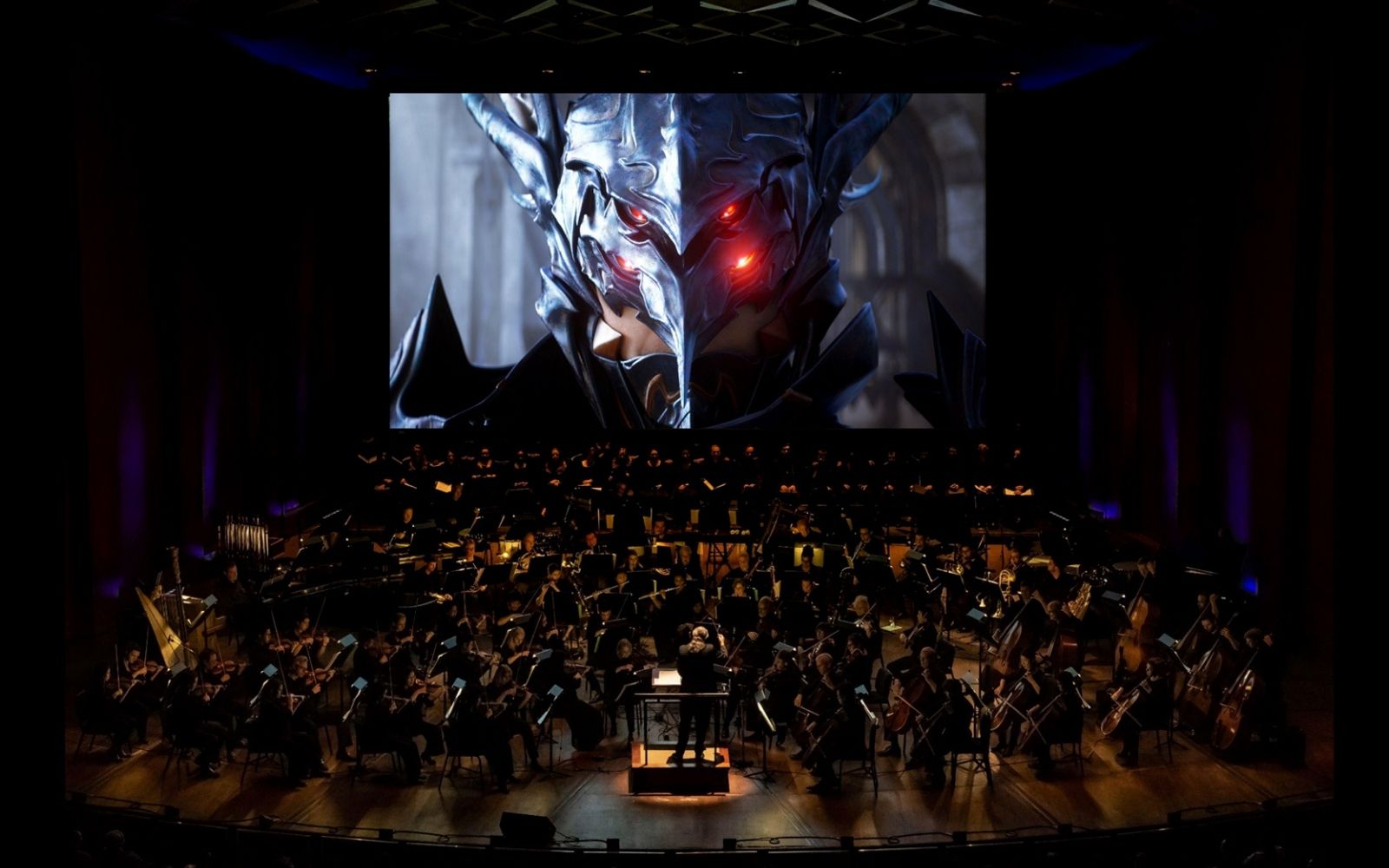
Distant Worlds: music from Final Fantasy is returning to Melbourne with four orchestral performances dedicated to the 25th anniversary of Final Fantasy X.
The concert series — which pairs full symphony orchestras with HD game footage and has been touring globally since 2007 — will take over Hamer Hall across 23–25 July, conducted by Grammy-winning maestro Arnie Roth alongside the Melbourne Symphony Orchestra and Chorus.
The centrepiece this time around is Final Fantasy X, the 2001 instalment that introduced full voice acting to the franchise and remains one of the series’ most beloved entries. Japanese vocalist RIKKI, who recorded the original version of Suteki da ne for the game’s soundtrack, will perform live in Australia for the first time.
Distant Worlds: music from Final Fantasy
- When: 23 July, 7.30pm / 24 July, 7.30pm / 25 July, 1pm / 25 July, 7.30pm
- Where: Hamer Hall, Arts Centre Melbourne
- Tickets: Waitlist presale from 20 February at 10am, general on sale 25 February at 10am
Stay up to date with what’s happening in and around Melbourne here.
View this post on Instagram
The Melbourne dates will also feature the world premiere concert performance of Thunder Plains, a piece from Final Fantasy X composed by Masashi Hamauzu. Hamauzu himself will be in attendance for the performances, making it a significant moment for the franchise’s global concert history. Other confirmed pieces from Nobuo Uematsu’s score include Hymn of the Fayth/The Sending and Zanarkand.
Distant Worlds has been the flagship orchestral concert series for Final Fantasy music since its debut in Stockholm in 2007. Roth has led the production across hundreds of sold-out performances worldwide, working closely with Uematsu and Square Enix to expand the repertoire with each touring cycle. The series typically draws from across the entire franchise, but this Melbourne run is zeroing in on Final Fantasy X to mark a quarter-century since its original PlayStation 2 release.
Uematsu composed the bulk of the Final Fantasy X soundtrack, with Hamauzu and Junya Nakano contributing additional pieces. The game’s score is widely regarded as a turning point for the series’ musical identity, blending orchestral arrangements with Okinawan folk influences — most notably on Suteki da ne, which RIKKI performed in a style drawing on her background in traditional Okinawan music.
For more information, head here.