“I just picked it up one day out of curiosity and plugged in a few pedals and that developed over time until I had my own thing, which is something I always wanted – my own sound. It just felt very natural.”
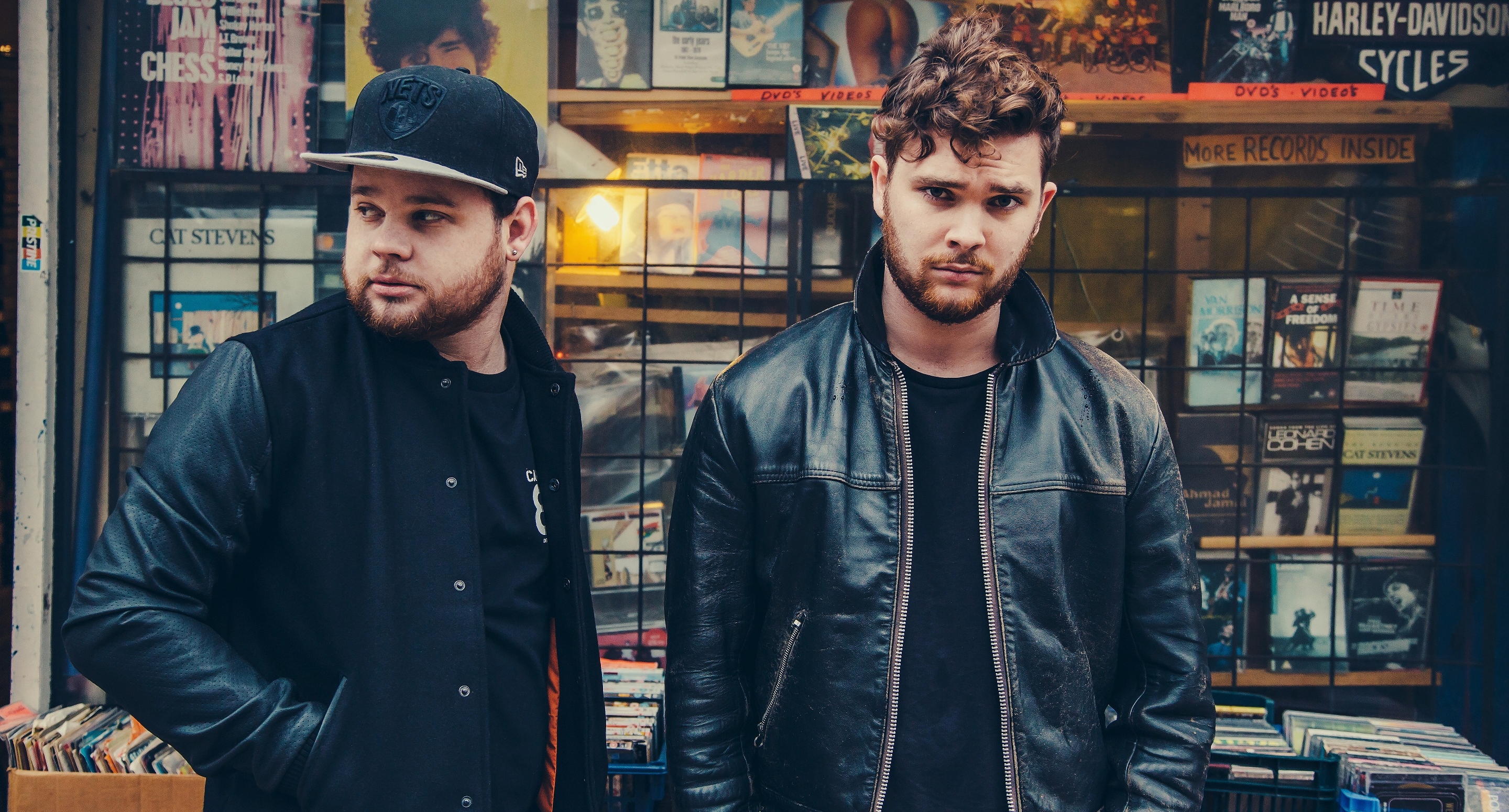
2014’s been a mammoth year for Royal Blood. They’ve sold out shows all over the world, supported Arctic Monkeys, The Pixies and Interpol and appeared on the main stage at just about every UK and European summer festival. It’s remarkable to think that 12 months ago the band was basically unknown. If we look back one year further than that, Kerr was actually living in Australia and music wasn’t his number one vocation.
“I was mainly working as a chef on the Gold Coast. I somehow ended up on the Gold Coast amongst my travels. I didn’t do that much music really. It was mostly leisure and work.”
Soon upon arriving back in his hometown of Brighton in southern England, he teamed up with his old mate Ben Thatcher and the pair got to work on Royal Blood. While Kerr had conceived of the idea for the band when living in Australia, Thatcher’s ballsy drumming was integral in bringing his vision to life.
“I certainly had my sound kind of developed, but the band didn’t really start until Benjamin joined up. There were ideas I had floating around, but we did so much songwriting when I got back. It was almost like I’d already cut my teeth and we had better and bigger things to do.”
Since day one, Royal Blood’s two-piece constitution has prompted regular comparisons to The Black Keys and the White Stripes. However, looking past the number of personnel to pay attention to the music itself, Queens of the Stone Age, Led Zeppelin and Pantera seem like more accurate reference points. Either way, when Kerr and Thatcher got together, they didn’t draw up a list of bands they wanted to resemble.
“There wasn’t really any planning or any conversation. We just got in a room together and made music that we wanted to hear. There was no dialogue or agenda. There’s no plan like no plan.”
As mentioned, Royal Blood’s self-titled debut album lands this weekend. It’s ten tracks of in your face riffing and pounding beats, topped off by Kerr’s nimble melodic panache. At this stage they continue to be rather incongruously categorised alongside the Black Keys and the White Stripes. However, Kerr believes the record will effectively demystify this impression.
“Having the opportunity to put a full-length out, there’s no longer simply four examples of our music, which is perhaps much easier to pigeon-hole. [On] this record, those songs really settle into a body of work that I think establishes our sound totally. We’ve drawn further away from those, what I would consider, lazy comparisons.”
Royal Blood’s rise to prominence began last November when their debut single Out of the Black (and it’s B-side Come On Over)invaded radio playlists around the globe. The public fervour grew more intense with the release of their second single Little Monster this February. While it might’ve been tempting to present an entirely new set of songs, all three of these tracks show up on the album.
“Why would we not put Little Monster and Out of the Black on our debut record when they’ve become so well-received in our country and other countries and turned into these songs live that we never even realised they were? To exclude songs like that off the record is bonkers. That’s something that we were never going to do.”
The band’s rapid ascent to widespread popularity means the album had to be pieced together during momentary gaps in the touring schedule. Even so, Kerr says they were fully prepared before jumping into the touring circus.
“We spent about six or seven months writing before we went out and did shows. We’ve only really been on the road for six to eight months. We dedicated a long period to writing before we got out there.”
Much like Royal Blood’s high-intensity live show, the 30-minute LP doesn’t outstay its welcome. Kerr says the primary aim was to make it a no-nonsense declaration of what they’re about.
“This record didn’t have a running theme. We weren’t trying to make OK Computer. We were just trying to accurately capture the sound of the band and establish who we are. We didn’t want to contrive it in any way. The whole idea was just for the record to be the best, strongest ten songs that we could write.”
BY AUGUSTUS WELBY