Nam June Paik: Moon Is the Oldest TV screens at NCM with curator talk this September.
Ever wondered how we ended up doom-scrolling through endless feeds on our phones? Nam June Paik saw it coming decades ago.
The Korean-American artist, widely hailed as the father of video art, predicted our current digital reality with startling accuracy back when most people still had rabbit ears on their tellies.
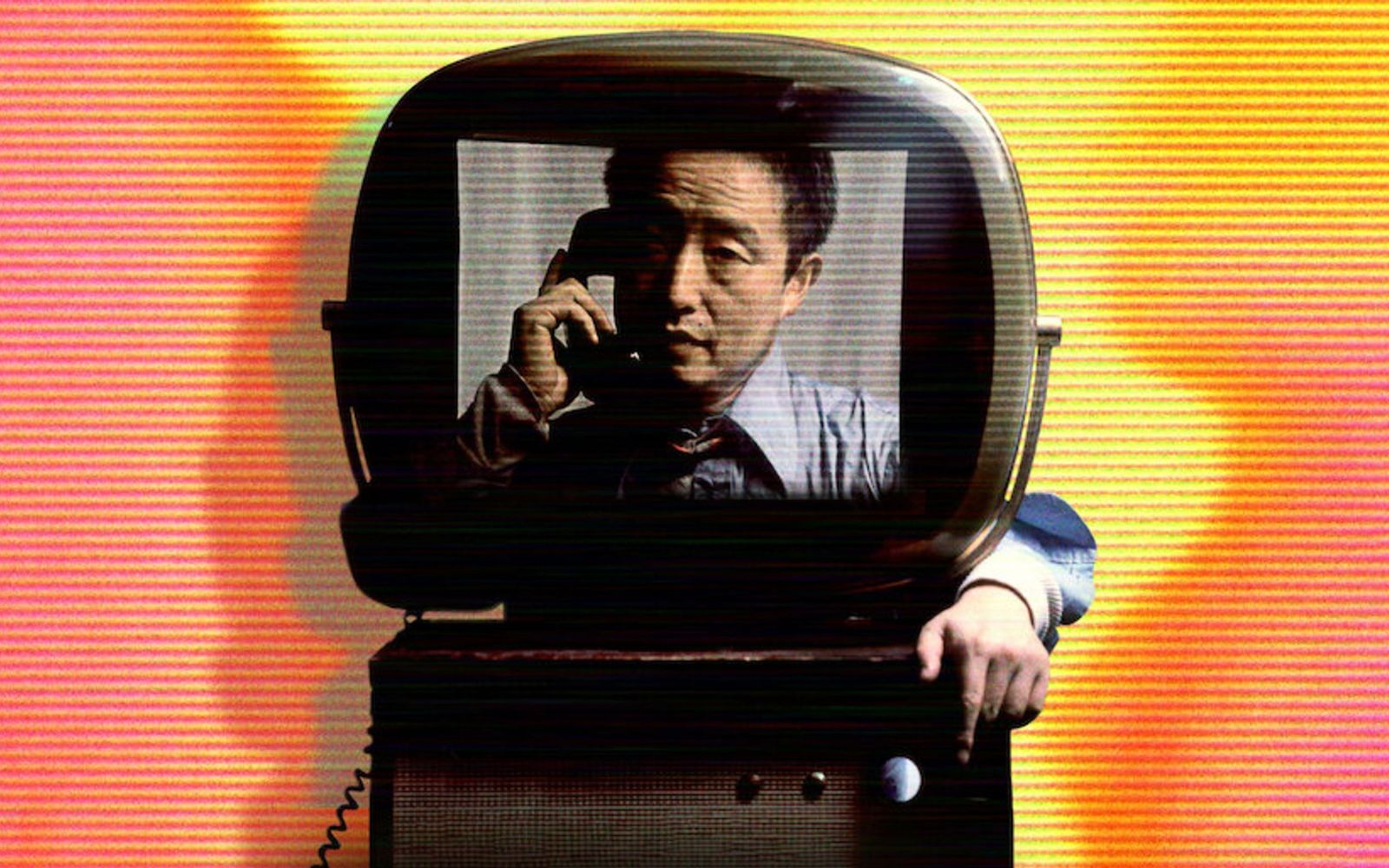
Director Amanda Kim’s documentary Nam June Paik: Moon Is the Oldest TV explores how this visionary artist anticipated everything from personal TV channels to the electronic superhighway we now call the internet. Paik didn’t just predict these technological shifts – he warned about them too, foreseeing that our connected future wouldn’t be the information utopia many imagined in the 1990s.
Nam June Paik: Moon Is the Oldest TV
- Where: NCM Seminar Room
- When: 13 September, 2.30pm–4.45pm
- Cost: Free with museum entry, bookings required
- Runtime: 109 minutes
- Classification: Unclassified (15+)
- Director: Amanda Kim
- Narration: Steven Yeun
Stay up to date with what’s happening in and around Melbourne here.
Starting with a talk from NCM’s Senior Curator Jemimah Widdicombe, this screening dives deep into Paik’s revolutionary work and his uncanny ability to see where technology was heading. The documentary traces his meteoric rise through New York’s art scene, showcasing iconic pieces like TV Buddha and Electronics Superhighway that used television as both medium and message.
Perfect timing too – you can catch Paik’s famous video sculpture Internet Dream in NCM’s Signal to Noise exhibition until 14 September. This immersive installation feels particularly relevant today, as we navigate the very digital landscape Paik envisioned.
Born in 1932, Nam June Paik fled war-torn Korea for Germany, eventually landing in New York where he became a pivotal figure in the Fluxus movement. His work bridged Eastern and Western cultures while exploring how technology shapes human connection. Paik transformed televisions from passive entertainment devices into active art objects, creating installations that challenged viewers to think differently about media consumption.
For more information, head here.