Melbourne is part of Victoria's first major subsea fibre optic cable, connecting the state directly to the global communications network.
Australian telecommunications company SUBCO is laying more than 5,000 kilometres of fibre infrastructure as part of the Sydney-Melbourne-Adelaide-Perth system, known as SMAP. The project includes both undersea cables and land-based networks, with two new subsea cable landing points being established in Torquay.
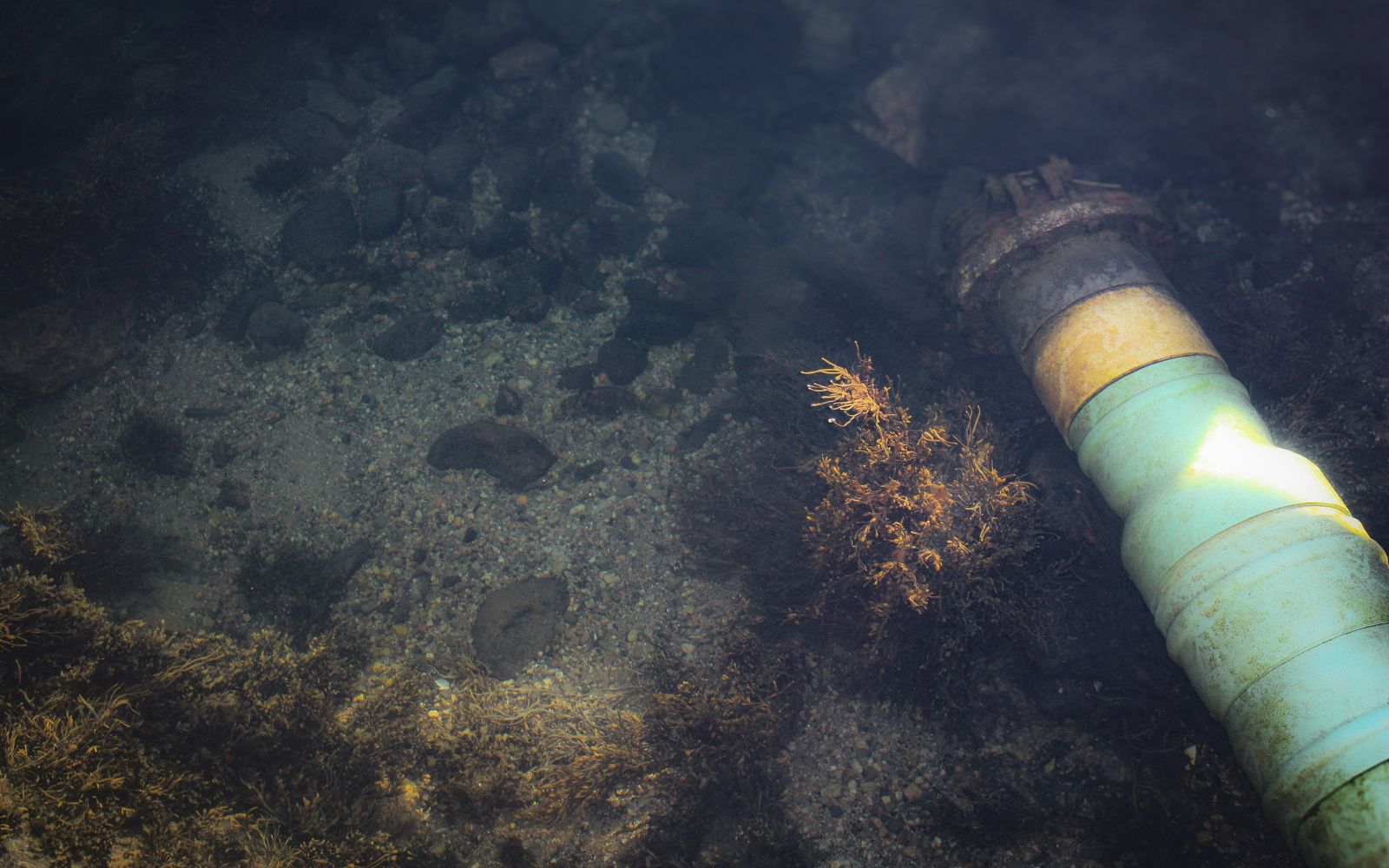
World’s largest data-cable ship Ile d’Yeu arrived in Victoria to begin laying the fibre cable—about the diameter of a 50 cent piece—on the sea floor. Once operational, the SMAP system will provide a total data transfer capacity of 400 terabits per second, roughly equivalent to downloading 50,000 films simultaneously.
SMAP Subsea Fibre System – Melbourne
- Two cable landing points in Torquay
- New fibre network along Melbourne-Geelong rail corridor
- Expected completion: first half of 2026
- Total capacity: 400 terabits per second
Stay up to date with what’s happening in and around Melbourne here.
SMAP will connect Australia’s east and west coasts through Victoria, linking directly to international markets including the United States, Singapore and India. Data centres form the backbone of technologies like AI and cloud services, and the new infrastructure is designed to support that growing demand.
Beyond commercial applications, the system aims to strengthen disaster resilience by reducing reliance on existing fibre routes. During major natural disasters, critical infrastructure including transport, emergency operations and government communications could maintain connectivity even if other networks fail. Victoria’s recent experience with bushfires and floods makes redundancy in communications infrastructure increasingly relevant.
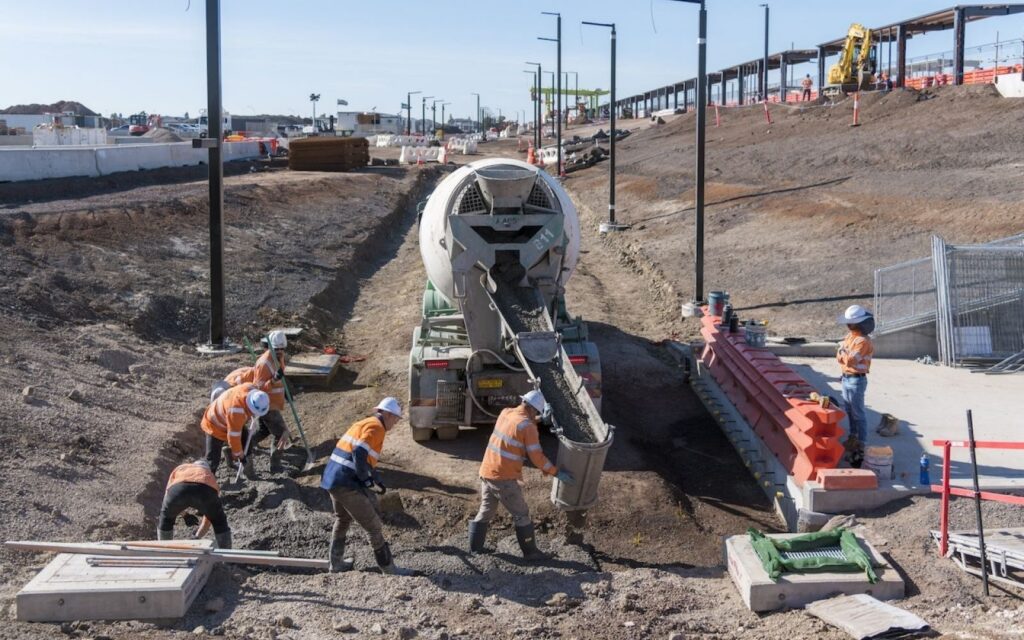
SUBCO is partnering with VicTrack to construct the new fibre network along the Melbourne-Geelong rail corridor. This connection will link Geelong to Melbourne’s CBD while boosting V/Line’s operational capacity, with flow-on benefits for commuters across the rapidly growing Geelong region. Construction is already underway on this section.
SUBCO is investing more than $500 million to deliver the project, with the Victorian government contributing $4 million toward the Melbourne-Geelong rail corridor link. That relatively small government investment leverages substantial private sector infrastructure development.
Subsea cable systems typically have lifespans of 25 years or more, making this infrastructure investment one that will serve Victoria’s connectivity needs well into the 2050s. As data demands continue escalating; driven by streaming, cloud computing, AI applications and technologies not yet invented, having direct international connectivity rather than relying on routes through other states becomes increasingly valuable.
Torquay’s selection as the cable landing site reflects both technical requirements for subsea cable infrastructure and the town’s proximity to Geelong’s growing tech sector. Cable landing stations require specific geological conditions and protected locations where cables can safely transition from ocean floor to land-based networks.
Completion is expected in the first half of 2026, at which point Victoria will join the small number of locations globally with direct subsea cable connections to major international data routes.
For more information, head here.