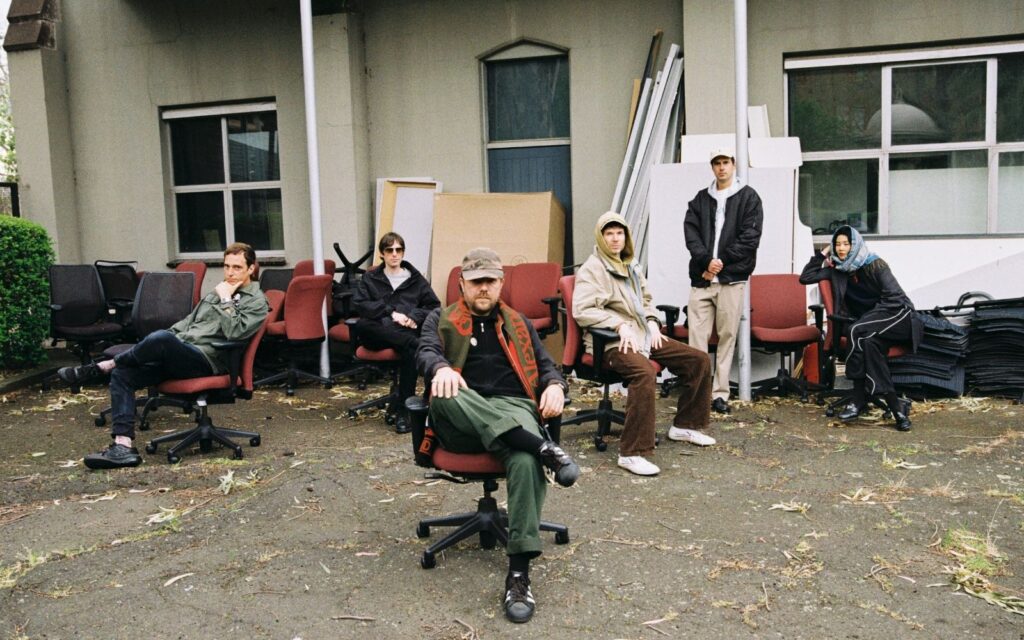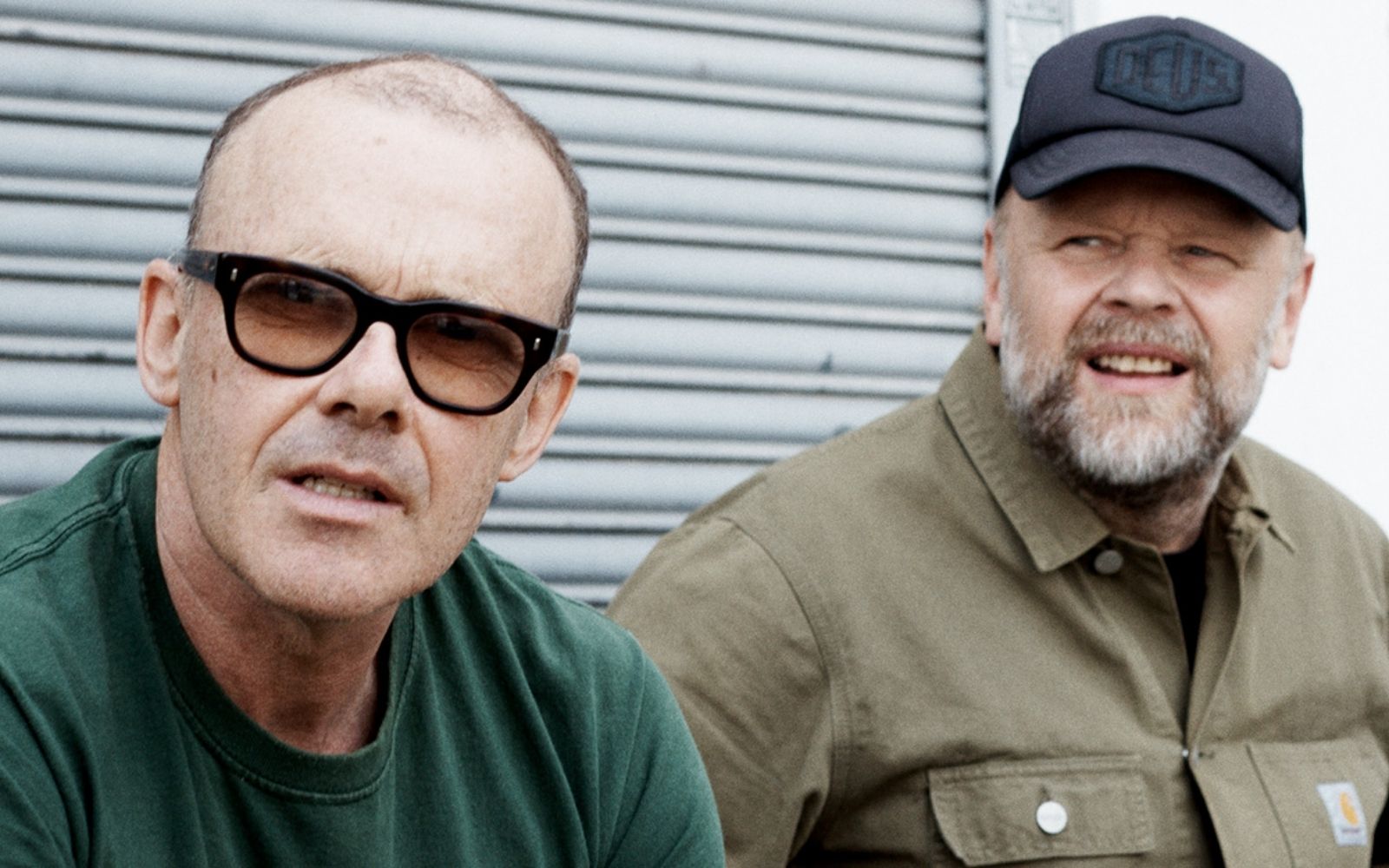
UK dance music innovators Leftfield will return to Melbourne for a Live at the Gardens headline show.
Progressive house is now one of many subgenres that make up the broader fabric of dance and electronic music. But the term was coined in the early 1990s as a way of describing acts like London’s Leftfield, who were combining deep and percussive house with dub and downtempo.
Leftfield are responsible for two landmark entries in the prog house canon. Their debut single, 1990’s Not Forgotten, is often seen as the genre’s blueprint. “It wasn’t garage; it wasn’t techno; it wasn’t piano house. It was underground electronic house,” DJ Dave Seaman told Insomniac.
Leftfield @ Live at the Gardens
- Royal Botanic Gardens Victoria
- Sunday 8 March
- Tickets here
Stay up to date with what’s happening in and around Melbourne here.
Released five years later, Leftfield’s debut album, Leftism, is one of prog’s defining documents. The album, produced by the original Leftfield lineup of Neil Barnes and Paul Daley, includes a handful of dancefloor fist-pumpers, such as the tribal-influenced Afro Left and the techno leaning Black Flute. But Leftism is no stylistic monolith.
Opening track, Release the Pressure, combines house and techno kickdrums with skanking reggae chords. Song of Life is an evolving epic that shifts from a dubby, downtempo mood into a bassy chugger that gives a nod to breakbeat hardcore. Original is a lost trip hop gem, proving that Leftfield could make morning-after music just as well as night-of.
Leftism also includes guest vocals from PiL’s John Lydon, Curve’s Toni Halliday, and reggae vocalists Earl Sixteen and Danny Red. The outcome, wrote DJ Mag’s Ben Cardew, was an album that “united the musical melting pot of post-rave Britain under the steady thump of the house beat.”
Not Forgotten turned 35 years old last year, and Leftism turned 30. Barnes, who fronts Leftfield solo these days, spent much of 2025 on tour marking the two anniversaries. The celebrations will continue in Australia in March, where Leftfield will headline Live at the Gardens at Melbourne’s Royal Botanic Gardens on Sunday 8 March.
“It’s been a busy old time of playing live to be honest, all over Europe, and it’s been fabulous,” says Barnes, who’s chatting to Beat on Zoom from his London home. “I’m feeling that we’re playing the best we’ve ever played. The gigs have just been off-the-Richter-scale good.”
Barnes is joined on stage by engineer and programmer Adam Wren and drummer Seb “Bid” Beresford. The trio has been playing together since Barnes rebooted Leftfield in 2010. Leftfield have released two new albums in that time: 2015’s Alternative Light Source and 2022’s This Is What We Do.
During the recent batch of touring, Barnes has been impressed by the wide spread of age groups in the crowd.
“I’ve been shocked, actually, at how young the audience is,” he says. “We just played Drumsheds in London, which is a very big venue. It’s, like, 10,000 people. It’s a club environment. We played in the same lineup as loads of DJs – Sven Väth played and people like that. The crowd was young, in their 30s. There weren’t that many people over 30.”
This shouldn’t come as a great surprise. Early-90s UK dance music has enjoyed a major revival in the last handful of years, with younger listeners flocking to jungle, drum and bass and UK garage. Even happy hardcore has made a comeback. Progressive house – and its sugar-fed sibling, trance – has also been embraced by a new generation of listeners, much to Barnes’ delight.
“I think that people have discovered Leftfield now, and not just Leftfield, but are discovering Orbital as well; they’ve had the same experiences,” he says. “It’s a surprise to me because I was worried that it would just become geriatric techno.”
View this post on Instagram
The era’s sustained relevance is a testament to the innovation of acts like Leftfield, Orbital, Underworld, William Orbit and many others. Looking back on the early 90s, Barnes remembers there was a lot of excitement about these relatively new forms of music.
“Electronic music and DJing still felt very fresh and new and it was different to rock music and different to indie and stuff like that,” he says. “So, I suppose on that level, it felt special. But I wouldn’t be surprised if every generation has that feeling.”
Leftism and its 1999 follow-up, Rhythm and Stealth, incorporated a broad sweep of influences, everything from punk, post-punk and reggae to Chicago house and acid. But nothing spurred Leftfield’s creativity quite like the work of their electronic music contemporaries.
“We spent an enormous amount of time in the studio listening to other people’s music,” Barnes says. “Richie Hawtin and all those early Detroit records were massive inspirations. We recognised how good The Chemical Brothers were and what good records they made.
“We felt just part of a gang. And it was a very rich tapestry of music that came out then.”
Leftfield will perform at Live at the Gardens on Sunday 8 March with support from Paul Mac and Late Nite Tuff Guy. Tickets are available here.