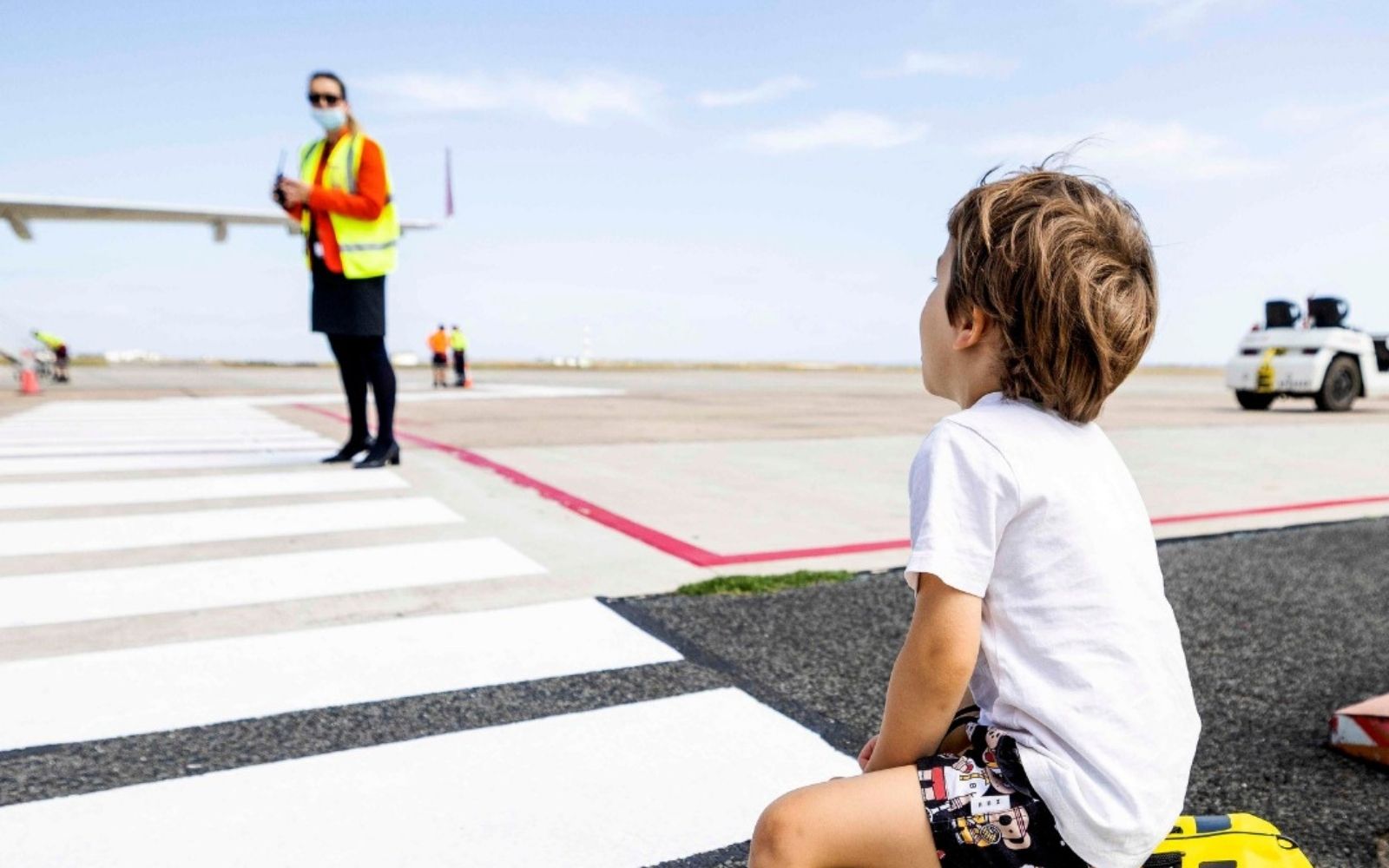
International flights have officially returned to Avalon, making Victoria the only state with two curfew-free international gateways.
Jetstar’s inaugural Avalon to Bali service departs today, marking a significant expansion of the Melbourne airport network and opening up direct international travel for residents across Geelong, the Surf Coast, the Bellarine Peninsula and Melbourne’s western suburbs. The route will operate five return flights per week, adding more than 120,000 seats annually on the Bali run alone.
Combined with a restarted Adelaide domestic route and increased Brisbane frequencies, the expansion delivers 330,000 new seats in and out of Avalon each year. It’s the biggest shake-up to Melbourne’s aviation landscape since Avalon’s international return was first announced late last year.
Stay up to date with what’s happening in and around Melbourne here.
What’s changed at Avalon Melbourne airport
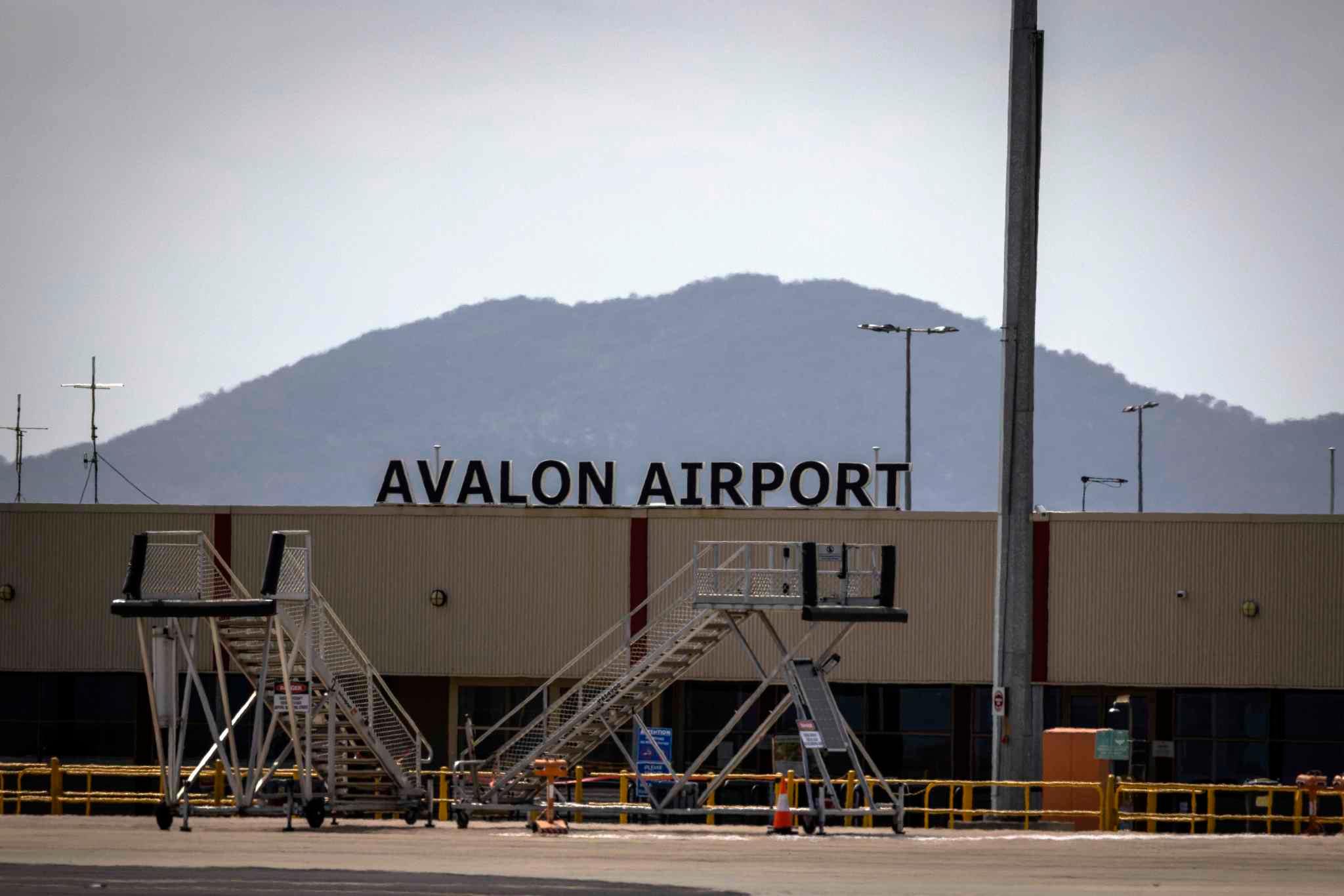
The terminal has undergone significant upgrades ahead of the international relaunch. Improvements include 1,000 new terminal seats across both international and domestic areas, enhanced security infrastructure and modernised passenger facilities. An additional 500 car parks have been added, and a new Route 18 bus service now connects the airport to Lara Station seven days a week — the first regular public transport link to the precinct.
A new freight processing facility has also opened on site, capable of handling up to 10 times the previous cargo volume. That’s expected to generate hundreds of flow-on jobs across freight, warehousing and distribution in the region.
Avalon’s role in Victoria’s aviation network
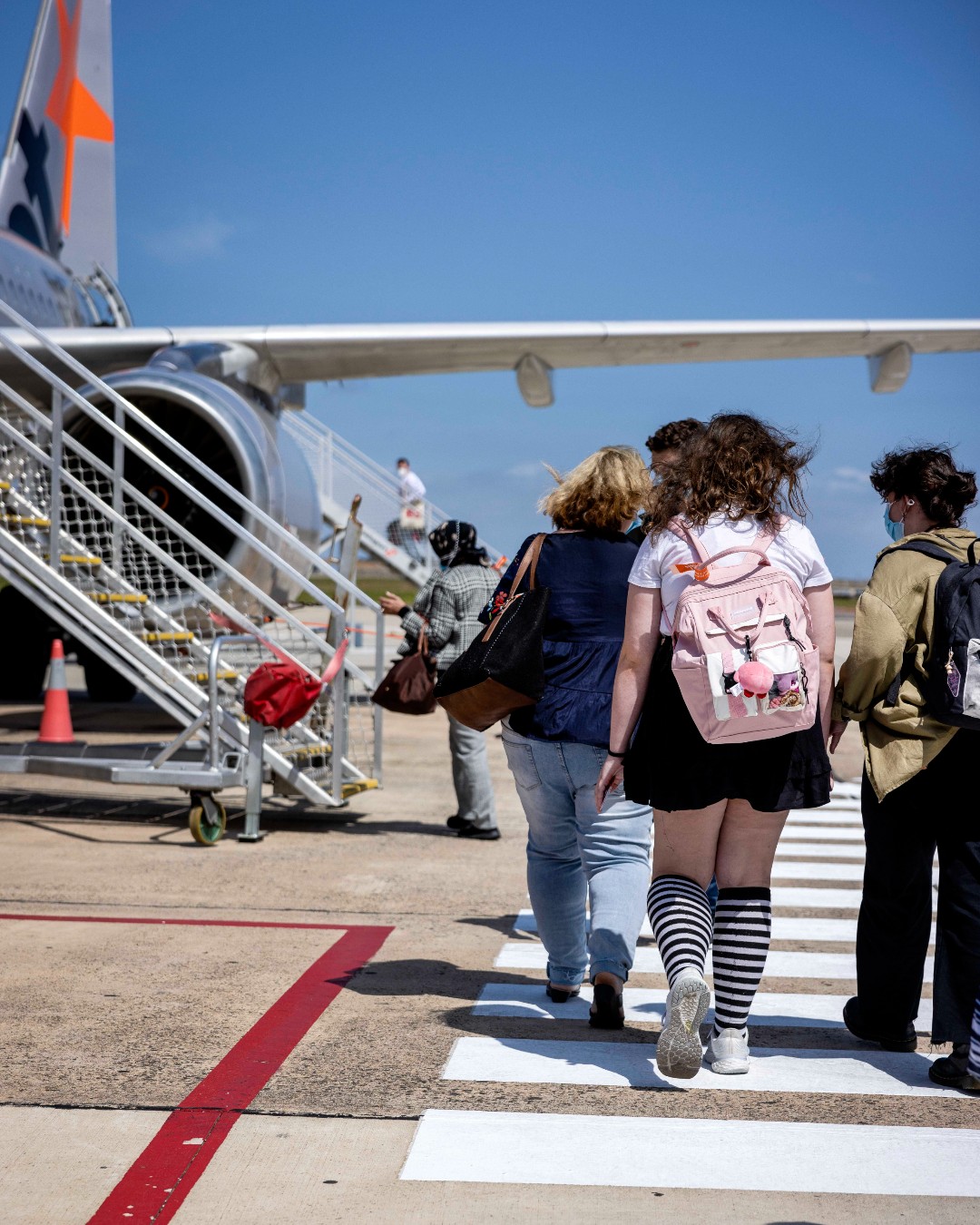
Victoria has been Jetstar’s home base since the airline launched in 2004, and the state remains its largest operational hub with more than 3,000 employees. As a 24-hour, curfew-free facility, Avalon adds genuine network resilience and competitive pressure to Melbourne’s broader aviation offering — particularly as the Melbourne Airport Rail Link construction ramps up at Sunshine on the other side of the city.
For Geelong and southwest Victoria, the flow-on effects extend well beyond the terminal. More international arrivals means more visitors to the Great Ocean Road, the Bellarine and Surf Coast regions, and more economic activity in communities that have long sat outside Tullamarine’s orbit. The Victorian government has invested more than $47 billion in rural and regional Victoria, with aviation forming a growing slice of that commitment.
How the Melbourne airport expansion benefits travellers
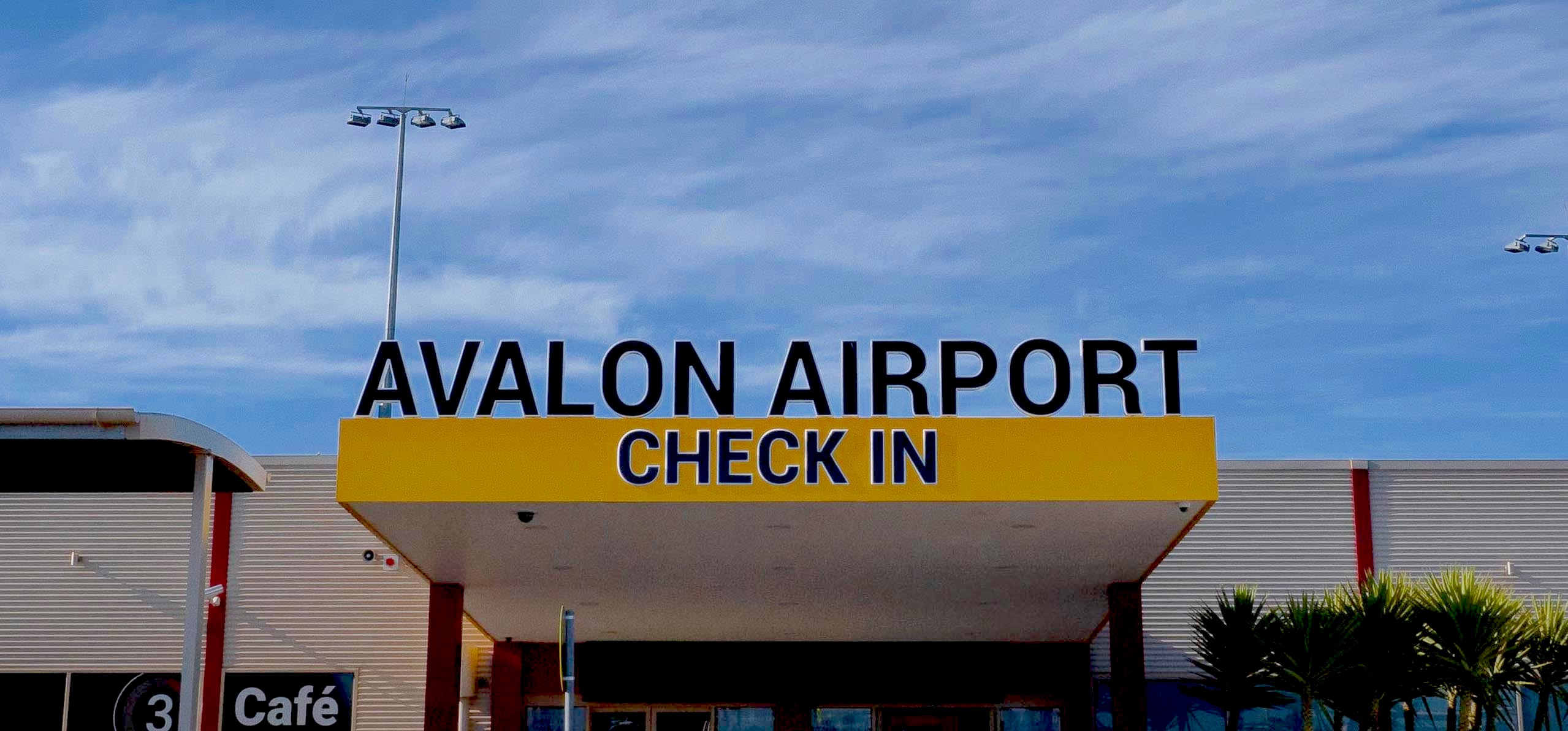
The practical upside is straightforward: if you live west or southwest of Melbourne, you can now fly direct to Bali without battling the Tullamarine Freeway. With domestic connections to Adelaide, Brisbane, Sydney and the Gold Coast also running out of Avalon, it’s becoming a genuinely viable alternative to the main Melbourne airport hub — especially with a growing public transport network feeding into the region.
“This will be a huge boost for our local community – creating new job opportunities, strengthening connections and making it easier for people in Lara and across the region to travel and welcome visitors from around the world,” Lara MP Ella George said.
For more information, head here.