Games for Change APAC returns to Melbourne this October with purpose-driven gaming.
Videogames have evolved far beyond entertainment into powerful tools for education, mental health support and social change.
Games for Change APAC – one of Melbourne International Games Week’s most intriguing events this October – showcases developers creating experiences that build empathy, promote sustainability and tackle real-world issues through interactive storytelling and innovative gameplay.
Australian developers are leading the charge with games addressing reproductive healthcare, plastic pollution, mental health awareness and neurodiversity. These aren’t your typical shoot-em-ups – they’re thoughtfully crafted experiences designed to educate while they entertain, using the unique power of interactive media to put players in someone else’s shoes.
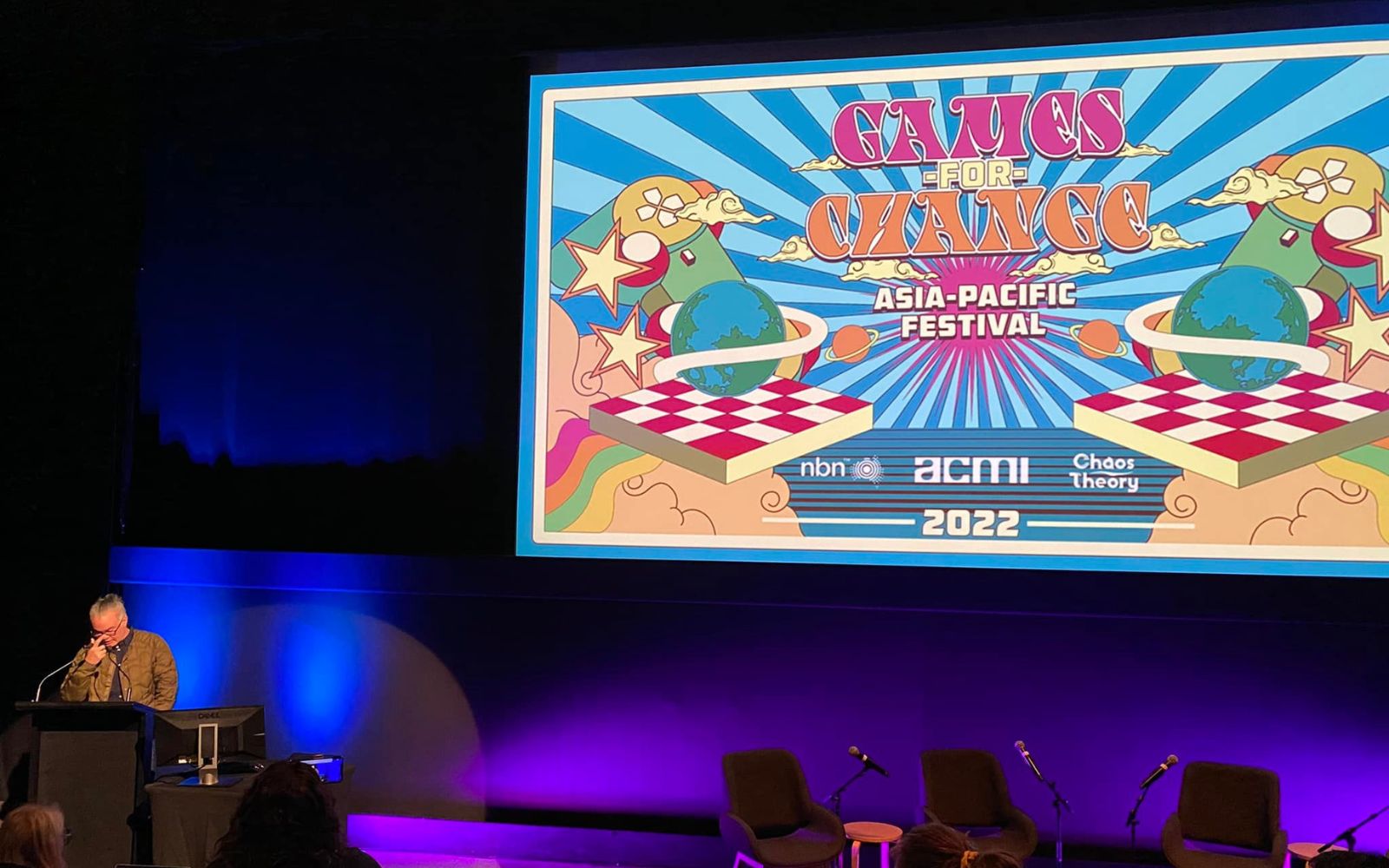
Games for Change APAC
- Where: ACMI
- When: 7-9 October
- Part of: Melbourne International Games Week
Stay up to date with what’s happening in and around Melbourne here.
Standout titles include Kasey’s Gambling’s The Hotline, which explores reproductive healthcare through a simulated phone menu system. Players navigate choose-your-own-adventure narratives based on real experiences with pregnancy helplines, revealing how medical systems can disproportionately impact people seeking reproductive health support.
Environmental themes feature heavily in Deb Poslon’s In Deep Water, an exploration of plastic pollution through a digital marine world inspired by New Zealand’s aquatic ecosystems. Combining scientific research with engaging gameplay, it demonstrates how games can make complex environmental issues accessible and compelling.
Mental health representation gets thoughtful treatment in The Last Werewolf by Unnatural Freaks Studio, using lycanthropy as an allegory for bipolar disorder. Players follow Lachie’s journey of self-discovery and acceptance, building understanding of complex mental health experiences through authentic storytelling.
Hojo Studio’s BraveCart takes aim at consumerism through the adventures of an abandoned shopping trolley sparking revolution against waste culture.
Research presentations will explore cosy games for mental health relief, including Dr Michelle Chen and Emma Losin’s bubble tea shop simulation Bobarista, where players build trust with diverse characters to unlock gameplay elements. Jess Rawlings will discuss how games can foster collaboration among neurodivergent players without requiring masking, while Dr Vasileios Stavropoulos examines gaming’s relationship with physical activity in adolescents.
“This is our fifth year showing off the immense creativity and ingenuity of game makers dedicated to helping the world with games,” Daniel Teitelbaum, Festival Director, Games for Change Asia-Pacific, said.
“This year’s lineup is another one full of intelligent, experienced, heartfelt developers and researchers presenting the cutting edge of games around themes in mental health, education, accessibility, representation, behavioural change, sustainability, and empathy.”
For more information, head here