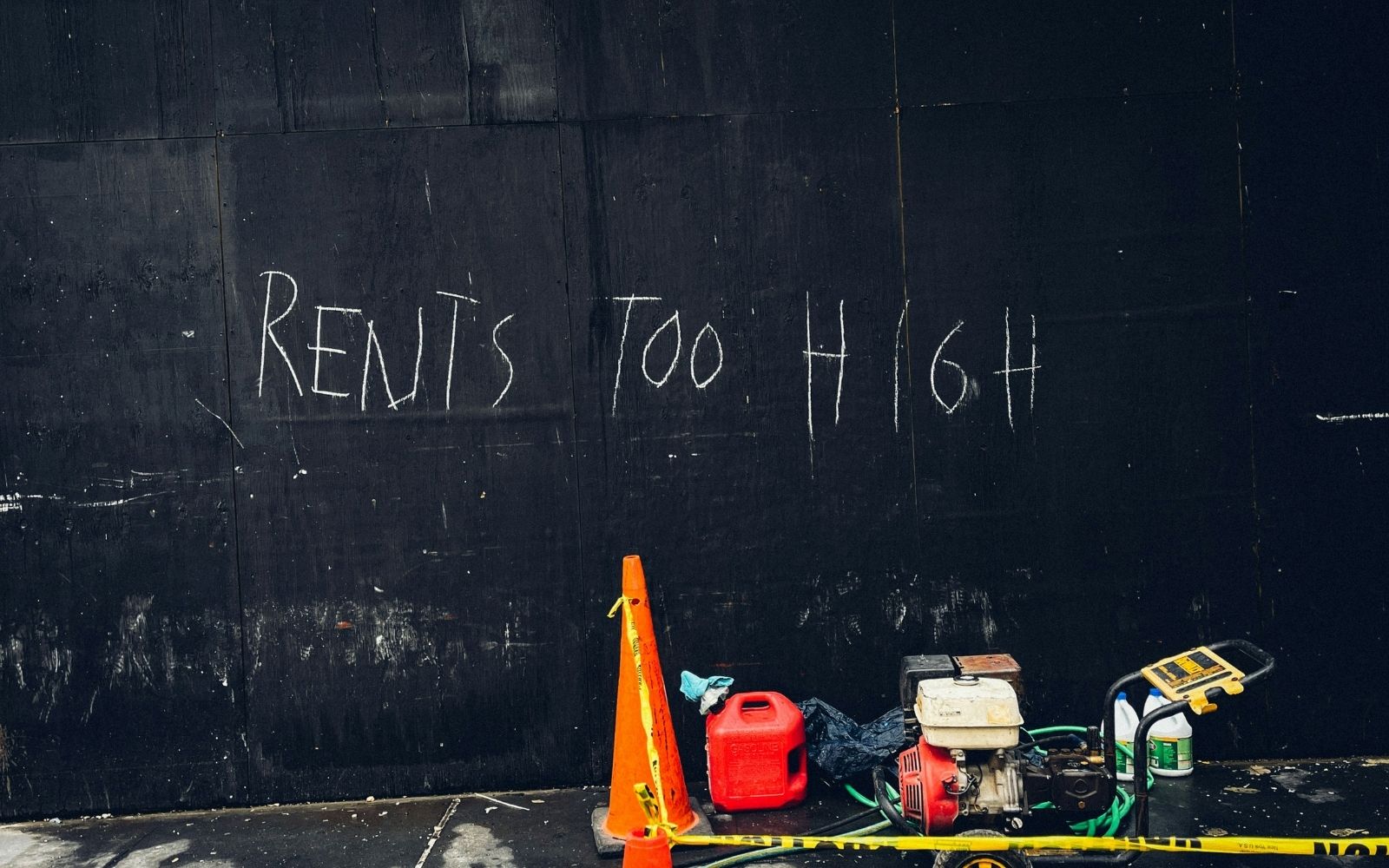
VCAT and Consumer Affairs Victoria can now weigh property condition and hike size when assessing whether a rent increase is excessive.
New Victorian rental laws taking effect on 31 March expand the grounds on which rent increases can be challenged, giving regulators significantly more power to push back on landlords who raise rents without investing in their properties.
Under the reforms, VCAT and Consumer Affairs Victoria can now consider additional factors when reviewing whether a proposed rent increase is excessive. For the first time in decades, the size of the increase itself and whether the landlord has made improvements — or failed to maintain the property — can be weighed in the assessment process. Previously, those factors were excluded from the rent review criteria, meaning a landlord could raise rent by 200 per cent on a property with unresolved maintenance issues and a tenant had no ability to have either of those things taken into account.
Stay up to date with what’s happening in and around Melbourne here.
How renters can challenge a rent increase through VCAT

More than 150 rental reforms have now been introduced in Victoria, with the latest changes targeting unfair rent hikes and third-party app fees.
The process for disputing an excessive rent increase in Victoria follows a specific pathway. Renters who believe a proposed increase is above the market range can request a free rent assessment from Consumer Affairs Victoria within 30 days of receiving the written notice. An inspector assesses the property and produces a report. If the report finds the increase is too high and the landlord refuses to negotiate, the renter can escalate the dispute through Rental Dispute Resolution Victoria, a free service launched in 2025 that must now be used before a matter can proceed to a VCAT hearing.
Renters cannot be evicted for requesting a rent assessment or exercising their rights under the legislation.
Banned fees and standardised applications also take effect
The 31 March reforms extend beyond rent review powers. It will now be a criminal offence for third-party rental platforms and apps to charge renters fees for submitting applications or making rent payments. A new standardised application form also comes into effect statewide, limiting the personal information agents and landlords can request from prospective tenants.
Part of Victoria’s broader rental reform agenda

VCAT can now consider whether a landlord has maintained a property when assessing if a rent increase is excessive.
These changes sit within a broader suite of more than 150 rental reforms introduced by the Victorian government. Laws that came into effect in late 2025 banned rental bidding, prohibited no-fault evictions, extended notice periods for rent increases to 90 days and enforced minimum property standards at the point of advertising. Businesses found breaching these laws face fines exceeding $12,000 for individuals and $59,000 for companies.
A statewide renting taskforce continues to monitor compliance, and Rental Dispute Resolution Victoria has already resolved more than 2,200 disputes since launching, with around 90 per cent of cases avoiding a formal VCAT hearing. For renters navigating Melbourne’s increasingly competitive rental market, the expanded review powers represent the most significant shift in how rent increases are scrutinised in decades.
For more information, head here.