What happens when you strip opera back to something you can feel instead of hear?
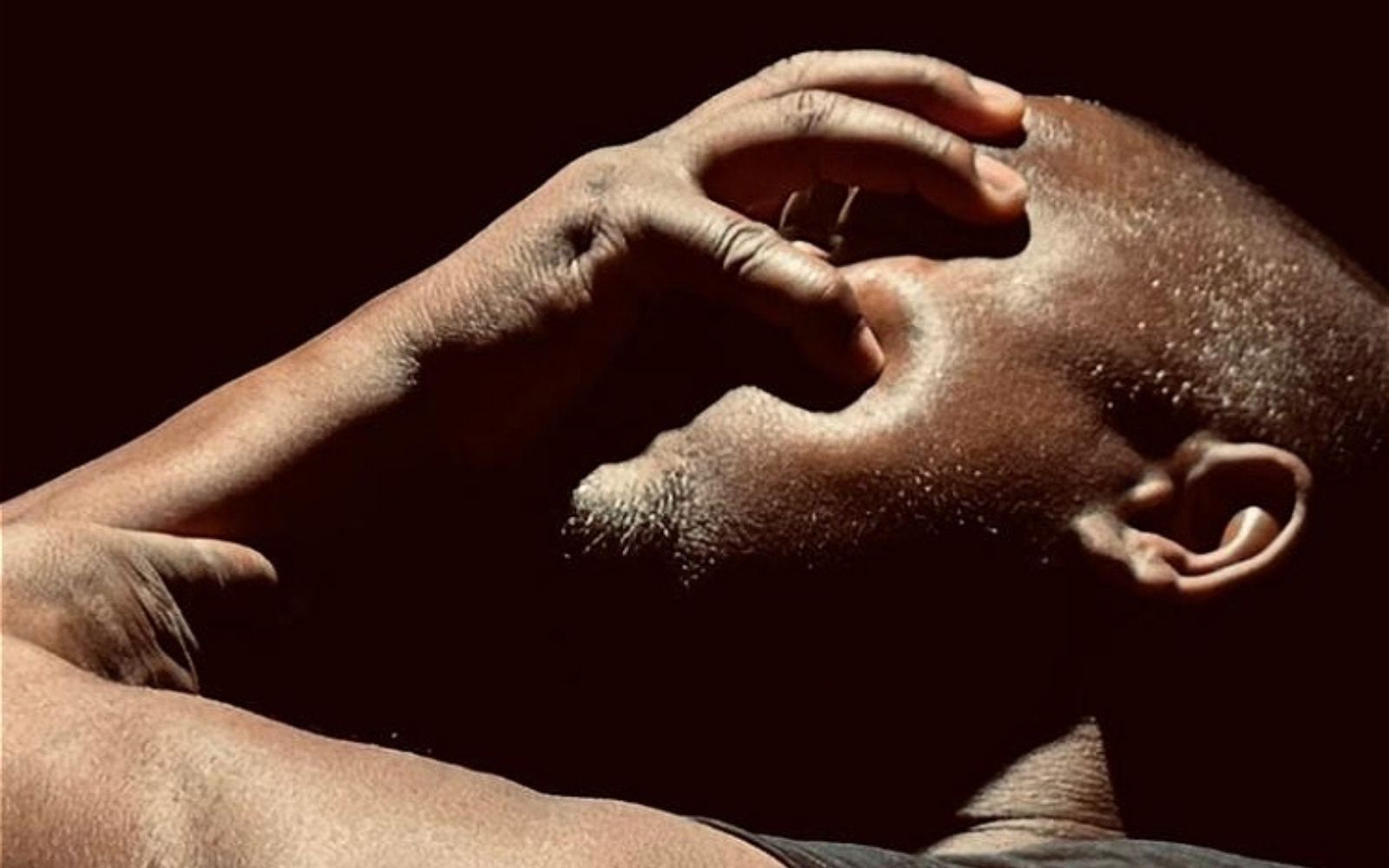
That question sits at the core of Manifesto of Silences, a new work by Deaf artist Irene Holub that ditches spoken language entirely in favour of Auslan poetry, light, projection and physical performance. The world premiere lands at Arts House in North Melbourne from 6 to 11 October as part of Melbourne Fringe.
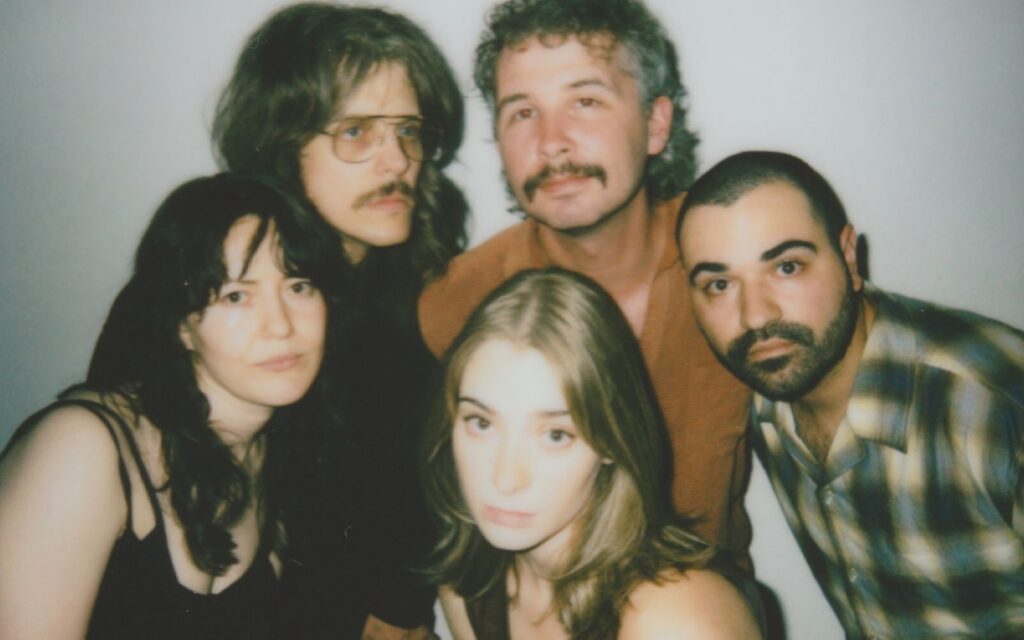
There are no captions, no voiceovers and no interpreters on stage. Instead, six Deaf artists — Walter Kadiki, Luke King, Anna Seymour, Ramas McRae, Maya Sandon and Franco Spadea — use sign language, visual vernacular and movement to carry the entire performance. Each brings a different discipline, spanning poetry, choreography and visual design.
Manifesto of Silences
- 6 – 11 October 2026
- Arts House, North Melbourne Town Hall, 521 Queensberry Street, North Melbourne
- Post-show artist talk (Auslan/English interpreted): 8 October
Stay up to date with what’s happening in and around Melbourne here.
Visual vernacular — a form within Auslan that combines facial expression with digital design — gives non-signers a way into the emotion and narrative without relying on translation. Holub has drawn a parallel to her own experience watching traditional opera long before she understood the language being sung: the feeling came first, the words second.
The work grew out of Arts House’s Warehouse Residency program and follows a sold-out development season in 2025. With Deaf artists holding creative control throughout, Manifesto of Silences is designed to open pathways for future Deaf creatives working in performance. It responds to a long history of decisions made about Deaf communities rather than with them, giving shape to the language, identity and futures that get left out of those conversations.
Melbourne Fringe’s Radical Access program, which supports the production, positions accessibility not as an afterthought bolted onto existing work but as a starting point for how the art itself is made. For Manifesto of Silences, access is baked into the creative DNA — it is not an add-on, it is the architecture.
For more information, head here.