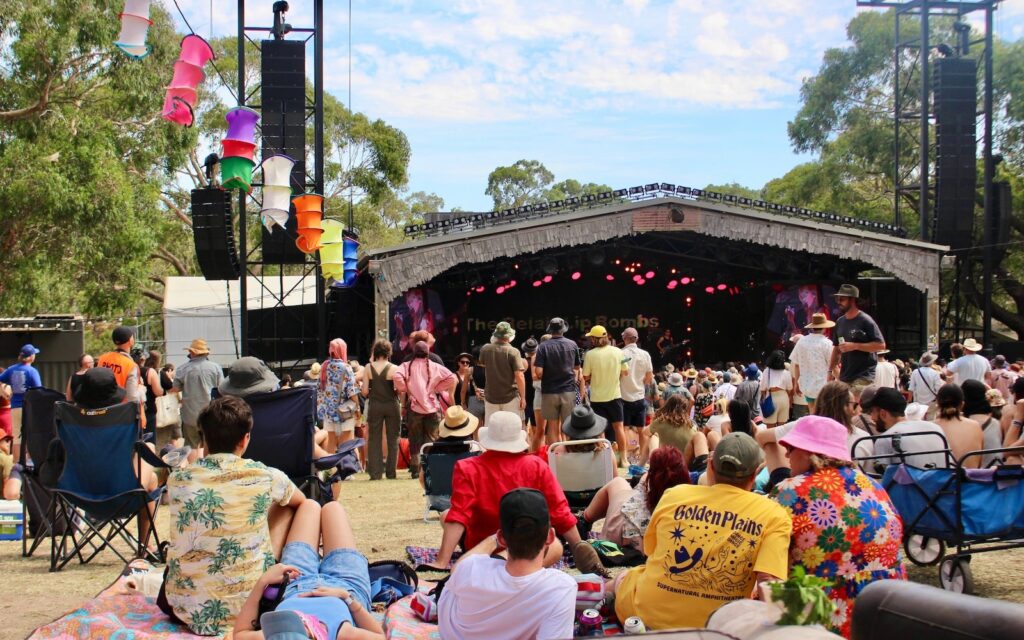
“For local and returning vintage and older performers, people turn out and actually tune in to what they do here,” he says of Melbourne audiences. “It’s not like in Sydney or other cities. Maybe it’s more of a European type attitude, where older people go out to see music and they’re not self conscious about it. People in Perth are a little more isolated. It’s a bit of a goldfish bowl; people reach a certain age, probably 25, and think their days of socialising are over and it’s time to be in the house with children. Melbourne is different for the amount of people that go out to see music, definitely.”
Graney encountered this first hand in 2009 while touring in support of the legendary Glen Campbell. “I saw from Townsville, Gold Coast, Brisbane, Canberra, Sydney, and the last date in Melbourne, how different people reacted and how engaged they were with what a performance was, what an icon was, what a song list like that was,” says Graney. “In other places, the performer had to do all of the work, but in Melbourne the audience brought some understanding to it. I think Melbourne’s a very distinctive place in that way.”
“We’re playing at the Corner Hotel which is kind of rock central, where you can still present a real rock show, and that’s why we’re playing there, really,” he says. “We reconvened with the Coral Snakes last year and played the Memo Music Hall as our ‘south of the river’ venue. When we were an operating band our locale was very much St Kilda, but times have changed and it’s more north of the river now. We wanted to do a show that was more accessible and that’s why we’re doing it at the Corner Hotel.”
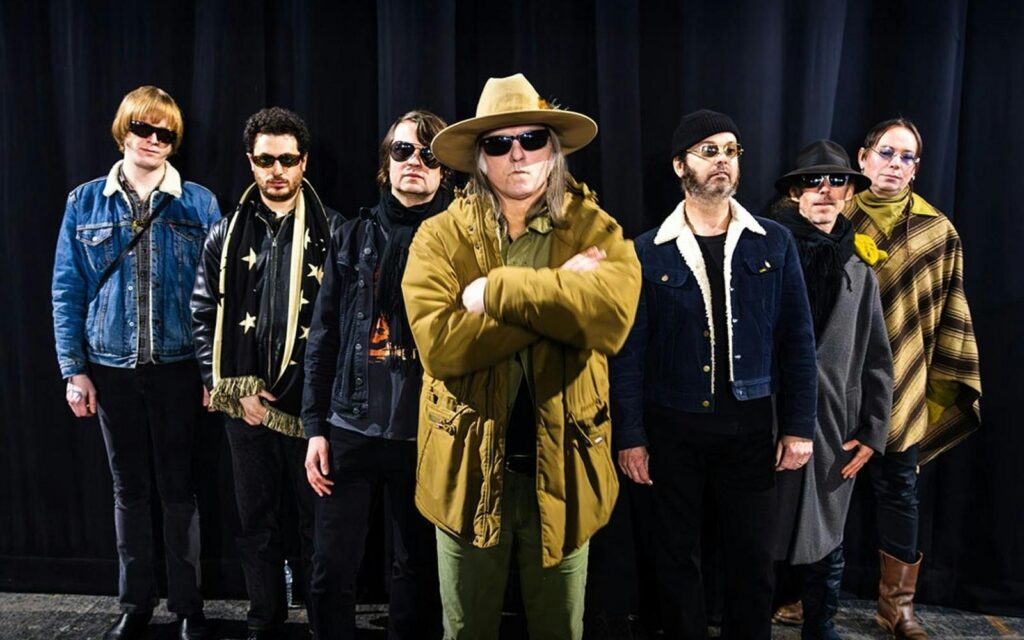
Last year Dave Graney ’n’ The Coral Snakes played their first shows together since 1997. “It was very interesting, very enjoyable. It wasn’t like a tour of every date in a row. It was spread out with a couple of weeks in between shows, in quite different rooms,” he says. “We were doing a set of the Night of the Wolverine album, which we never got to play all the way through when it came out, because it was too delicate for the situation we were in at the time. It was nice to do that and then a set of other material. The variety of venues was very good, but for me and Clare to play with Rob Hayward on guitar and Robin Casinader on keys again, and enjoy their company musically and personally, was great.”
I put it to Graney that the ‘90s was probably the last time when record labels seemed to say, ‘We don’t know what the fuck the kids want to listen to, let’s just sign a bunch of different things and see what sticks.’ “I think there have been great periods in music, film and art where that kind of thing has been happening,” he says. “Like 1965 in London must have been incredible. It overturned their class system. When you look at the Top 20 of any week of that year, it was just great. And the same with San Francisco in 1967. It allowed talented people to come in, and [the labels] just went down to San Francisco and say ‘I don’t know what you’re doing but we’re throwing money at you so just go do it.’
“I think Nirvana had a big affect on music in the ‘90s. Grunge was very ordinary to me – over-produced for the most part and too full of angst. But with the Big Day Out and triple j inflating itself, it repackaged some sort of youth culture,” says Graney. “I’ve also never believed in youth culture. When I was young there was no youth culture in such a self conscious way. It was probably more authentic because we were just young and stupid, we weren’t reading in magazines how to behave. We didn’t listen to youth radio or read youth magazines, we were just young. So that was what the ‘90s was like. It was odd and it was a great thriving time, up until about 1998 with record labels backing strange acts, really creative people.”
BY PETER HODGSON