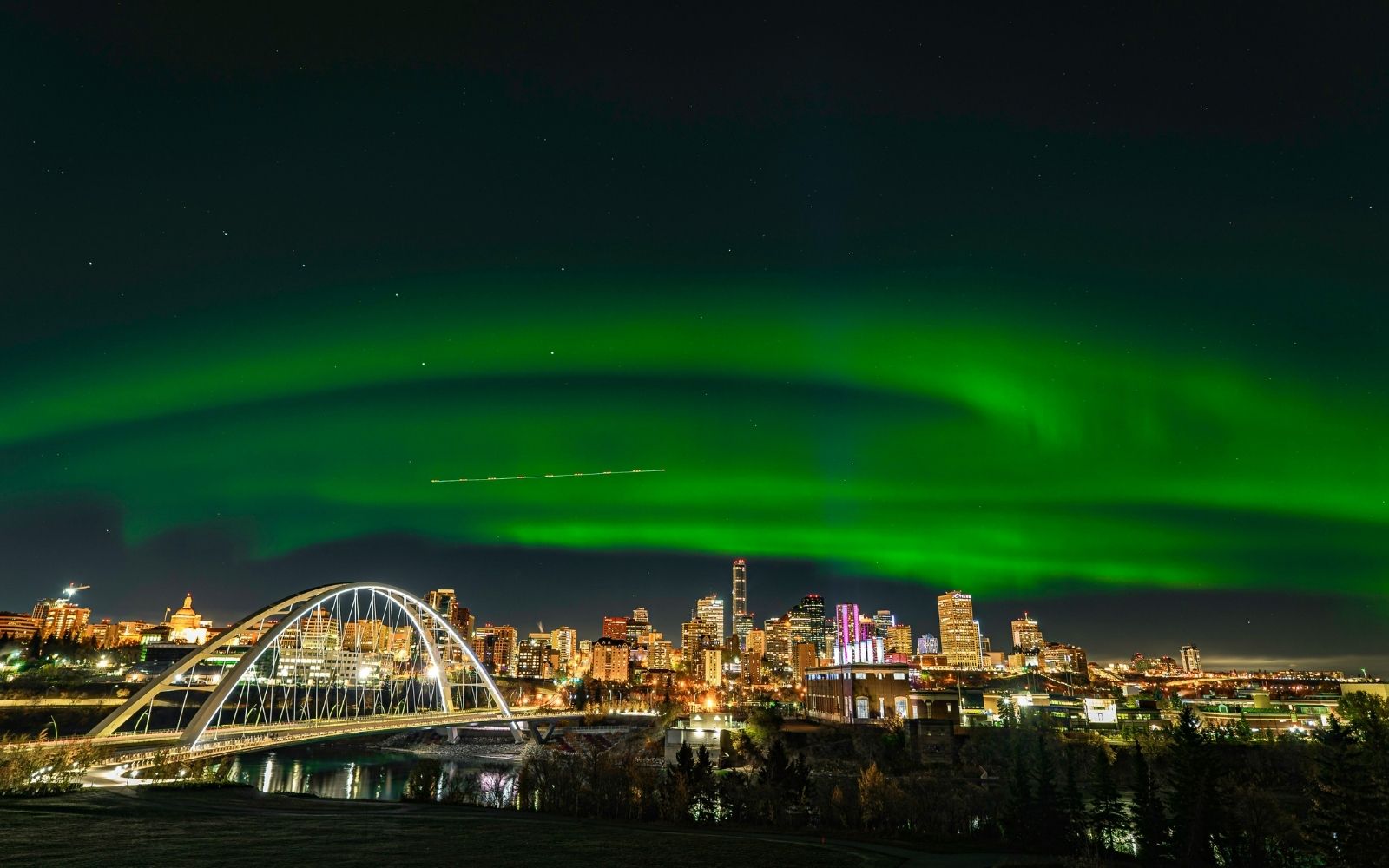
The Bureau of Meteorology has issued another aurora australis alert — but the numbers suggest Melbourne is mostly out of luck
The aurora australis is doing its thing again, and Melbourne’s group chats are losing their collective minds.
The Bureau of Meteorology’s Australian Space Weather Forecasting Centre has confirmed a geomagnetic storm is currently in progress, with solar wind clocking around 677 km/s. The alert states aurora may be visible during nighttime hours in good conditions — but at “high latitudes.” That qualifier is doing a lot of heavy lifting.
Aurora australis in Melbourne
- Where — Southern Victoria offers the best odds: Bellarine Peninsula, Mornington Peninsula, You Yangs, Phillip Island, or anywhere with minimal light pollution and a clear southern horizon
- When — Peak viewing falls between 10pm and 2am during active geomagnetic storms
- K-index — Currently at four; Melbourne typically needs six or above for visible aurora
- Moon — 25 per cent illuminated (waxing crescent), which is favourable for viewing
- Live updates — BOM aurora alerts page at sws.bom.gov.au/Aurora
Stay up to date with what’s happening in and around Melbourne here.
An aurora in Melbourne is always a tough ask
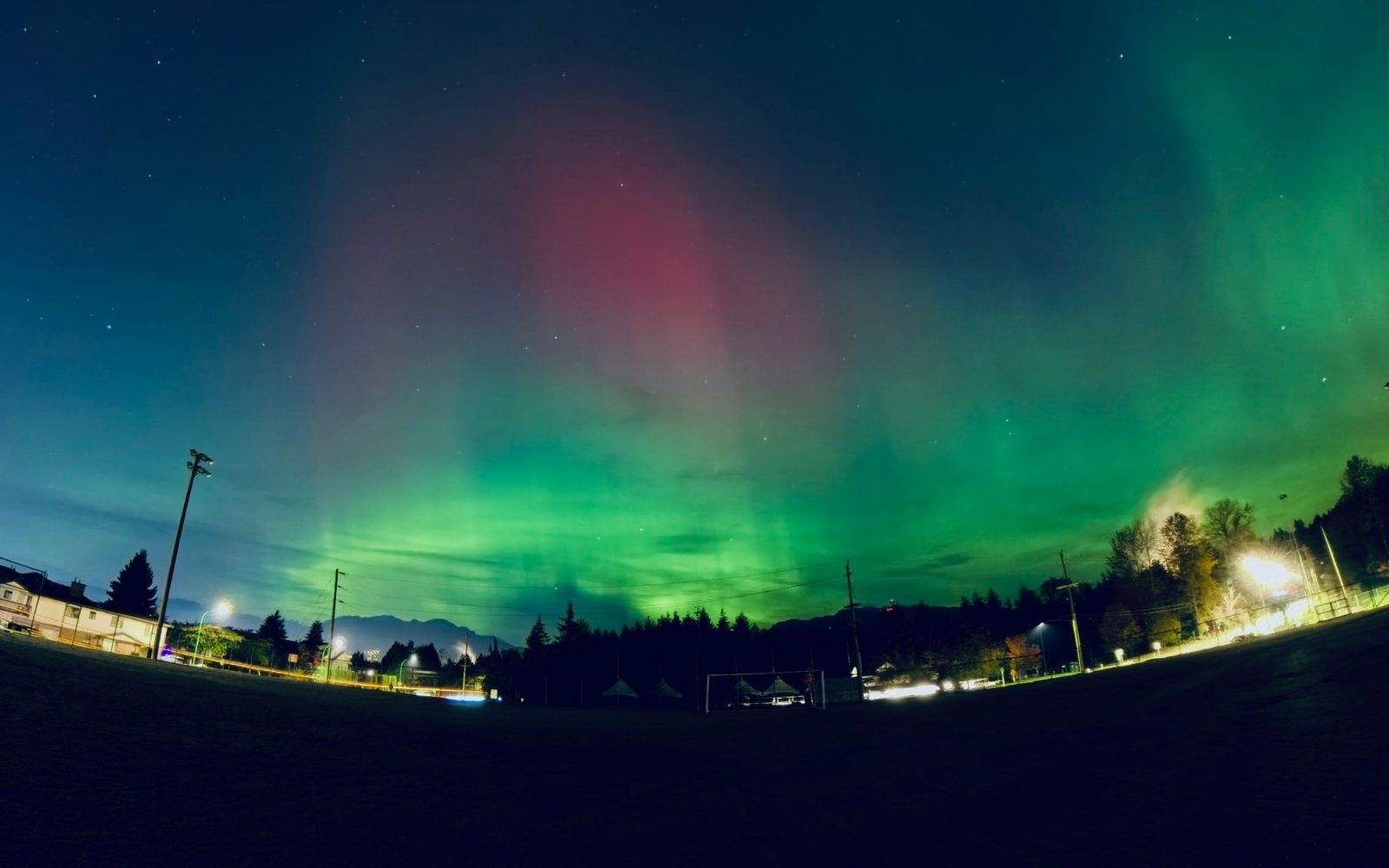
The geomagnetic K-index, which measures disturbance on a scale of zero to nine, is currently sitting at four. That’s classified as “active” but below storm level. According to NOAA’s Space Weather Prediction Center, geomagnetic storms begin at K-index five. For southern Victoria to have any realistic shot at seeing the aurora, you need a K-index of six or above — that’s when the edge of the auroral oval pushes far enough from the poles to cover this part of the country. At four, Tasmania gets a look-in. Melbourne gets a dark sky and a cold drive for nothing.
The frustrating part is that just 24 hours ago, on 22 March, the storm peaked at G3 (strong) levels. It has since been declining, and the forecast from the University of Alaska Fairbanks Geophysical Institute has 23 March at K-index four, 24 March at four, and 25 March potentially climbing to five. So conditions could pick up again — but five still isn’t six.
That’s despite great timing for a Melbourne aurora
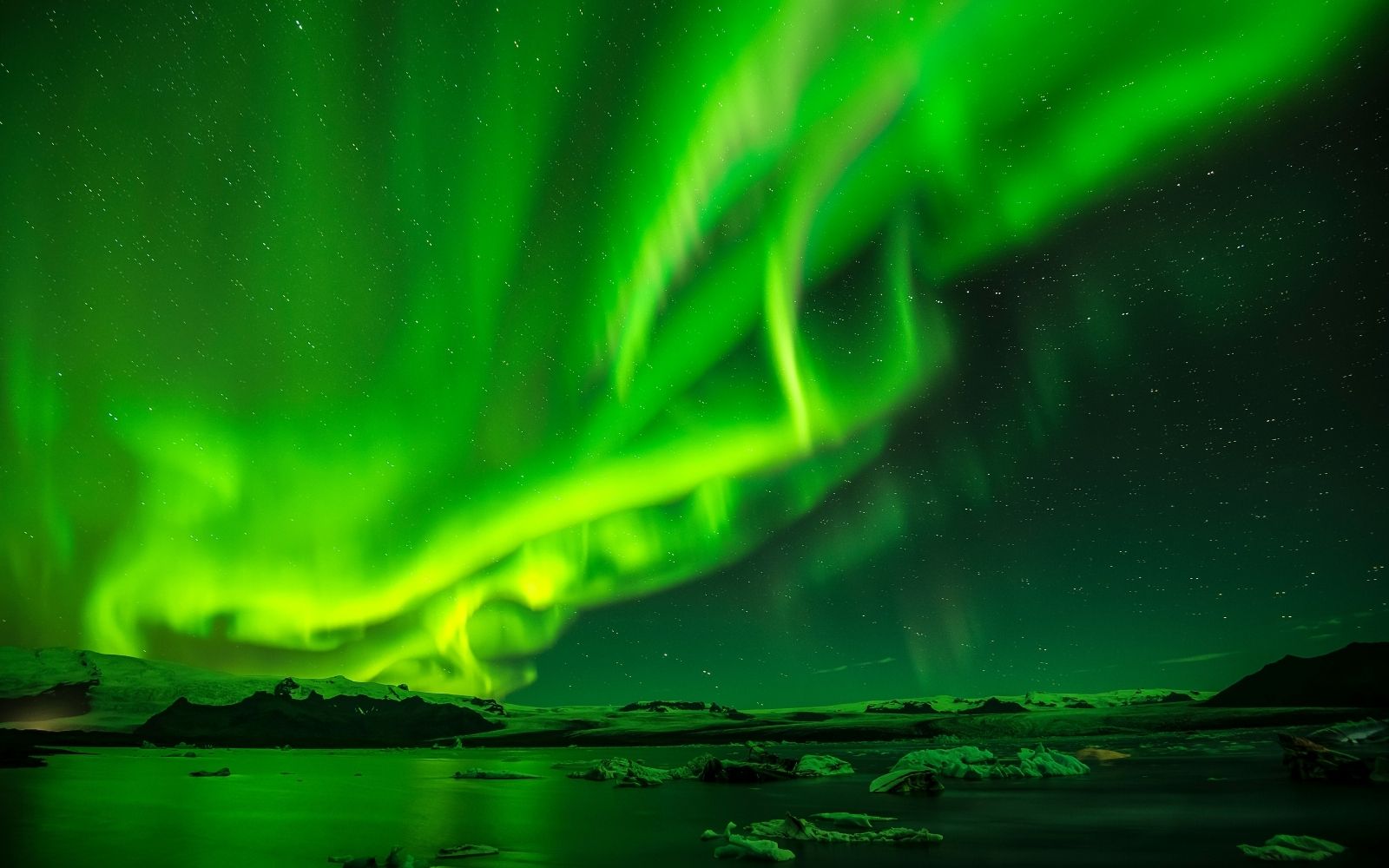
The timing is worth understanding though. The March equinox amplifies geomagnetic activity through a phenomenon first documented in a 1973 peer-reviewed study by geophysicists Christopher Russell and Robert McPherron. Their research, published in the Journal of Geophysical Research, found that geomagnetic storms are statistically more frequent in March and September because Earth’s magnetic field aligns more effectively with the solar wind around the equinoxes. NOAA’s Space Weather Prediction Center confirms this, noting a tendency towards stronger aurora activity near the equinoxes. So the alerts aren’t random — this is genuinely peak season.
The sun is also at or near the top of Solar Cycle 25. The NOAA/NASA Solar Cycle Prediction Panel forecast the maximum to occur between late 2024 and March 2026, which means we’re right in the window. Once solar activity starts declining, strong geomagnetic events visible from mainland Australia could become far less common for roughly the next decade.
One practical tip that most people miss: your phone camera is significantly more sensitive to aurora light than your naked eye. If you’re out in a dark area with a clear southern horizon and can’t see anything, point your phone south and check the screen. Long-exposure settings help. The aurora may be there — it’s just too faint for human vision at Melbourne’s latitude during moderate storms.
For more information, head here.