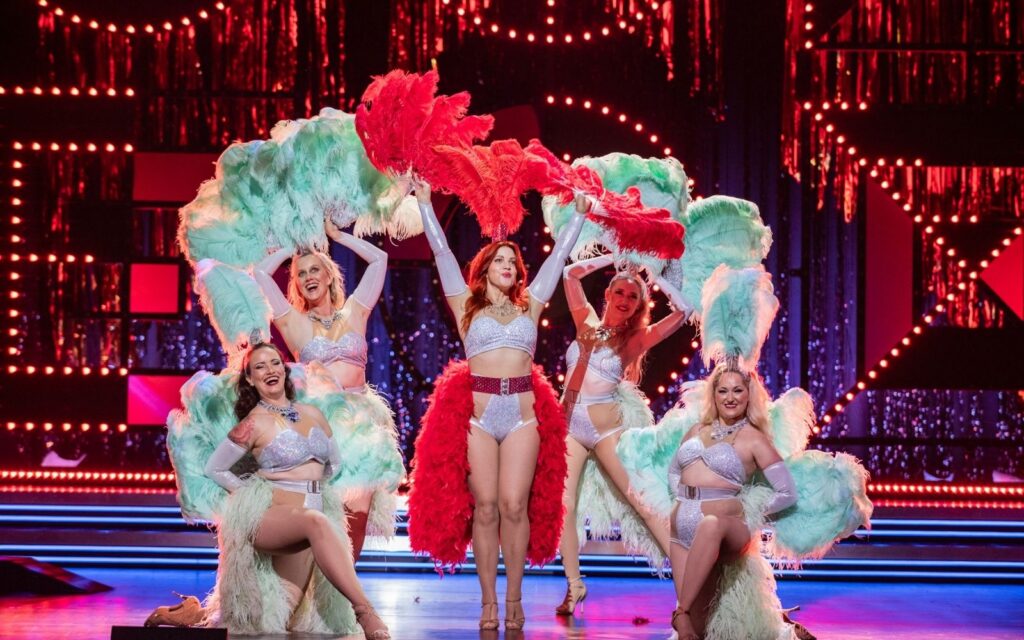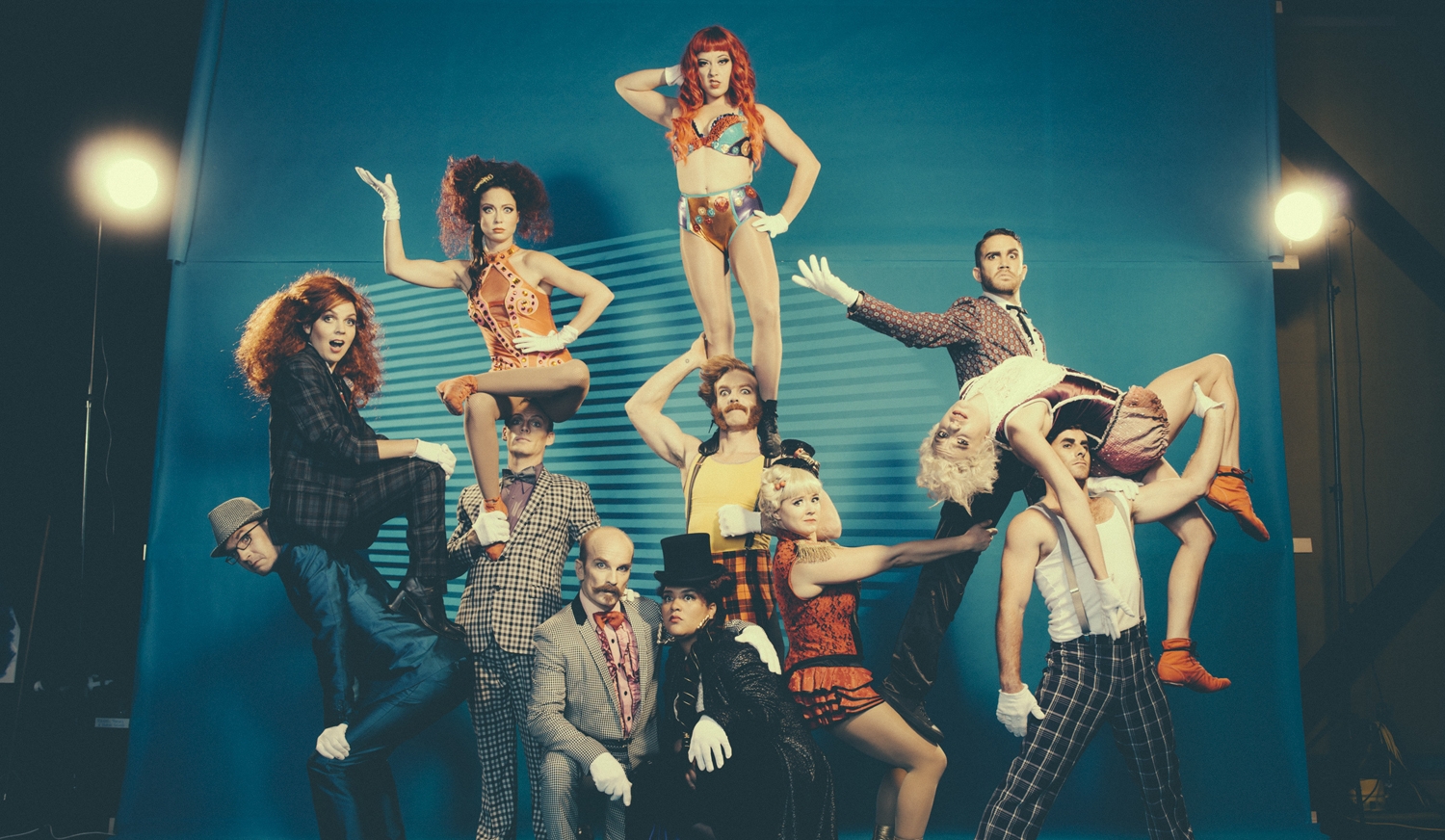
2014 sees eight new members to the Circus Oz performing team specially recruited to create But Wait … There’s More. This year Casey Benetto (who created Keating the Musical) is guesting as songwriter. The show plays around with the notion of ‘infobesity’, satirising a culture increasingly overloaded with information, speed, consumerism, choice, visual stimulation and maniacally busy lifestyles, all in a setting inspired by a long abandoned theatre in ruins. “There are a lot of different musical styles in the show,” says Hendry. “Club music, dubstep, it’s changing all the time, unusual rhythms, 7/8 time scores; there’s a lot going on. In one piece I’m playing the drums, the bass with my feet and the glockenspiel with my hand. I even play the banjo – I’m not especially talented on the banjo but I can get away with it.”
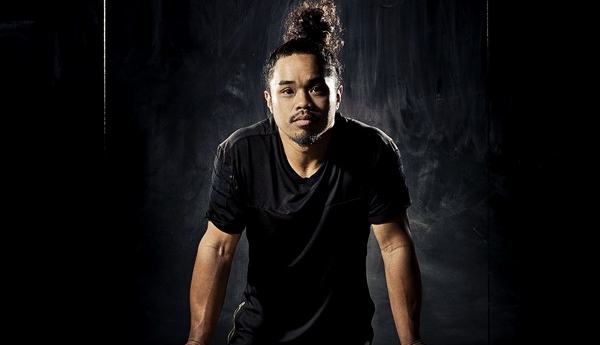
Why was Ben Hendry so keen to work with Circus Oz? “Two reasons,” he answers. “I love music that’s part of something greater, rather than just music. When I was studying at VCA I got into a lot of experimental music, avant garde, improvised freeform music, 12-tone dissonant music. I like playing music that’s creative and I like playing along with something visual; you can do a lot more creatively. The second reason is that Circus Oz is a special company. They’ve been able to maintain their artistic integrity in their work yet still stay accessible to audiences. They haven’t dumbed it down or watered it down, to make it easier… There are very few companies that can do that – have audiences connect with their work in that same way, and Circus Oz handle that really well.” Before joining Flap!, the band he reluctantly left to join the circus, Hendry worked as a sessional musician for over fifteen years, working with such Australian notables as Tim Rogers, Mark Seymour and Deborah Conway, and spent years touring the globe; he considers himself very lucky to be able to make a living doing what he loves.
Creating music for a circus performance, Hendry says, brings its own particular challenges. “It’s an interesting process. In developing a piece I get to work with acrobats who have special skill sets; everyone works on group pieces and solo pieces. We go away and work on writing music that we hope will fit in. We don’t come up with a fully formed piece; it’s more like little bits of music that we try to jam into place.” So the musicians don’t see the performances before writing the music for them? How does that work? “We try to come up with as many ideas as possible. We have discussions with the acrobats, there are two directors on the floor who share their overall vision, we discuss things with them then we try to come up with something that will match with the visuals. Things change so drastically in rehearsals. We end up cutting a lot of things. We do a lot of improvisation when the acrobats are training. Step two is writing little pieces for solo acts. People are always adding new sections on the fly. I was used to writing scores for things that already exist. With circus things can change at the drop of a hat. Whole acts can be left behind and new acts put in which need a new piece of music.”
Another challenge Hendry says, is that of ‘keeping a good grasp of being part of an ensemble.’ “Because I’m writing music separately from the acrobats, keeping a sense that we’re all together, that we’re a group of people… The band can be quite separate.”
Is there a piece in But Wait… There’s More he especially likes? “There’s an adagio piece that goes with a unicycle act,” Hendry says. “With banjo and piano – it’s touching and beautiful, emotive of wide open spaces. It can stand alone without the visuals.”
Is Hendry ever tempted to do acrobatics himself? “I’ve had a go at everything,” he answers. “The team has humoured me. We do an intensive strength and core training, it’s required of everyone and I join in with that. I’ve walked the tight rope, had a go at juggling, been on the trapeze, I’ve had people on my shoulders. It’s incredible fun.”
BY LIZA DEZFOULI