So, as it goes for rising musicians making a splash in the U.S. of A, before long Barnett started making lauded television appearances. She visited Conan O’Brien, KEXP and The Ellen Show, playing the latter as part of a packed episode lineup that also happened to include an appearance from the First Lady Of The United States, Michelle Obama herself.
Yet as proudly relished as all that success was back here in Australia, it did highlight a glaring flaw with our own local media industry. Barnett was a hot ticket on American cable programming, but there was no similar TV show to book her at home. Sure, she could have played Sunrise, perhaps, but that’s about it – and even then, her grungy, self-depreciating songs might have been too much for an early morning audience.
The dearth was all the more painful given Australia’s once proud music media history. Back in the ’80s and ’90s, we were forward thinkers when it came to live music television – we had Recovery, for example, a frenetic, punky program that served as both an opportunity for international stars to come in and trash the place (Jon Spencer being the notable example) and for local acts to raise their national profile.
But by the early 2000s, a lot of that groundbreaking work was starting to wither away. Recovery was axed, and attempts to fill the void were largely unsuccessful. Suddenly, we had valiant but flawed attempts to conquer the market like MTV’s The Lair, a distinctly undercooked live music show with a limited booking power. It says a lot, for example, that Julia Lewis was the highest profile guest who deigned to make an appearance, dropping in with rather lacklustre support from her band The Licks.
That’s not to say the market had dried up for music television. There were clearly people hankering for it, as the ecstatic response to Barnett’s US appearances proved – not to mention the rapturous attention a remastered box set of Recovery’s greatest hits was met with when it was dropped. No, it was obvious Australians still wanted good music media. It was merely a question of who was going to deliver it.
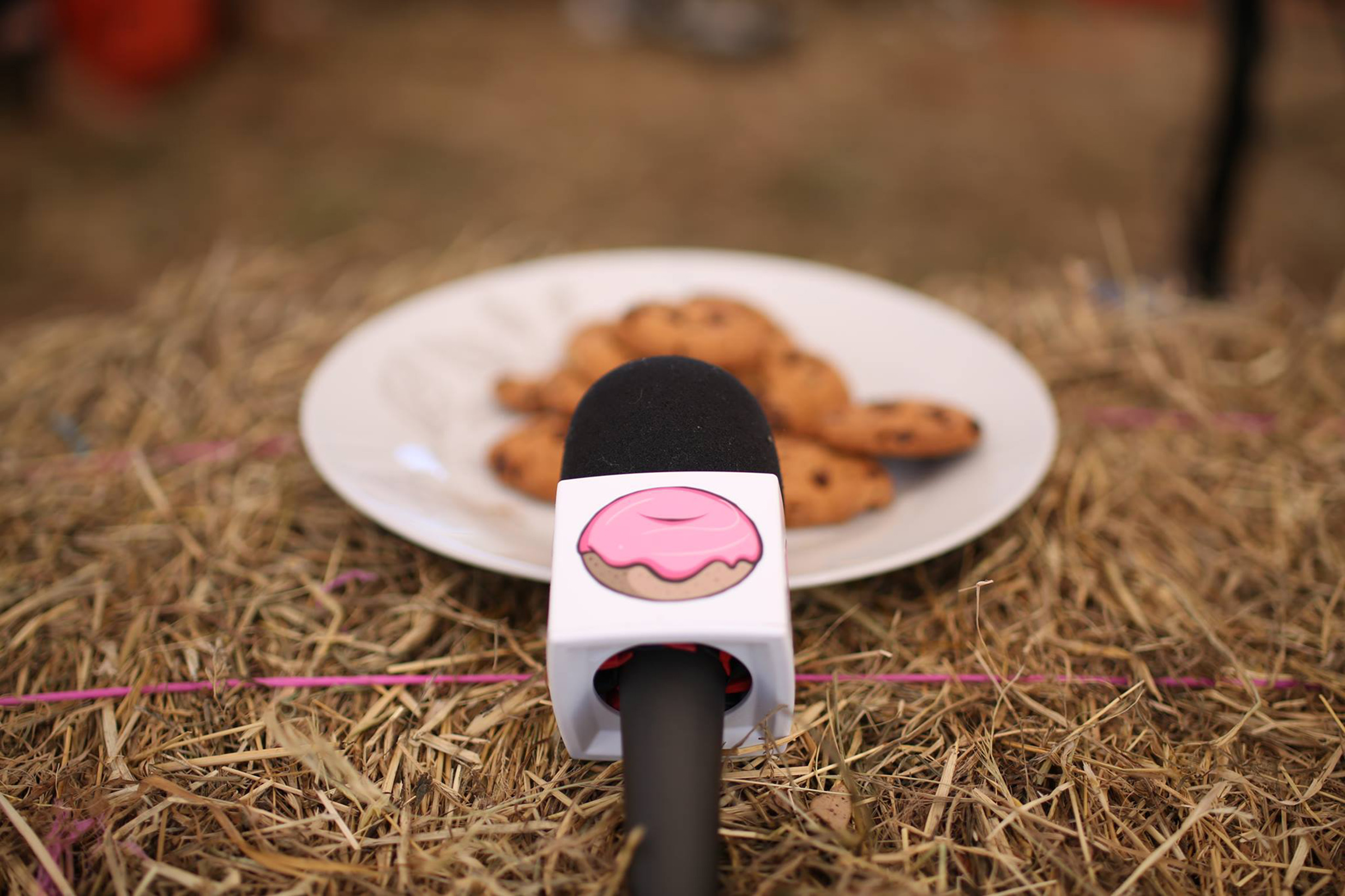
The answer, it seems, is the folks behind Baked Goods. A webseries filmed in the acclaimed Bakehouse Studios, the show’s self-professed aim is to “focus on Melbourne’s music scene,” providing “a media platform for working Australian artists to promote their work.” To that end, the short form show sees an array of local talents taking to the studios to play their greatest hit, following up the performance with an interview overseen by local legend James Morris.
It’s music television at its most stripped down and effective – an unpretentious, distinctly DIY serve of good tunes, good chats and great times. And it also happens to be exactly what Australian music media needs. Finally, young emerging artists like Skegss, the Byron Bay band of punks who dropped in to smash out their snotty, skate punk-indebted single You Probably Won’t Die For A While, have an arena to showcase their talents as a live band, not to mention as arch conversationalists keen to divulge their songwriting secrets. Further guests on the program have included Alex Lahey, Destrends, Jazz Party, Gawurra, Bob Evans and countless others.
In that way, Baked Goods aren’t just leading the way for other media outlets, they’re actively enhancing and assisting the local scene, supplying the fire of Melbourne music the oxygen it needs to keep burning.
Inside the Baked Goods Studio
