Severe geomagnetic storm brings rare aurora australis opportunity to Melbourne on Tuesday night.
Melbourne could be in for a light show tonight as a severe geomagnetic storm pushes the Aurora Australis far enough north to be visible from Victoria.
Australian Space Weather Forecasting Centre issued an aurora alert on Tuesday morning after a massive solar eruption sent charged particles hurtling toward Earth. Current geomagnetic conditions are sitting at G3 strong disturbance levels, with readings high enough to make southern aurora sightings possible during local night hours.
For context, this is the strongest solar radiation storm in over 20 years, and space weather authorities reckon conditions could intensify even further through Tuesday evening. That means if you’ve never seen the Southern Lights before, tonight might be your chance.
Stay up to date with what’s happening in and around Melbourne here.
Where to look
Head to Melbourne’s outer suburbs where light pollution is minimal and you’ve got a clear view of the southern horizon. Dandenongs, Mornington Peninsula, and anywhere on the city’s fringe will give you better odds than the CBD. Parks, beaches, or anywhere dark with an unobstructed southern view works.
When to look
Peak viewing is likely during local night hours on Tuesday evening through to early Wednesday morning. Real-time geomagnetic activity updates are available at the Australian Space Weather Forecasting Centre website if you want to time it perfectly.
What to expect
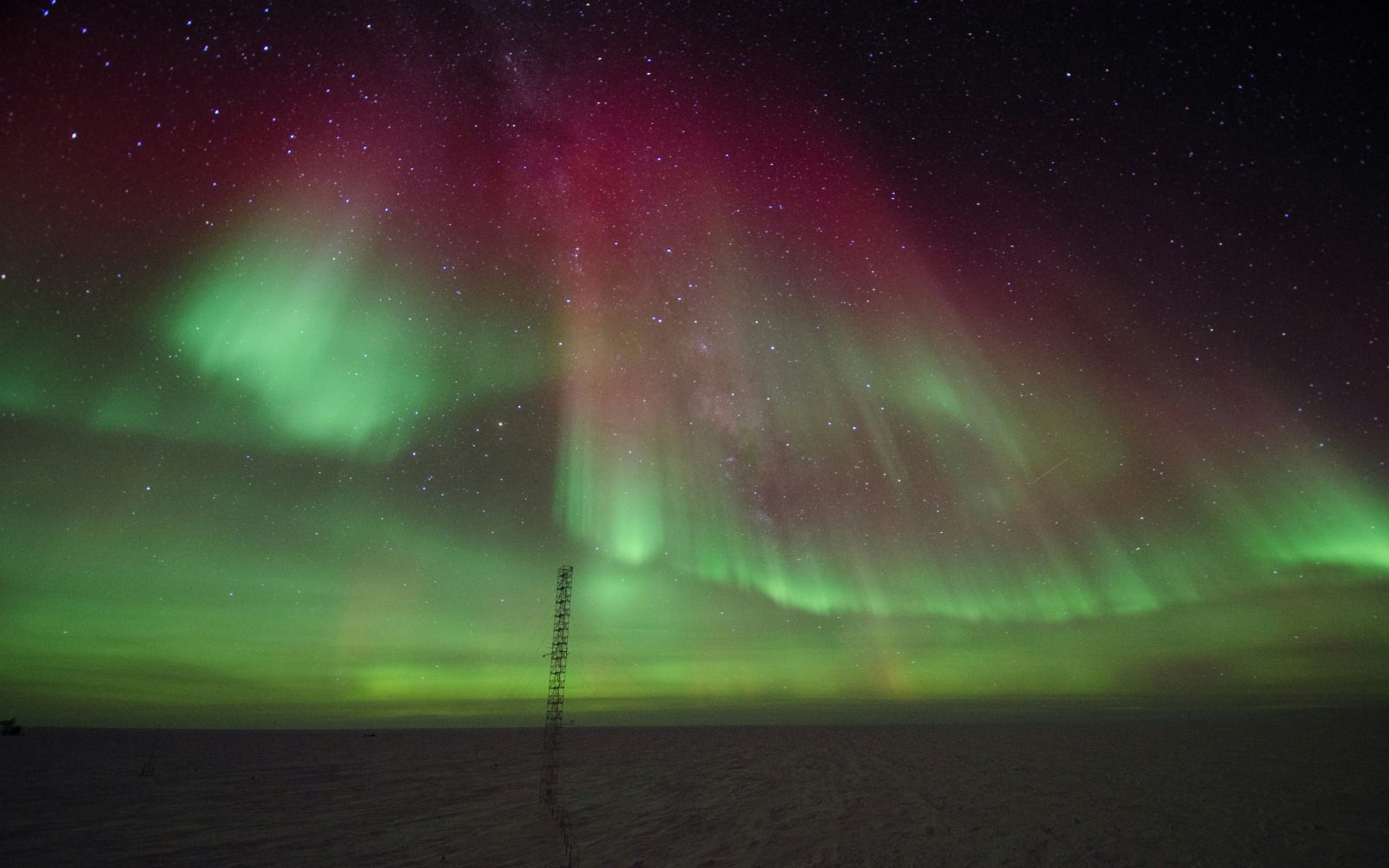
Aurora can appear as faint green, pink or red glows on the southern horizon, sometimes with shimmering curtains of light if you’re lucky. They’re often more vivid through a camera lens than to the naked eye, so bring your phone or camera and use long exposure settings if you can.
Weather-wise, clear skies are forecast for tonight, which removes one major obstacle. Cloud cover kills aurora viewing faster than anything else, so Melbourne’s relatively clear conditions work in your favour.
Why this is happening
We’re currently in the peak of Solar Cycle 25, an 11-year pattern of increased solar activity. That means more frequent geomagnetic storms and more opportunities to see aurora from southern Australia over the next year or two. Tonight’s storm is particularly strong, making it worth the effort even if sightings aren’t guaranteed.
Space weather can be unpredictable, so there’s no promise the Aurora Australis lights will show, but the conditions are about as favourable as they get for Melbourne. If you’re keen, grab a jacket, head somewhere dark, and point your eyes (and camera) south.
For more information, head here.