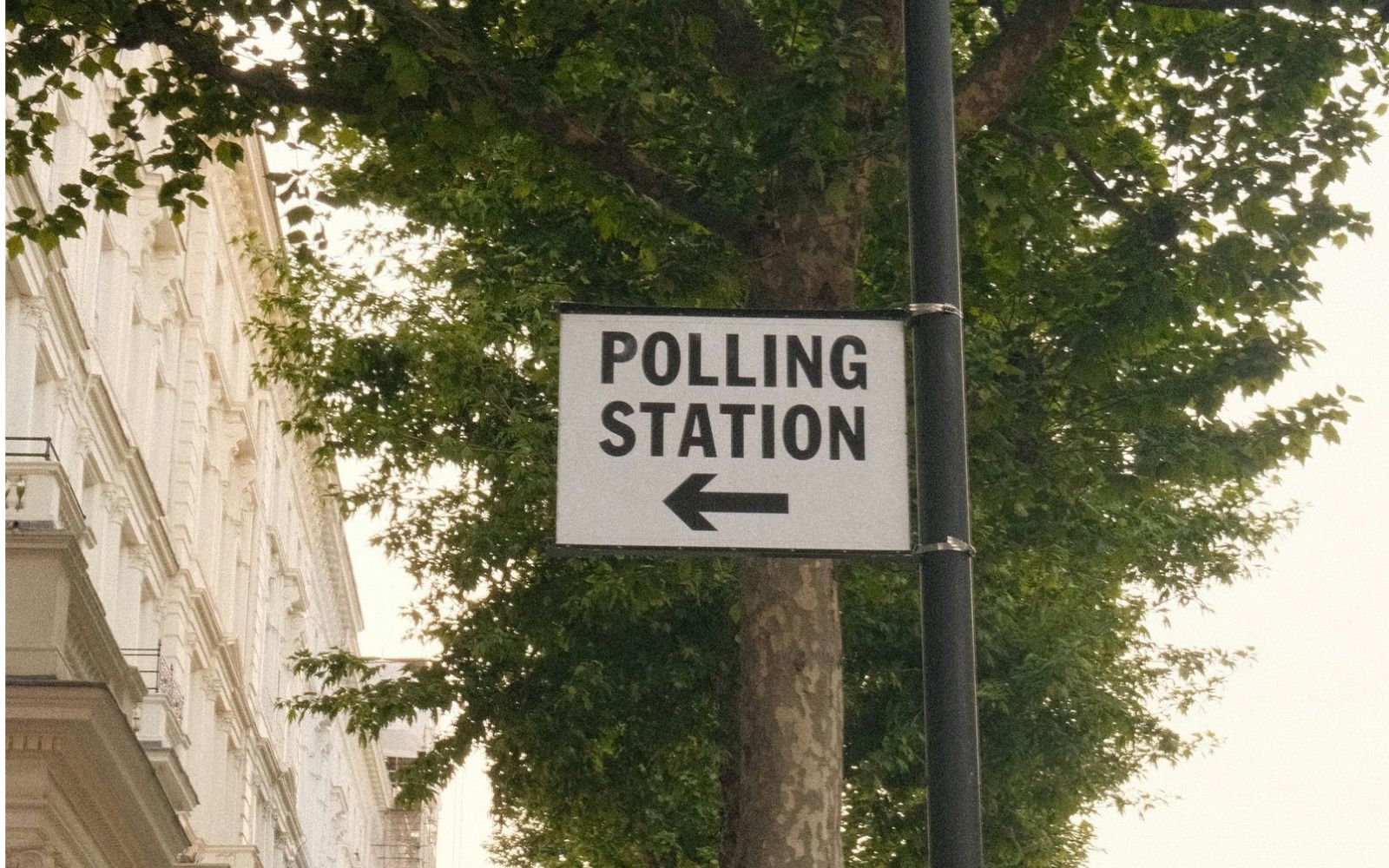
Everything confirmed so far on early voting, postal voting and where to vote early in the Victorian election — updated as the VEC releases more.
Early voting in the Victorian election opens 18 November, with postal voting applications and all the where to vote early locations landing on 4 November.
We’ll all then vote on 28 November, picking all 88 lower house MPs and 40 upper house MPs. The Victorian Electoral Commission has locked in its timeline, and a fair bit has shifted since 2022. We’ve been across the politics of it all year, but this one’s purely practical: when, where, and how.
The headline shift: the early voting window has been compressed. Where previous state elections ran a roughly two-week pre-poll period, 2026 gives you nine actual voting days. If your plan was “I’ll get to it eventually”, that might need a rethink.
Victorian election: key dates at a glance
- 3 November — writs issued at 6pm; electoral roll closes 8pm (Melbourne Cup Day)
- 4 November — candidate nominations open 9am; postal vote applications open 9am; early voting centre locations published
- 9 November — nominations close for all candidates, 12 noon
- 10 November — how-to-vote card registration opens 9am
- 17 November — low-sensory voting sessions, 10am to 4pm
- 18 November — early voting opens; telephone-assisted voting opens
- 20 November — how-to-vote card registration closes, 12 noon
- 25 November — postal vote applications close, 6pm
- 27 November — early voting closes, 6pm
- 28 November — election day, voting centres open 8am to 6pm
Where to vote early in Victoria
View this post on Instagram
Locations drop 4 November. Every district in the state gets at least one centre, with around 200 statewide and roughly 1,700 open on election day itself.
Every early voting centre doubles as an election day centre this time. No more memorising an address only to rock up on the day and find it dark. Find one that works and it works twice.
Expect the usual suspects — school halls, community centres, council buildings, church halls. Once the list is live you’ll be able to search it through the VEC’s venue locator, and if you want to know which district you’re even in, the interactive boundaries map sorts that out now.
We’ll drop the Melbourne metro list straight into this article the moment it publishes. In the meantime, the VEC’s voting options page is where it’ll land first.
How early voting works in 2026
- 18 to 27 November, 9am to 6pm.
Centres shut on 22 November, so that weekend day is gone entirely. Factor it in.
You don’t need an excuse! Victoria has never made you justify voting early, unlike federal elections, and that hasn’t changed. Walk in, get crossed off, fill out two ballots. Out in ten minutes if you’ve timed it right.
Timing is the whole game. VEC research into past voting patterns shows early voting has climbed at every state election since 1999, and squashing the window doesn’t shrink the crowd — it shunts everyone into the back end. The 26th and 27th will be carnage. Go early and save yourself the queue.
Never done it before? Here’s what actually happens at a voting centre, start to finish.
Know your electorate before you go
Victoria splits into 88 districts for the lower house and eight regions for the upper house. You get one ballot for each.
If you’ve moved since 2022, there’s a decent chance you’re voting somewhere different now — and knowing your electorate before you turn up speeds things up at the desk. Check which district and region you’re in, then have a look at who’s actually running once nominations close on 9 November.
All of the above means nothing if you’re not on the roll by 8pm on 3 November.
The roll now closes the same day writs are issued, a full week earlier than Victorians are used to. And it lands on Melbourne Cup Day, which is a world-class way to miss a deadline.
Check your details — takes under a minute. Moved house? Update your enrolment here. Not enrolled at all? Start here. There are also other ways to enrol if your situation’s a bit unusual, and you can sign up for VoterAlert to get nagged by text instead of relying on memory.
Postal voting in the Victorian election
View this post on Instagram
Applications open 9am on 4 November and close 6pm on 25 November. Anyone can apply. No reason required, no eligibility test, no hoops.
Ballot packs only go out once nominations close and candidates are confirmed, so nothing hits letterboxes before 9 November. Already registered as a general postal voter? Yours gets posted after 10 November without you lifting a finger.
That 25 November cut-off is tighter than it looks. Three days for Australia Post to get a pack to you and your completed ballot back. Apply in week one, not week three. Applications run through the VEC’s election hub from the morning of the 4th.
Voting interstate or overseas
Interstate during the voting window? Two options: apply for a postal vote from 4 November, or front up in person at any other state or territory electoral commission head office. Those open 18 to 27 November, weekday business hours only, and they’re shut on election day. Don’t get caught.
Overseas is better covered than you’d expect — 30 cities across 21 countries. Vote in person, or drop off a completed postal ballot. You can also get ballot papers emailed from 4 November, print them and send them back.
Living abroad longer term? You can register as an overseas voter with the AEC if you’re planning to return within six years. And if none of it suits, there’s an Away from Victoria form tied to your enrolment. Keep your travel evidence either way.
Low-sensory voting, phone voting and accessibility
Every district gets a low-sensory session on 17 November, 10am to 4pm. Quieter rooms, more space around the booths, softer lighting where they can manage it, staff trained for non-visible disabilities. Built for neurodivergent voters and anyone who finds a packed hall unbearable.
Phone voting opens 18 November for voters who are blind, have low vision, or need help casting a ballot due to motor impairment. 9am to 6pm through early voting, 8am to 6pm on election day. Braille ballot registrations shut 5pm on 2 November.
Every centre stocks hearing devices, wheelchair-height screens, magnifying sheets, maxi pencils and multilingual info. Mobile voting rolls through aged care homes, community centres and homelessness services too — worth asking your facility directly.
There are also Easy English guides and voting information in other languages if that’s useful to you or someone you know.
What you’re actually filling in
Two ballot papers, two different jobs. The small one is your district. The big one is your region.
Victoria runs preferential voting, so numbering matters and a wrong fill means your vote might not count. If you’re hazy on it, the VEC’s guide to filling out state ballot papers is two minutes well spent.
Voting is compulsory in Victoria, and skipping it comes with a fine. If you genuinely couldn’t vote, you’ll get a notice first with a chance to explain.
Why this election matters for Melbourne’s music scene
View this post on Instagram
Beyond the logistics, there’s a reason Melbourne’s live music community has been paying unusual attention to this one. The Vote Victorian Music platform has spent the year pushing all parties to commit to structural support for the sector, including a legislated music trust and dedicated live music precincts. We’ve been tracking music policy ahead of the state election as commitments land, and the pressure on Melbourne venues and the city’s night-time economy makes this a consequential ballot for anyone who plays, promotes or simply turns up.
Whichever way you lean, the mechanics above are what gets your preference counted.
We’ll keep this one updated
New info gets added as the VEC releases it: early voting addresses from 4 November, candidate lists after 9 November, low-sensory venues, and interstate and overseas locations.
Worth knowing too — the VEC hires up to 25,000 people to run the thing, and registrations for election work are open now. If you’d rather spend the day inside the operation than queuing outside it, there you go.
And if something you’ve read about this election looks dodgy, the VEC has a page on electoral misinformation and a complaints process to match.
For full details on early voting, postal voting and every other way to cast your ballot in the Victorian election, head to the VEC’s voting options page or the 2026 state election hub.