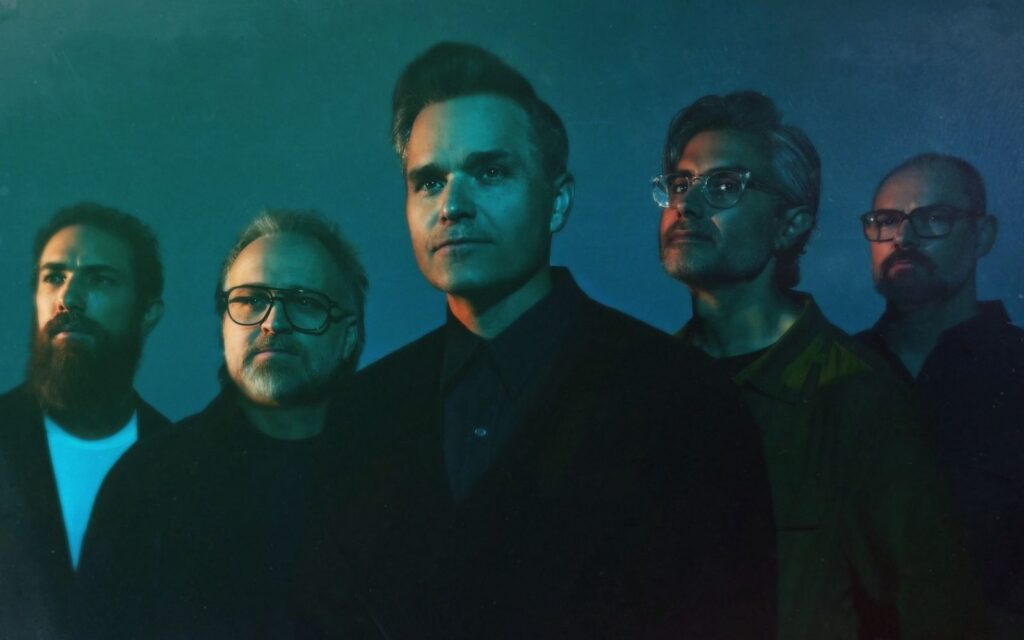
The Australian Art Orchestra premieres Smoke Between Mountains on home soil this July.
Aaron Choulai, composer and Artistic Director of the Australian Art Orchestra, was on tour with the AAO in Osaka when he witnessed the blooming of a beautiful friendship that would become the foundation of his latest composition, Smoke Between Mountains.
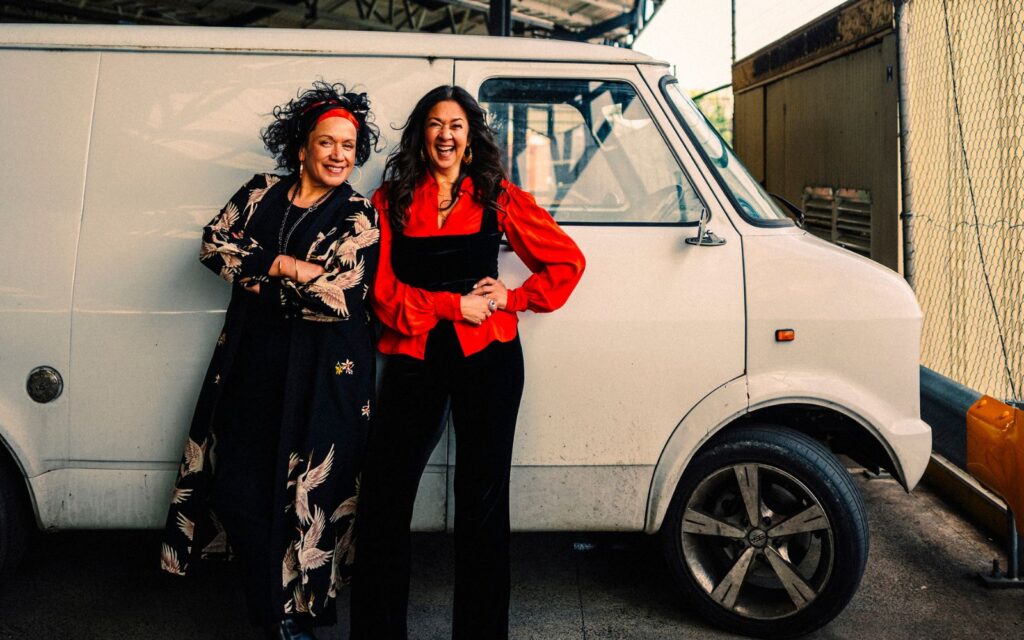
While on the road, Choulai watched musicians Kutcha Edwards and Miyama McQueen-Tokita discover a shared understanding between First Nations Australian and Japanese knowledge systems, and their respective relationships to country.
“The meeting of these two cultures found commonality on their own terms.”
Check out our gig guide, our festival guide, our live music venue guide and our nightclub guide. Follow us on Instagram here.
View this post on Instagram
Choulai had been writing Smoke Between Mountains for several months when, on his first night in Okinawa, a melody entered his head as he drifted to sleep amongst the mountains of Nakijin.
“It wouldn’t leave me alone. The next morning, I woke up and scrapped the whole thing.”
He began writing again from scratch, guided by what he’d heard.
“It reminded me that when you do listen to country and you’re open to the things around you, creativity can happen in a new way.”
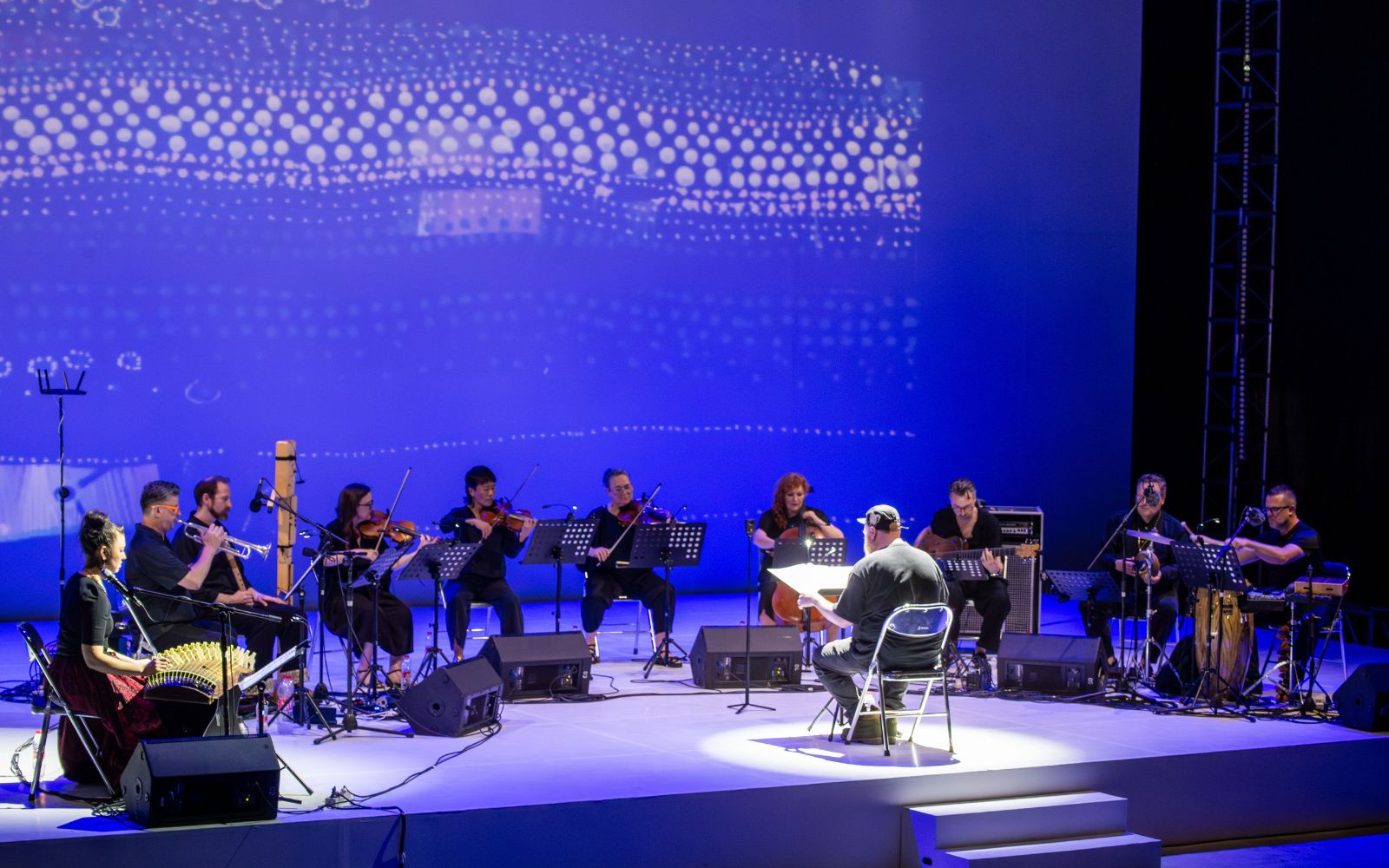
Composed for an ensemble of nine musicians, Smoke Between Mountains traces a dreamlike narrative against an innovative score that plays with the Ghibli sound world.
Drawing on Shinto and Australian First Nations ecological thought, the work tells the story of a girl from a coastal mountain island in southern Japan and a boy from the high plateau of inland Australia, who begin to dream of each other’s worlds.
As the visions grow more vivid, what feels like imagination slowly begins to mirror reality, as the pair try to understand messages from nature ahead of a looming climate catastrophe.
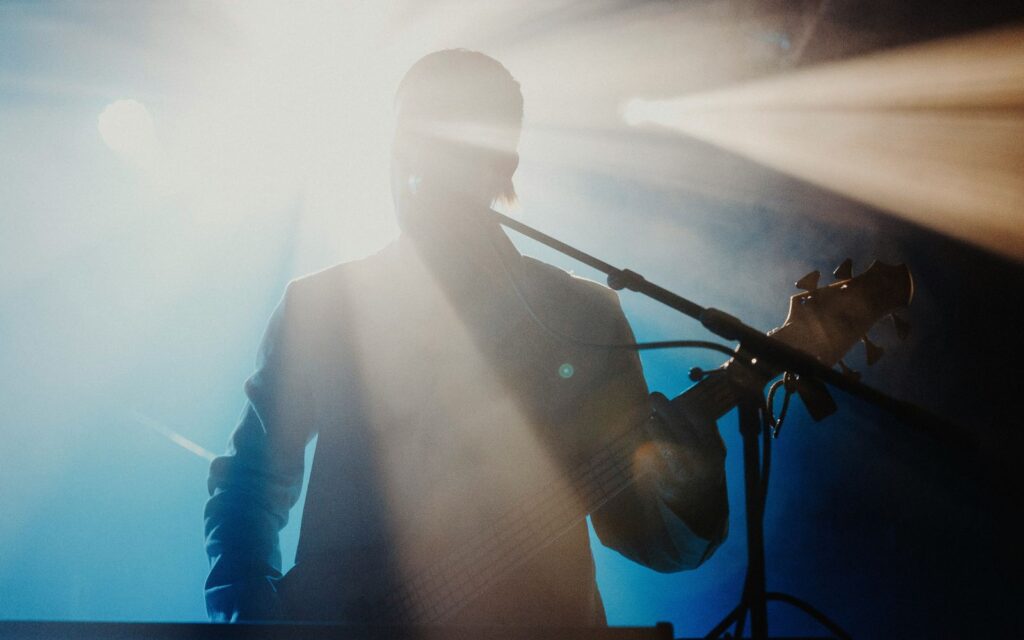
Against a rich visual backdrop of video design by Michael Carmody, the work unfolds through the voice and koto of Miyama McQueen-Tokita and the percussive storytelling of Adam Manning, while Choulai employs his own Sono-Kinetic Conducting system to shape improvised moments of story through sound.
Following the world premiere in Indonesia last month, the AAO is premiering this new work as the feature of Sonic City, a city-wide program returning to Melbourne’s CBD on 8 July.
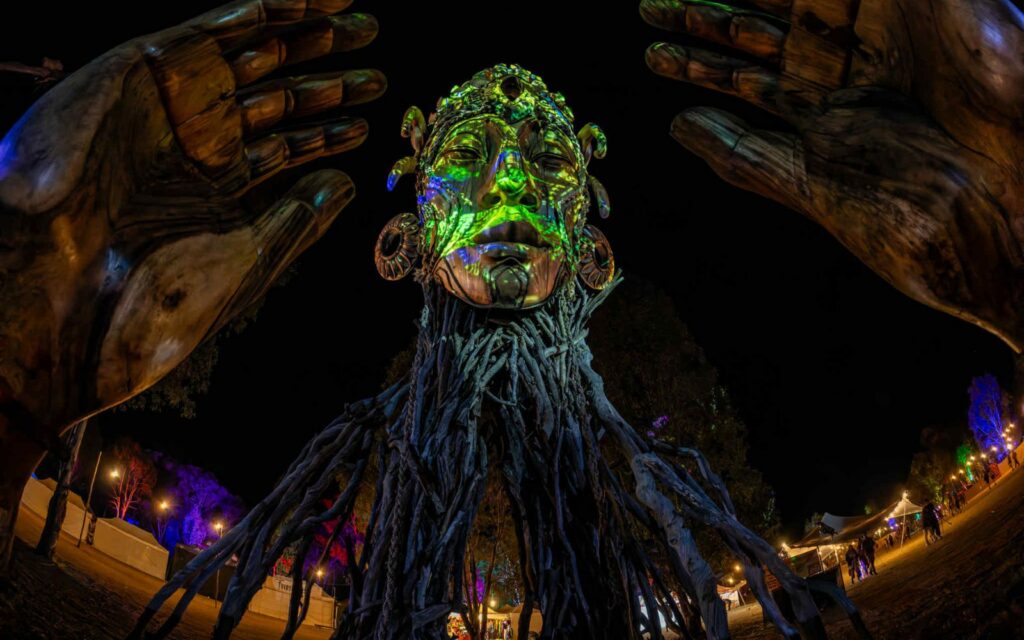
Spanning a series of performances and live experiences across the day and into the night, Sonic City invites audiences to wander between venues and discover the city through sound, movement and shared encounter, bringing together leading local and international artists under a banner of experimentation, collaboration and boundary-pushing performance.
Sonic City invites Melbourne to embrace what Choulai calls “creative music”.
“I use the term as it’s more inclusive of all sorts of music made without market forces in mind.”
“Melbourne is punching above its weight in terms of its size and the level of artistry we have here. It’s an incredibly creative city, it’s a great chance to put a spotlight on all these different musicians that come from an experimental practice. We hope to create more accessibility to creative music by curating the context for performance and making some performances free.
“What makes the Australian Art Orchestra different to a traditional orchestra is that we utilise our musicians individual voices. In most orchestral music you’re mostly hearing two voices – the conductor and the composer. In our music everyone contributes.”
“The process is very collaborative, and the piece is designed for each member to be able to contribute something personal. I know that may sound esoteric, or more abstract, but it is just creating spaces for the musicians to improvise. If you come to see the Art Orchestra, you should be able to identify each individual within the ensemble and the sound they are making.”
Aaron was born and raised in Papua New Guinea, and migrated to Australia at 14. He has worked globally, including creating collaborative works in his home village, Tatana, in Papua New Guinea.
The AAO have also just returned from Indonesia, where they collaborated with traditional dancers.
“We create intercultural works to reflect the diversity of artists and artistic practice in Australia, but also to connect to a wider array of audiences and especially for those new to experimental and creative music.”
That intercultural exchange is at the heart of Smoke Between Mountains itself.
The narrative of Smoke Between Mountains tells the story of a message nature sends ahead of a looming climate crisis which is scored and underpinned by experimental music that explores a Ghibli-like sound world. The narration is enhanced by video design created by Michael Carmody.
“Creative music can be challenging for new listeners, but that’s not a bad thing. As individuals, our stories are complex, particularly in Australia. With each generation our personal stories get more and more sophisticated, and sometimes you need new languages to describe these complexities.”
“That’s what we do. We invent new ways of making things, to be better able to articulate who we are today.
If you’re not used to hearing complex language, then it can feel a little alienating, and so we try to create other pathways of connectivity, whether that be accompanying video, a vocal narrative to follow, or just curating the environment.”
Catch Smoke Between Mountains at Sonic City on 8 July.
This article was made in partnership with Australia Arts Orchestra.