In a rare morning off between tour dates, Derya Yıldırım is juggling more than most.
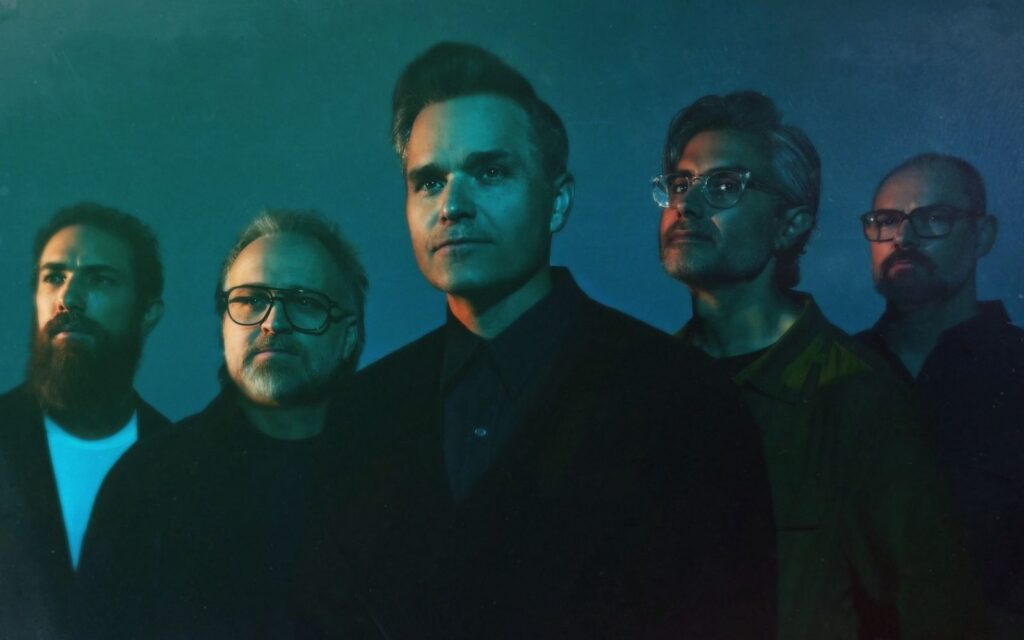
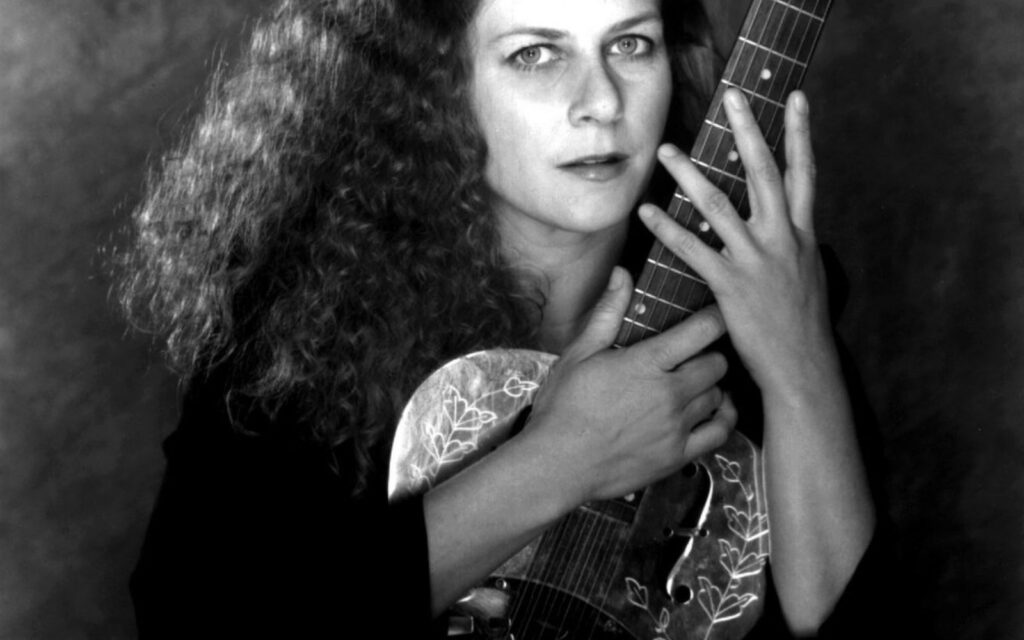
The Berlin-based bağlama virtuoso, frontwoman and lecturer, Derya Yıldırım, calls in from Germany, where a ‘day off’ still means teaching at the Popakademie in Mannheim, answering interview questions and preparing for the next show alongside her band, Grup Şimşek.
“I have so many things to do,” she laughs. “But it’s good. I like it.”
Yıldırım has long existed in multiple musical worlds at once. While most know her as the magnetic force behind her band, she’s also a solo performer and a lecturer, teaching bağlama (the long-necked Anatolian lute also known as the saz) in a German conservatory setting. Not long ago, she became the only student to complete a full university degree majoring in the instrument at the Berlin University of the Arts.
“It’s a long, long fight, you know, they’ve been trying to do this for 15 years,” she says of the department’s creation.
“I got a phone call that I should just come and study there now, while I was studying […] classical piano in Hamburg. I left everything in Hamburg and moved to Berlin.”
Derya Yıldırım – Ritual and Rebellion
- When: 11 March
- Where: Melbourne Recital Centre
- Tickets: here
Check out our gig guide, our festival guide, our live music venue guide and our nightclub guide. Follow us on Instagram here.
View this post on Instagram
While she’s quick to point out she wasn’t the first person to ever study bağlama, with programs existing in Rotterdam, Mannheim and Cologne, formalising the instrument within a major German arts university felt seismic.
“When you want to institutionalise an instrument, you can also change something in the society,” she says.
“The bağlama has to be actually a concert instrument or something that also can stay on its own. I’m part of a whole puzzle that so many people try to make this instrument visible in different places, like in Turkey, in Istanbul, Ankara, and in Germany.”
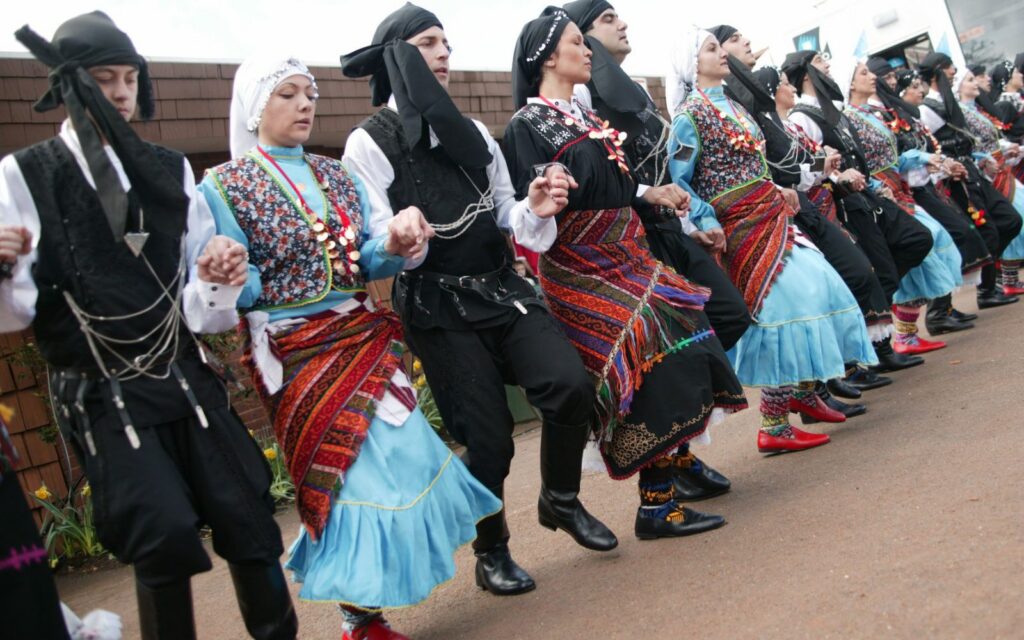
That recognition is deeply political. Germany is home to one of the largest Turkish diasporas in Europe, yet Turkish and Kurdish musical histories, including the millions of records produced in cities like Cologne and Munich from the ’60s through to the ’80s, have often been sidelined in official narratives.
“It’s part of Germany,” Yıldırım says firmly. “There’s so many Turkish people living there [who] shape the music industry, which was always like until now just ignored. So it’s very important to be a voice of my generation right now.”
Still, shifting conservatory culture doesn’t happen overnight. “I think it’s going to be a long way to make this instrument a ‘normal’ one or accepted by the Western society. But if we have more students, especially human beings who grew up in Germany with this culture, we could actually change something if we have more and more people doing that. And we need time for that.”
Community pulses through her recorded work, too. It’s been almost a year since the release of Yarın Yoksa (If There Is No Tomorrow), a record that saw Yıldırım and her band expand their psychedelic Anatolian folk palette with cinematic strings and rich, soulful production. The album was shaped in collaboration with American producer and musician Leon Michels – a partnership she still describes with reverence.
“It was so smooth and very inspiring,” she says. “Sometimes [you can] reach your own limits, because you don’t know this person yet. But [we had] a gut feeling of trust, we really trusted the process [with Michels]. It’s very mutual.”
“He always kept saying, ‘I’m learning from you, I’m learning from you’. This made me somehow really comfortable and respected also in my position as a bağlama player. My songs are always rooted in an Anatolian way, in my identity.”
The record’s release show in the cavernous Grand Hall of Hamburg’s Elbphilharmonie remains a career high. “Being there with the string orchestra and playing these songs to thousands of people, it was really something I will not forget,” she says. “It was insane.”
And yet, for Yıldırım, stepping onto stages like these isn’t about assimilation into the Western canon.
“I think it’s wonderful to have different genres and music styles in concert halls. We are claiming these places. The world will be better if we do that. I want to bring this music to big stages because it’s actually possible and they deserve us.”
She describes performing in major halls as a political act: not just for Turkish and Kurdish audiences, but for anyone navigating questions of belonging. “It’s such a universal thing that this band is carrying,” she says. “Especially our generation, who sometimes don’t know where they belong. You can find your home in sound, in melodies.”
That universality is something she witnesses at every show. Even when audiences don’t understand the lyrics, there’s an emotional recognition. “I’m opening my whole heart on stage,” she says. “I’m just who I am, with my voice and my bağlama. The instrument carries some kind of magic. Maybe it’s a form of resistance, a form of humanity. I think you can hear it.”
Her recent work scoring the documentary Die Möllner Briefe pushed that openness into a sobering emotional terrain. The film centres on a family affected by a racist arson attack in Germany in the early ’90s, and composing the soundtrack meant confronting grief and systemic violence head-on.
“It was very different from anything I’ve done,” she says. “It was a very hard process for someone who’s also a victim of racism on a daily basis, like myself. I had so many sad moments in the studio, which I usually don’t have when I do music.”
Still, whether she’s collaborating with producers, string arrangers or students, Yıldırım treats each project as its own “bubble” – an exchange rather than a solo mission. “It’s never being alone,” she says. “I love finding myself in other people’s work.”
As for the next generation of Anatolian artists and bağlama players? Her advice is simple. “Keep doing what you do. Preserve this culture. We need our heritage to make this life livable, to resist together, to build communities.”
On stage, in the classroom or in the studio, Derya Yıldırım is doing exactly that, one shimmering, defiant note at a time.
They’ll be joined by Asmâa Hamzaoui & Bnat Timbouktou for an electrifying double-bill; a back-to-back journey through ritual and rebellion that honours sacred traditions while fearlessly challenging the status quo.
Catch Derya Yıldırım & Grup Şimşek at Golden Plains (March 7-9) and at Melbourne Recital Centre on March 11.
This article was made in partnership with Melbourne Recital Centre.