St Kilda Festival celebrates 45 editions of foreshore music while First Peoples First marks its 20th anniversary
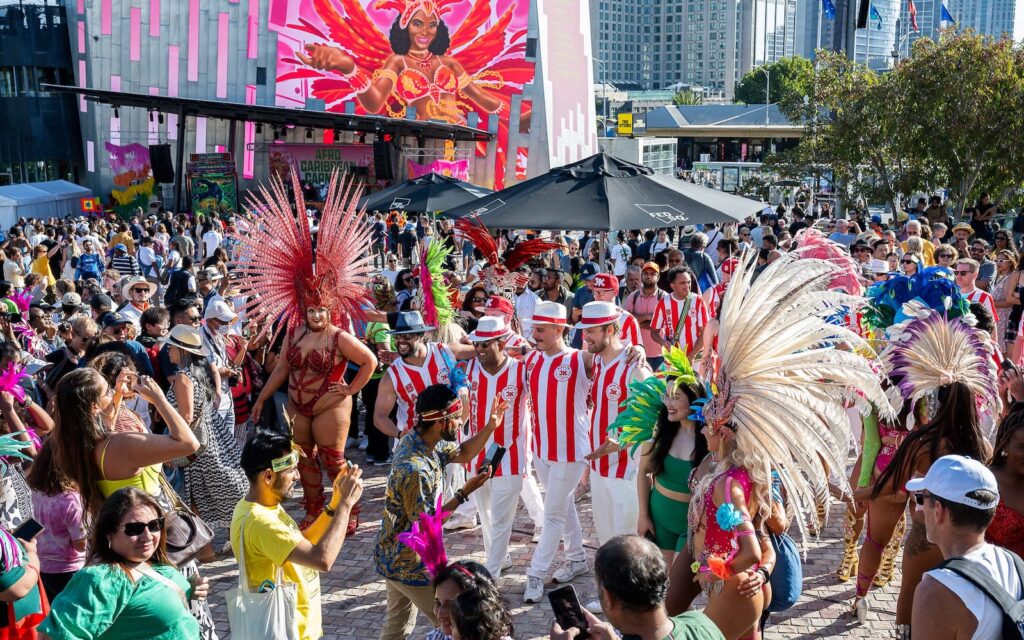
A small community gathering in March 1980 has grown into something genuinely remarkable. St Kilda Festival enters its 45th edition in 2026 as Australia’s largest and longest-running free music festival, expecting 350,000 people across a two-day program that spans ARIA legends, emerging talent and two decades of dedicated First Nations programming.
St Kilda Festival 2026
- St Kilda Foreshore
- 14-15 February
- Free entry
Stay up to date with what’s happening in and around Melbourne here.
Where it all began
The festival began as an attempt to shift perceptions of a suburb that had suffered from unfair and disparaging media coverage throughout the 1960s and 70s. Former St Kilda resident and councillor Mary Lou Jelbart believed a celebration of the actors, writers and creative people living in the area could change those narratives. The first festival, coinciding with St Kilda’s 125th anniversary as a city, welcomed around 5,000 people.
That inaugural event featured Frank Thring film revivals at the Palais, ice-skating at St Moritz, artist Mirka Mora drawing murals for children to colour in, and Devonshire teas served under trees at Christ Church on Acland Street. There was live music too, with an outdoor stage run by the Espy Hotel hosting a young band called Flowers, who would later rename themselves Icehouse. It’s a piece of history the festival has since embraced wholeheartedly, bringing Icehouse back for the 40th anniversary in 2020 to perform the full Flowers album. But back in 1980, music wasn’t yet the central focus it would become. That shift came later, as the suburb’s reputation transformed from seedy to desirable and its live music scene flourished.
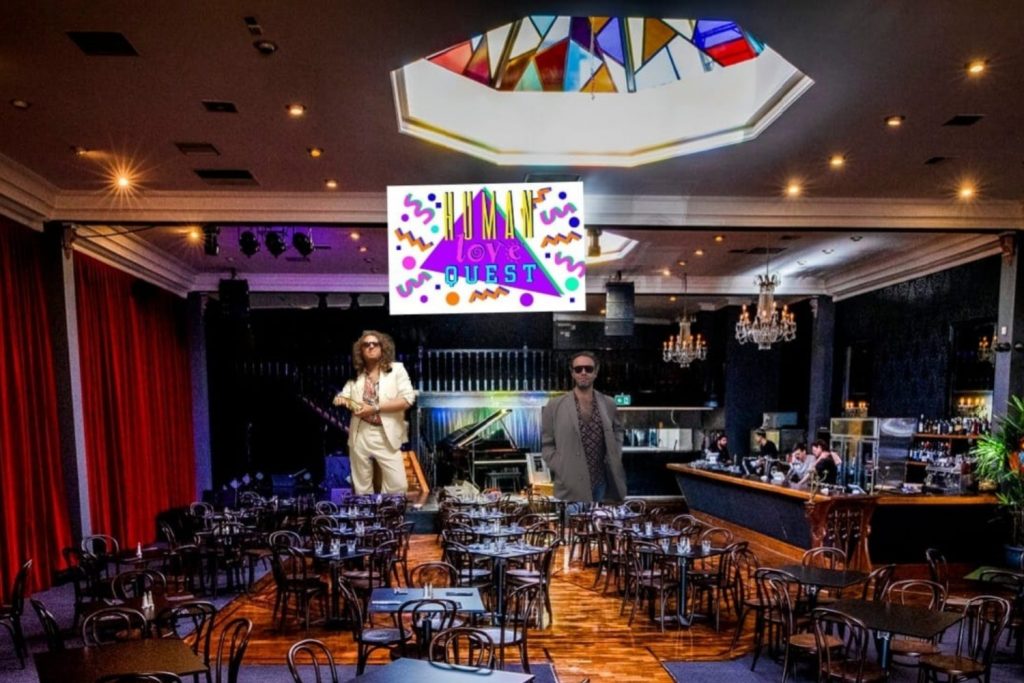
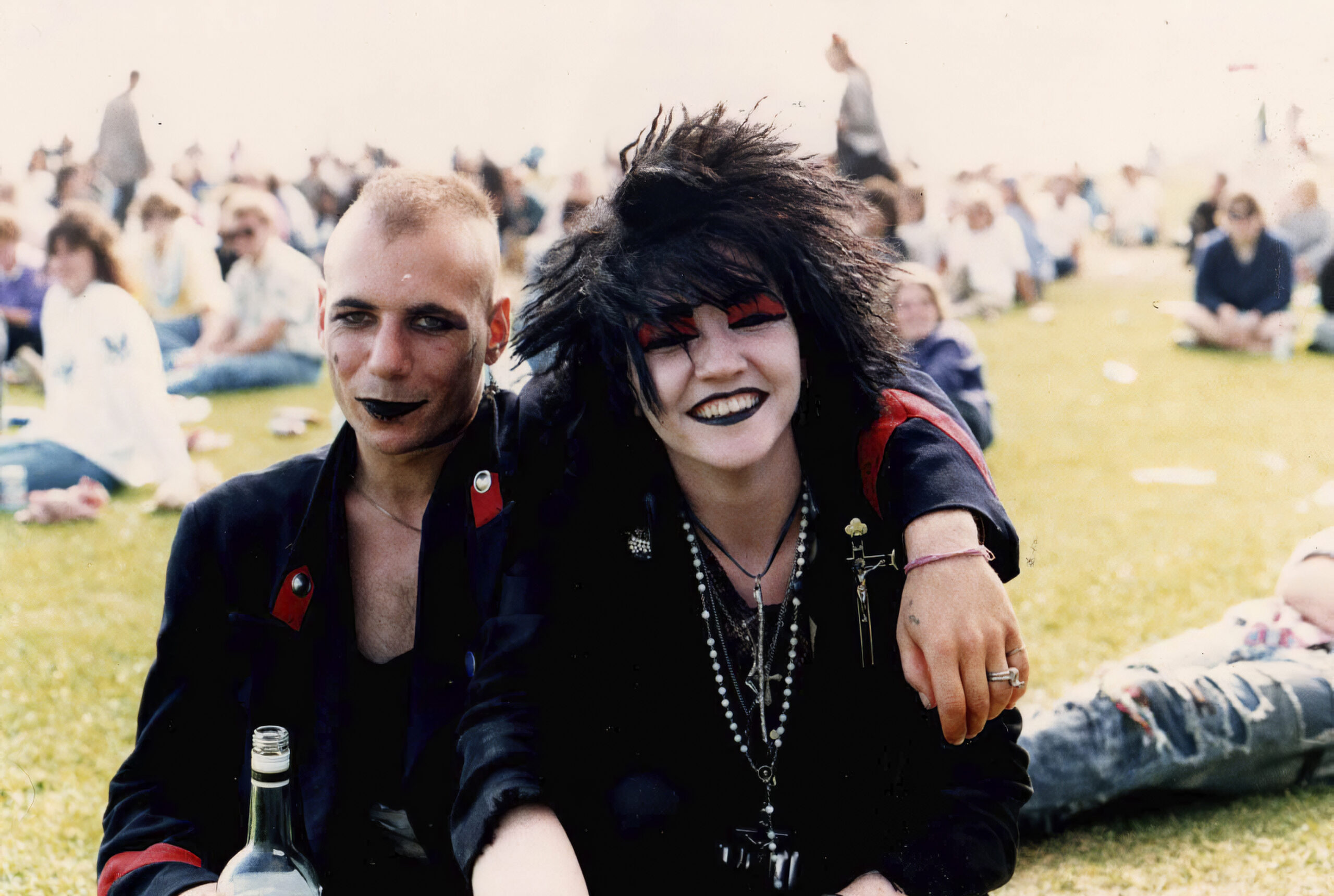
Through the 1980s and 90s, St Kilda hit its live music peak. The Crystal Ballroom hosted Nick Cave and the Birthday Party, while the Little Band Scene gave rise to groups that would become Hunters and Collectors and Boom Crash Opera. The suburb became a fitting home for punks and creatives seeking affordable rent. By the time property prices rose and the area gentrified, St Kilda Festival had established itself as the largest free music event in the country.
The milestone two-day format
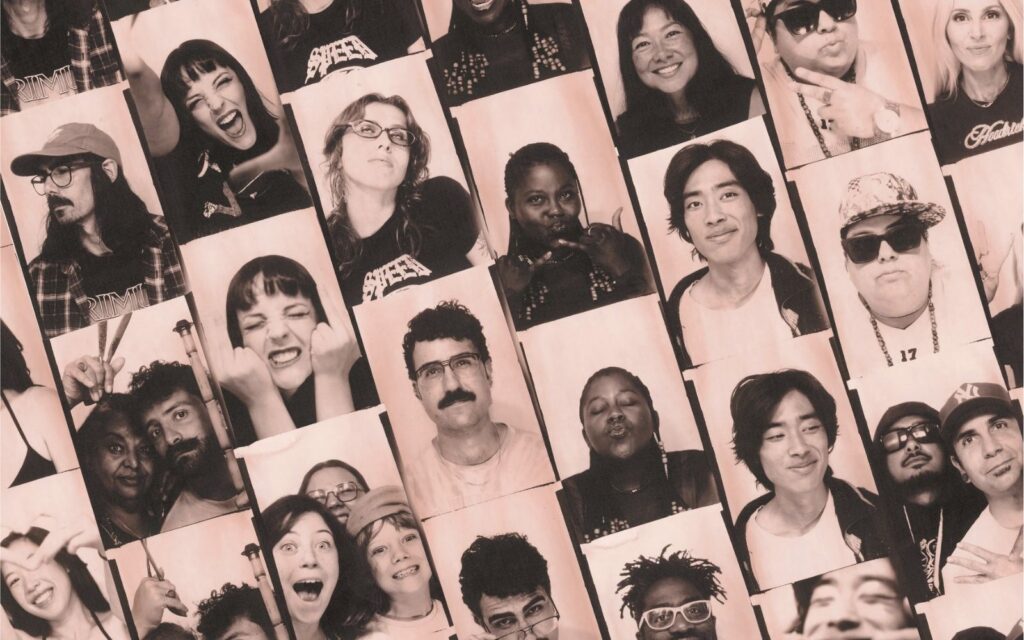
The 2023 edition introduced the current two-day format, attracting more than 375,000 people across the weekend. Saturday became dedicated to First Peoples First, the Indigenous programming arm that celebrates its 20th edition in 2026. Sunday remained the traditional Big Festival Sunday, featuring multiple stages and more than 100 acts.
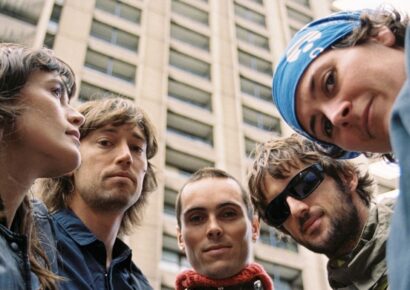
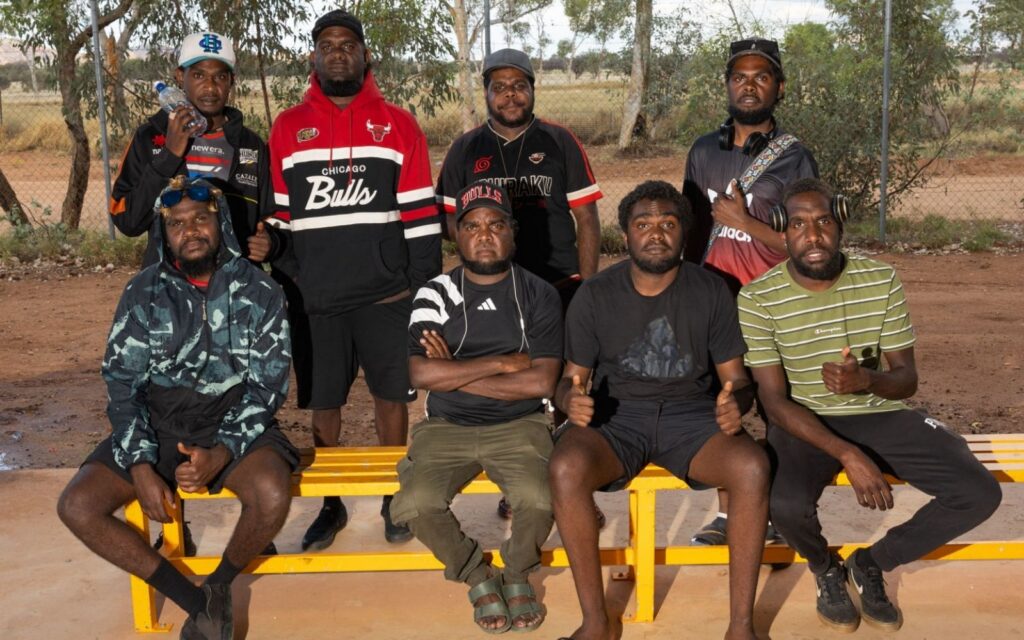
First Peoples First launched in 2006 to provide a dedicated platform for established and emerging First Nations artists. The late Uncle Archie Roach played St Kilda Festival 13 times, more than any other artist in the event’s history. The 2026 anniversary lineup features BARKAA, who became the first Aboriginal woman to win Best Hip Hop/Rap Release at the ARIA Awards, and Selve, whose Breaking Into Heaven album became the first full-length record by an Aboriginal artist recorded at Abbey Road Studios.
The programming reflects how significantly the festival has evolved from its community-gathering origins. What started as neighbourhood street parties now operates across multiple stages, featuring everyone from Mental As Anything, making their first St Kilda Festival appearance in 25 years, to New Music Competition finalists hoping to follow in the footsteps of Missy Higgins, Baker Boy and Client Liaison.
The groundbreaking New Music Competition
The New Music Competition has been identifying breakthrough talent since 2007. Baker Boy won in 2018 and has since performed at the AFL Grand Final, won Artist of the Year at the National Indigenous Music Awards and collaborated with Bernard Fanning, G Flip and Powderfinger. The competition receives hundreds of entries annually, with finalists playing 30-minute sets before an audience vote determines the winner.
The festival’s economic impact has grown alongside its cultural significance. The 2025 edition generated more than $40 million for Victoria, transforming the beachside suburb into a destination that draws visitors from across the country.
St Kilda has changed considerably since 1980. The Crystal Ballroom closed in 1987 after neighbours complained. Property prices pushed out the creatives who originally made the area interesting. But the festival has endured, adapting to each era while maintaining its core identity as a free, all-ages celebration of Australian music.
The 2026 program brings together 45 editions of festival history and 20 years of First Nations programming. From the 5,000 locals who attended that first celebration in 1980 to the 350,000 expected this February, St Kilda Festival remains what it has always been: a party that belongs to everyone.
For more information, head here.
This article was made in partnership with St Kilda Festival.